Manufacturing COOs and CFOs face a specific frustration: the gap between the slick AI demos seen at industry conferences and the fragmented data inside their own ERP and MES systems. Using an AI readiness checklist manufacturing leaders can trust is the difference between capturing margin and funding a science project that never leaves the laboratory. This guide outlines how to audit your technical debt, human capital, and operational data to ensure your first AI implementation delivers a measurable impact on EBITDA rather than just adding another layer of complexity to your tech stack. What is AI Readiness in Manufacturing? AI Readiness in Manufacturing is the objective assessment of an organization’s data maturity, workforce capability, and operational processes to determine if an AI solution will provide a measurable return on investment. It evaluates whether current systems can support industrial AI implementation without requiring a total infrastructure overhaul. Achieving this readiness ensures that AI tools translate directly into improved OTIF (On-Time, In-Full) rates and reduced margin leakage. The High Cost of Premature AI: Why Most Manufacturing Pilots Stall Most industrial AI projects fail not because the algorithms are flawed, but because the operational foundation is brittle. COOs often invest in expensive predictive maintenance or demand forecasting tools only to realize their shop-floor data is too noisy for the model to learn. This leads to "pilot purgatory," where a company spends six figures on a proof-of-concept that cannot scale across multiple plants.
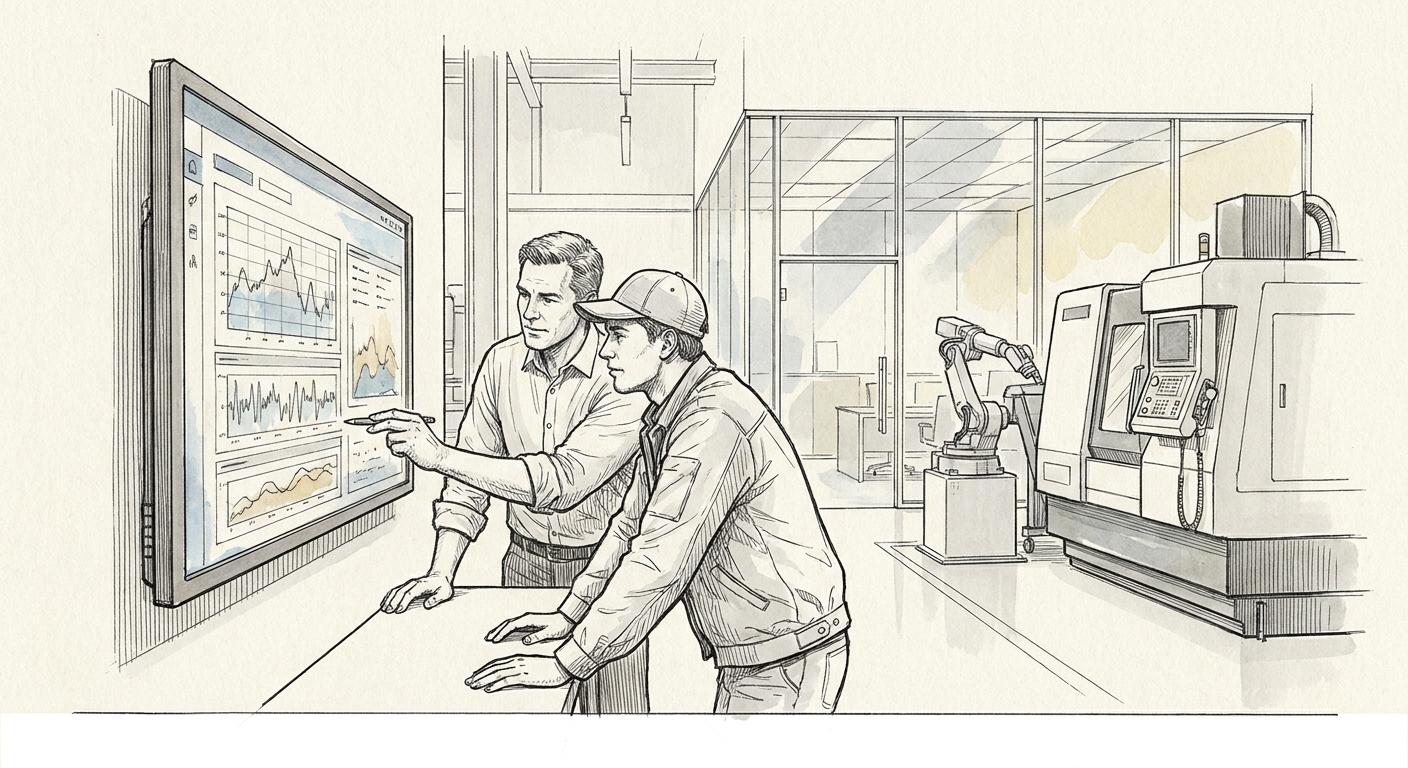
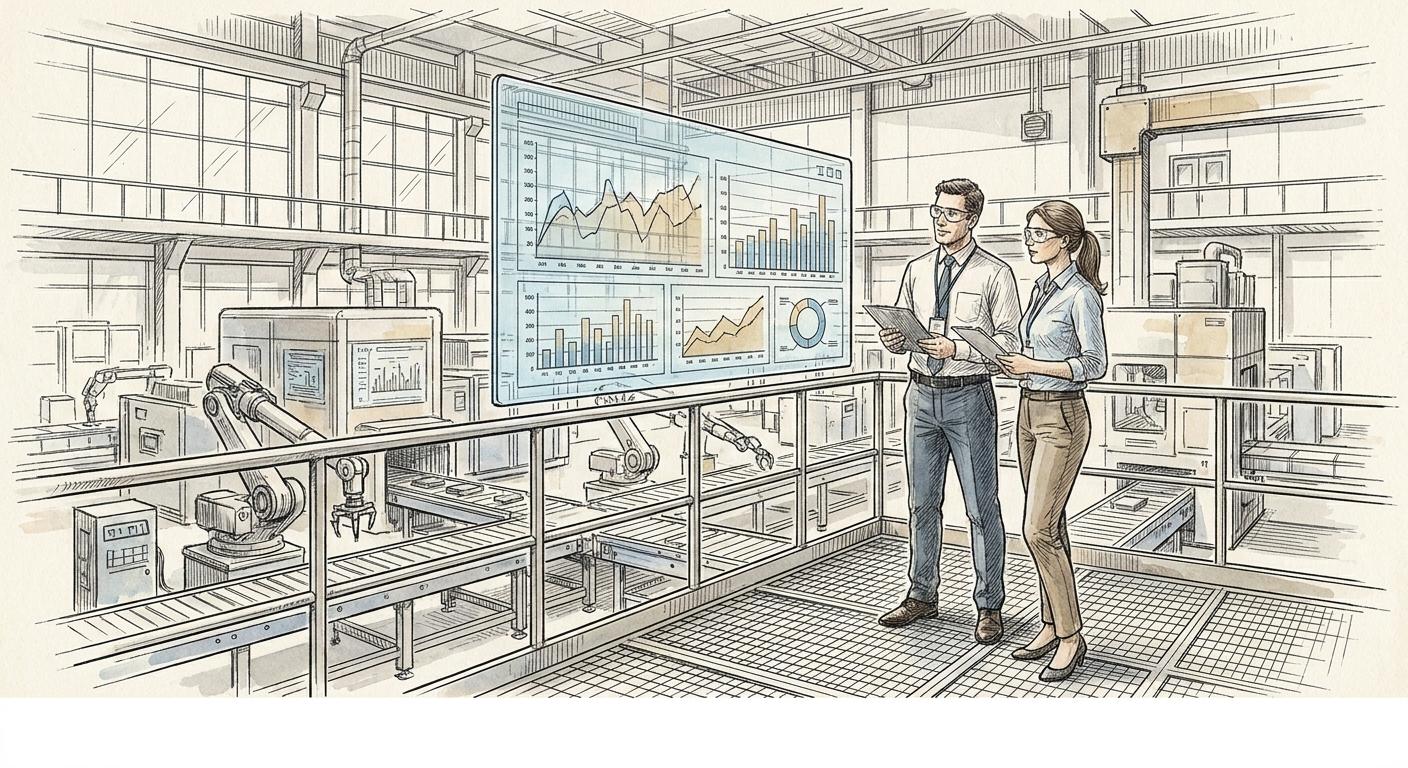
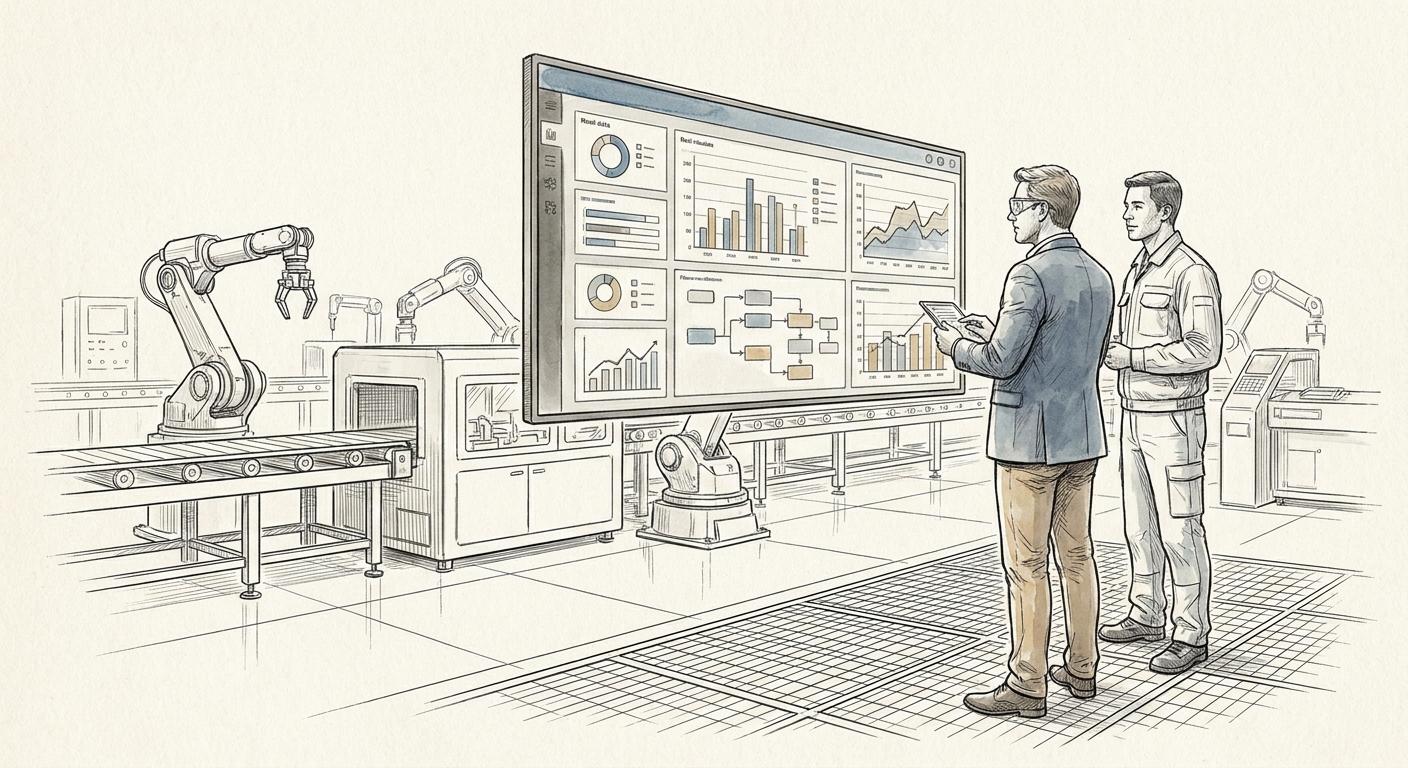
The goal for any manufacturing executive guide to AI adoption should be avoiding the "shiny object" trap. When AI is deployed before a plant is ready, the result is usually a lack of trust from plant managers and a CFO skeptical of further digital spend. Focusing on operational efficiency AI requires a clear view of the estimate-vs-actual gaps in your daily production runs before you ever write a line of code. Phase 1: Data Infrastructure – Moving from Silos to Insights The primary hurdle for AI ROI in manufacturing operations is manufacturing data infrastructure. You do not need a perfect data lake to begin, but you do need "clean slices" of data. Start by assessing your ERP-MES connectivity. If your production data lives in isolated spreadsheets or manual logs, an AI model will struggle to find a reliable signal.
A practical readiness audit asks: Are your sensors capturing data at a high enough frequency to catch quality deviations? Is your job costing data accurate enough to train an optimization model? At iForAI, we have seen that a 56% average increase in AI readiness often starts with simply unifying these data streams. You must validate that your "delayed execution truth" - the gap between what the system says happened and what actually happened on the floor - is minimized. Phase 2: The Talent & Culture Gap – Beyond the 'Head of AI' Myth One of the most common mistakes is the "solo savior" hire. Bringing in a single "Head of AI" without supporting them with a cross-functional team usually leads to high-turnover and zero production-grade tools. True readiness involves closing the manufacturing talent gap AI creates. This means upskilling the people already on your floor - the plant managers and engineers who understand the nuances of the machinery.
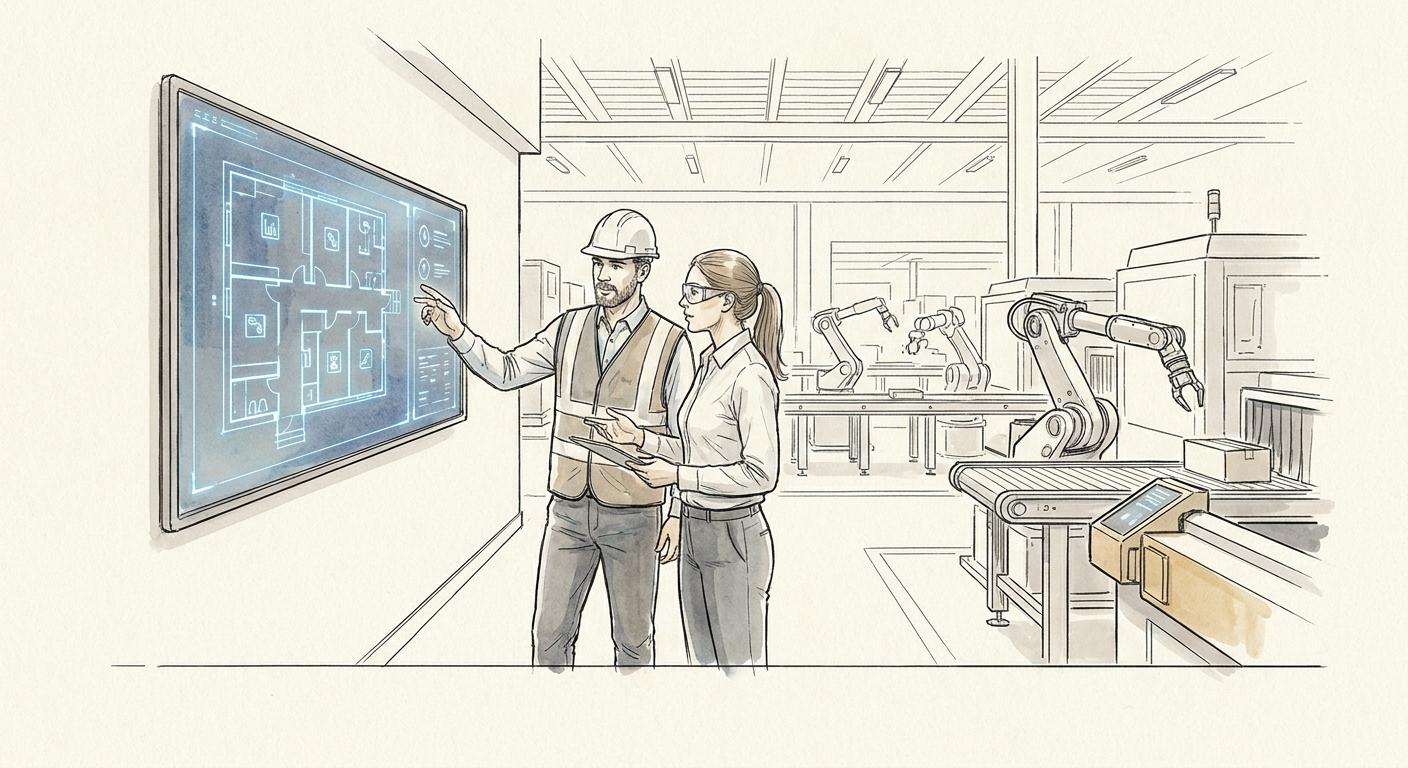
Upskilling is what turns purchased tools like Microsoft Copilot or specialized MES add-ons into actual ROI. Without shop-floor buy-in, the most advanced enterprise AI will be ignored in favor of the old way of doing things. iForAI has successfully trained over 1,500 employees, ensuring that the people responsible for EBITDA improvement actually know how to use the tools provided. Phase 3: Governance & Internal Guardrails – Managing Risk for the CFO Enterprise AI governance is often the last thing on a COO’s mind, but it is the first thing a CFO or Private Equity partner will ask about during a due diligence process. If you are building models that touch proprietary manufacturing processes or customer pricing, you must have clear guardrails around intellectual property protection and data security.
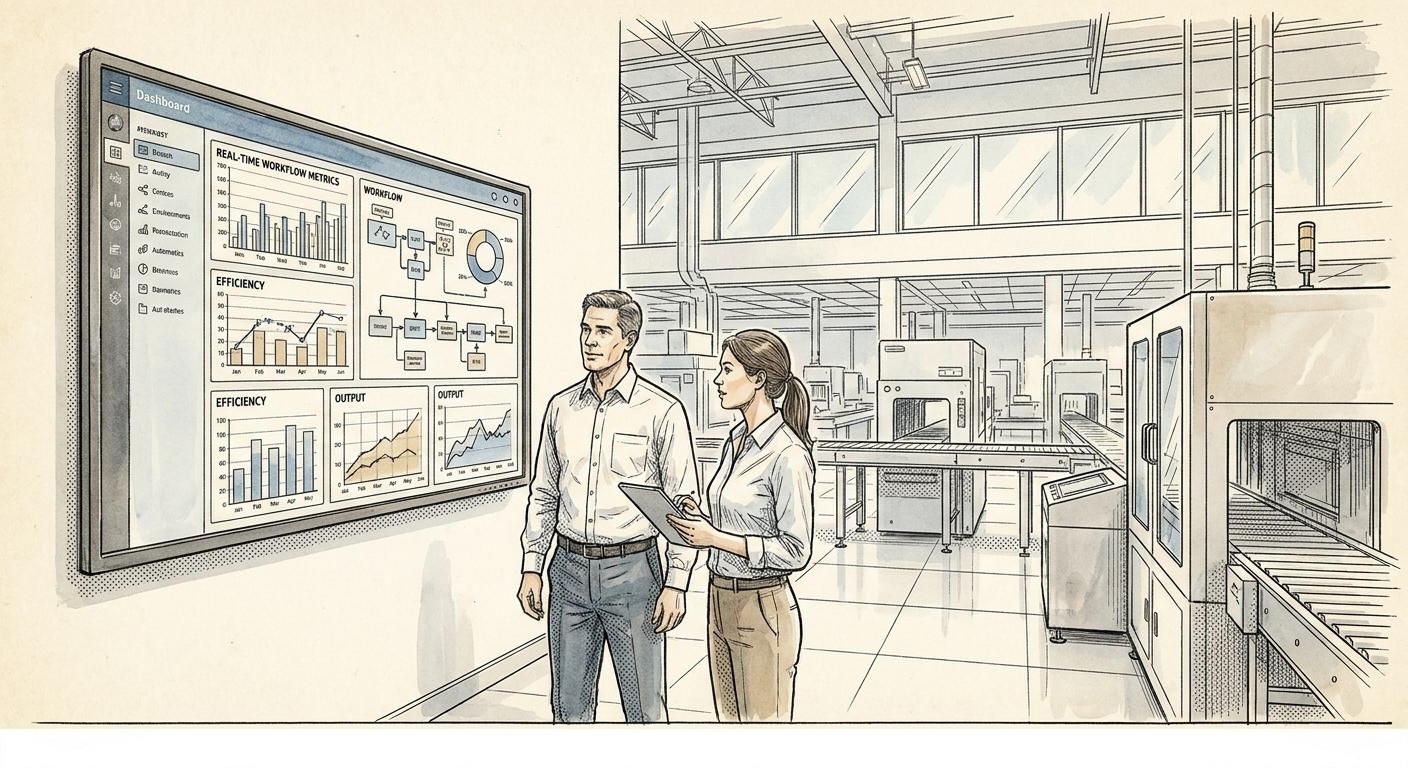
Define clear ROI metrics by the 90-day mark. If an AI tool cannot show a reduction in manual customer service effort or a faster validation time for supply chain payments within its first quarter, it is likely not calibrated to your business needs (for example, we have reduced payment validation time from 3 minutes to 20 seconds for clients). Proper governance ensures that AI remains an operating wedge that increases operating leverage, rather than a liability that compromises trade secrets. The iForAI 8-Week Implementation: How We Move from Checklist to Production Closing the readiness gap does not have to take eighteen months. The iForAI approach centers on the AI Starter Package, an 8-12 week sprint designed to get one high-value use case live in production. We don't just provide a strategy; we provide the Strategy, Execution, and Upskilling needed to move from a checklist to a functional tool that impacts the bottom line.
By entering through a PE firm and expanding across the portfolio, or working directly with a single manufacturer, we provide the strength of 35+ specialists for the cost of a single hire. This model focuses on time-to-value, ensuring that you see measurable results in 60-90 days, moving you closer to exit readiness or long-term operational excellence. Manufacturing AI FAQ Does my manufacturing plant need a data lake before starting AI? No, you do not need a multi-year infrastructure overhaul. The most effective approach is to identify a high-value specific use case, clean only the necessary slice of data, and prove value in 60-90 days before scaling.
What is the biggest barrier to AI adoption in manufacturing? The primary hurdle is rarely the technology itself; it is typically "dark data" and a lack of internal upskilling. Without training staff to use the tools, the technology becomes shelf-ware that fails to drive EBITDA.
How do we measure if a manufacturing AI project was successful? Success should be measured by tangible operational improvements such as reduced OTIF misses, narrowed estimate-vs-actual gaps, or a significant decrease in manual manual effort within back-office operations.
How does AI readiness impact a company's exit multiple? A company with an embedded AI playbook and a proven history of using AI for margin improvement is seen as more scalable and data-mature. This can lead to a higher multiple by demonstrating repeatable value creation levers to potential buyers.
Assessing your readiness is the first step toward reclaiming margin and eliminating operational bottlenecks. By focusing on data hygiene, talent upskilling, and practical governance, you can move from AI pilots to production-grade results.
Book a Manufacturing Diagnostic at ifor.ai/solutions/manufacturing