

.svg)

Most manufacturing acquisitions suffer from margin leakage hidden within fragmented data systems and inconsistent shop floor processes. Conducting an effective AI due diligence manufacturing assessment reveals whether a target company is an operational laggard or a scalable platform for EBITDA improvement. This guide outlines how Operating Partners can move past vendor-supplied marketing and identify the actual operating wedge that drives rapid value creation.
AI Maturity in Manufacturing is the measure of a production facility's data connectivity, algorithmic infrastructure, and cultural readiness to adopt automated decision-making. High maturity suggests the ability to leverage embedded AI to improve OTIF rates and reduce scrap, directly widening the spread between revenue and operating costs. Beyond the Hype: Why Standard Tech Diligence Fails for AI Standard technical due diligence often treats software as a line-item expense or a checkbox for "modernity." In a manufacturing context, this is a mistake. Traditional IT diligence focuses on cybersecurity, uptime, and licensing, but it misses the delayed execution truth - the gap between having data and being able to act on it.
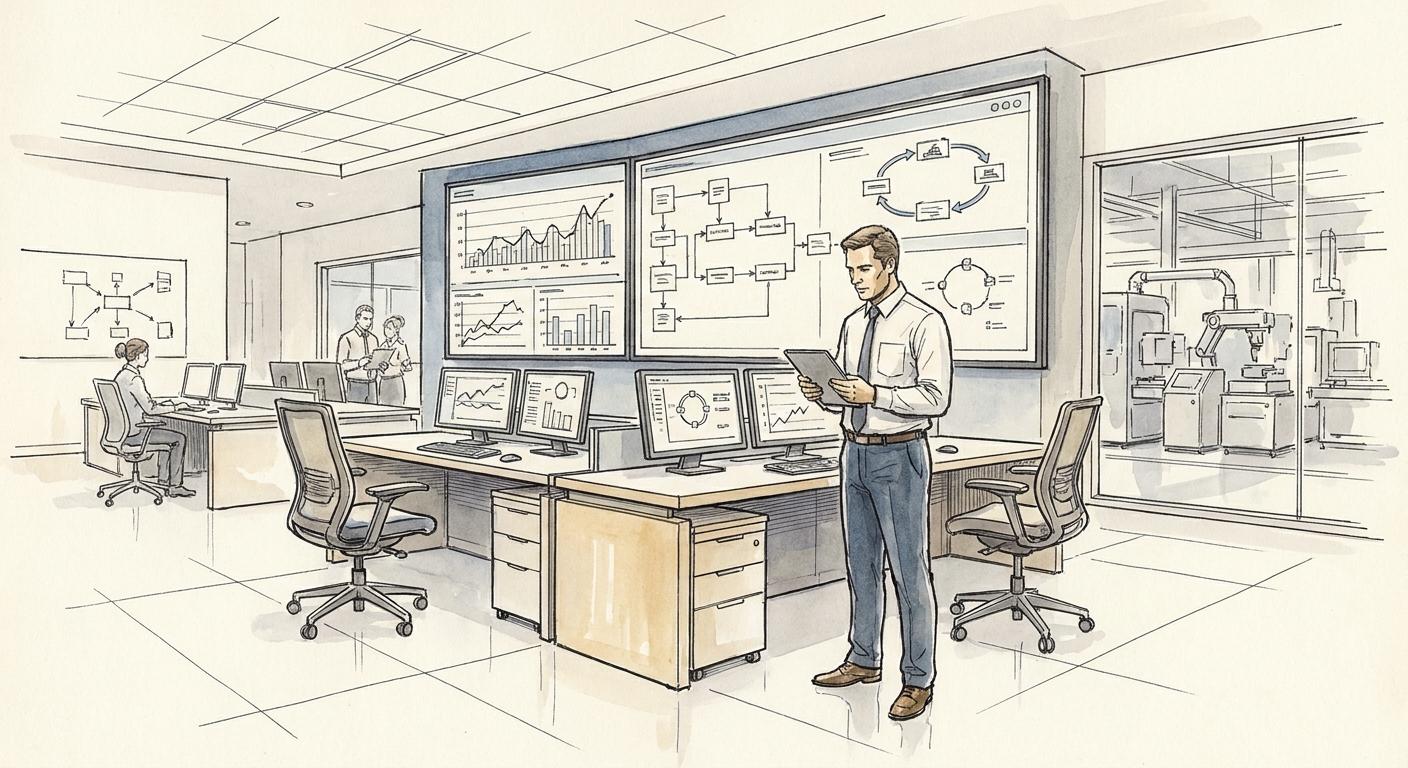
AI maturity requires a different lens. We look for an operating wedge, where AI-driven insights create a permanent shift in how a plant functions, leading to sustainable operating leverage. If a target company claims to use AI but cannot demonstrate an estimate-vs-actual improvement in job costing through automated feedback loops, they likely have a "vaporware" stack rather than a value-creation engine. Metric 1: Data Liquidity vs. Data Silos The first metric is the target’s ability to move data from the machine level to the executive level without manual intervention. In many mid-market job shops, production data is trapped in legacy PLCs or typed into spreadsheets at the end of a shift. This creates a lag that makes real-time optimization impossible.
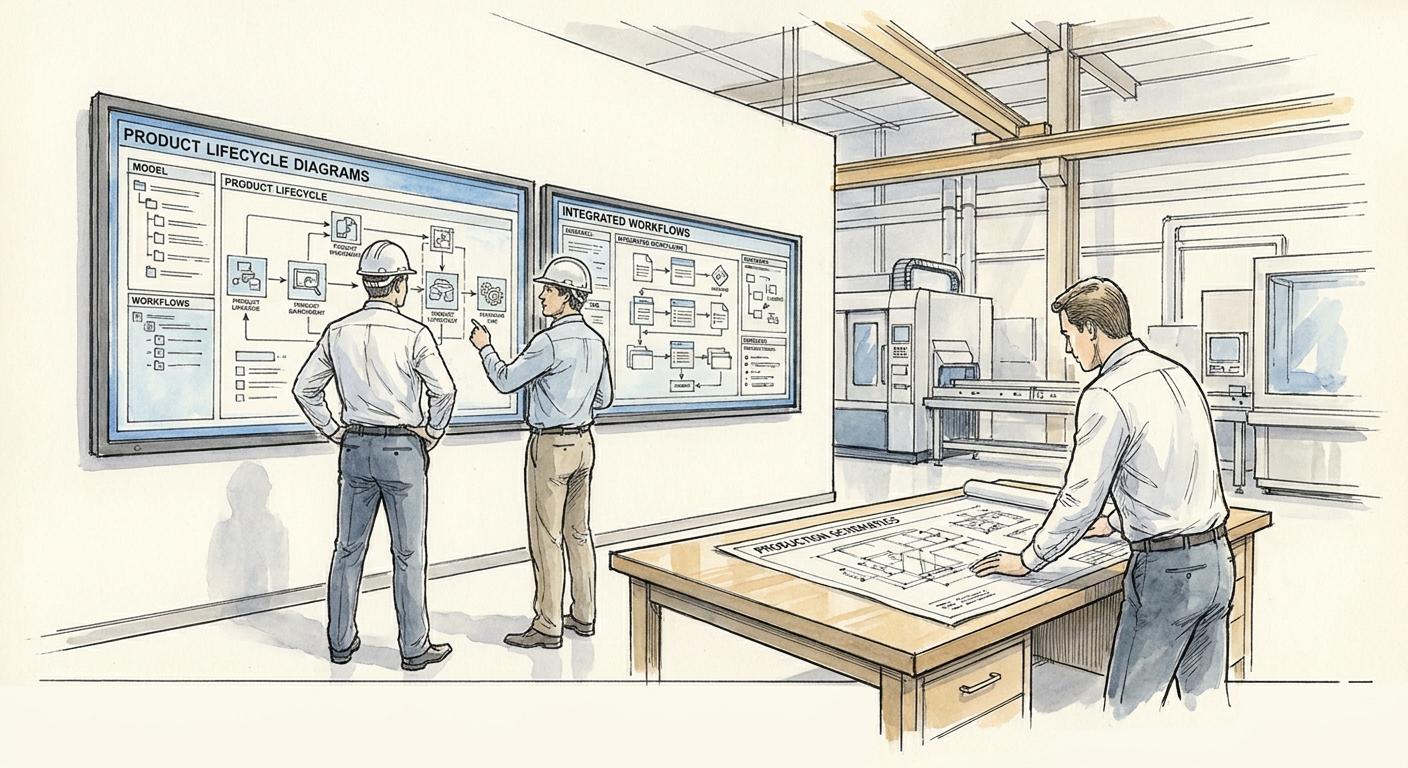
Liquid data is accessible through unified namespaces or robust APIs connecting the ERP and MES. We assess the percentage of critical equipment that is networked. If a target requires a six-figure custom integration just to track OEE (Overall Equipment Effectiveness), the technical debt will cannibalize your early value creation goals. Metric 2: High-Value Use Case Density Not all AI applications are created equal. We look for "High-Value Use Case Density" - the number of specific areas where AI can impact the P&L within 4 to 8 weeks. For a 300-employee plastic injection molding plant, this might be predictive maintenance on high-wear molds or AI-driven scheduling to minimize changeover times.
If the management team focuses on generic "business intelligence" dashboards rather than specific, high-frequency operational bottlenecks, the AI potential is low. We prioritize targets where AI can solve a "burning platform" issue, such as labor shortages or volatile raw material scrap rates. Metric 3: The 'Human-in-the-Loop' Readiness Score Automation fails when the workforce rejects it. This metric evaluates the shop floor culture. Does the Plant Manager trust the data? Is the floor lead willing to change a machine setting because an algorithm suggests it, or do they rely solely on "gut feel"?
A target with high AI readiness has documented processes and a workforce conditioned to follow standardized work instructions. Without this cultural baseline, even the most sophisticated embedded AI will become "shelfware." We look for evidence of past successful technology pilots as a proxy for this readiness score. Metric 4: Technical Debt & Legacy Infrastructure Latency Technical debt in manufacturing isn't just old code; it's old hardware that lacks sensors and outdated ERPs that can't handle high-frequency data ingestion. We calculate the "Cost to Gateway" - the investment required to bring a plant to a baseline level of AI readiness.
A target with a fragmented IT environment (e.g., three different ERPs across four sites) faces significant delayed execution truth. The multiple paid for the business must reflect the capital expenditure required to modernize the tech stack before any EBITDA expansion through AI can be realized. Metric 5: Speed-to-Wedge: Estimated Time to First AI Win In the PE investment window, speed is everything. This metric estimates how quickly we can achieve a quick win - a measurable ROI event - post-close. Ideally, this occurs within the first 100 days.
We look for opportunities where the data already exists but isn't being analyzed. For example, if a heavy machinery manufacturer has ten years of warranty claim data but has never run a pattern recognition model on it, that is a high Speed-to-Wedge opportunity. It offers an immediate path to reduce warranty reserves and improve the bottom line. Metric 6: Scalability of Autonomous Systems Is the target's AI strategy a series of "one-offs" or a repeatable framework? If the company built a custom script to optimize one specific furnace, that doesn't scale. We look for a "templated" approach where logic can be deployed across multiple lines, shifts, or facilities.
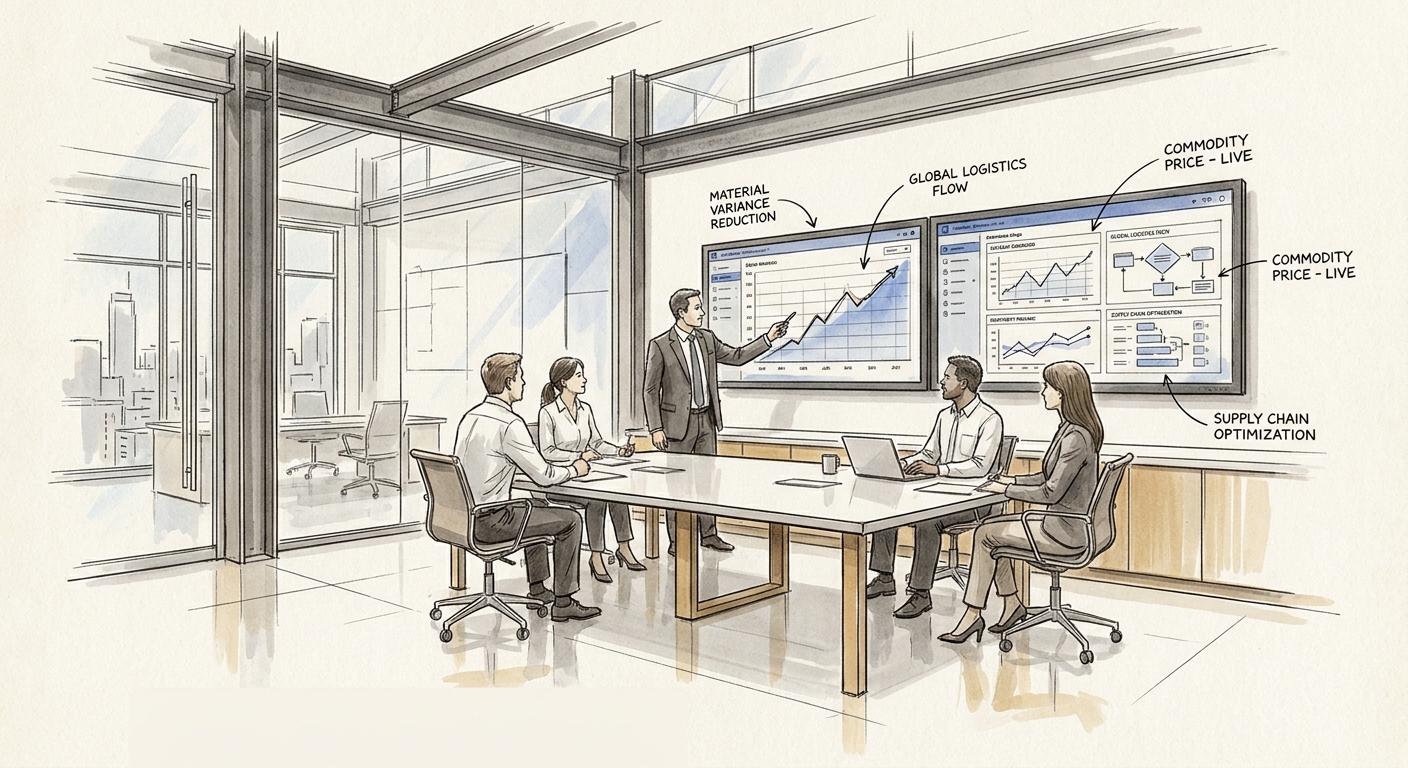
Scalability is what drives the multiple at exit. A portfolio company that has successfully productized its internal operational excellence becomes an infinitely more valuable asset. We assess if the underlying architecture supports containerization and standardized data models that allow for rapid horizontal expansion. The Operating Wedge: Realizing Value in the First 8 Weeks The goal of AI due diligence manufacturing is not just to identify risks, but to map out the operating wedge. This is the specific intervention where AI-driven decision-making replaces manual, inefficient processes to drive margin. By identifying these six metrics during the diligence phase, Operating Partners can enter the 18–36 month investment window with a clear, data-backed execution plan.
Integrating AI into the PE value creation plan ensures that the acquisition isn't just a bet on market growth, but a disciplined play on operational excellence and technological shift. FAQ How do you calculate ROI on AI during due diligence? Focus on identified operational waste, specifically OEE gaps and scrap rates. We quantify the dollar value of a 5% improvement in throughput or a 10% reduction in material waste and compare that to the estimated deployment cost of the AI solution.
What is the biggest red flag in AI due diligence? The biggest red flag is a management team that views AI as a one-time software purchase rather than an ongoing operational shift. If they cannot point to a clean, centralized data source, the "AI" they claim to have is likely just basic reporting.
Does AI readiness require replacing all legacy machinery? No. Most legacy machines can be equipped with IoT sensors to provide necessary data streams. The diligence process determines if the cost of retrofitting offers a higher ROI than manual data entry or complete machine replacement.
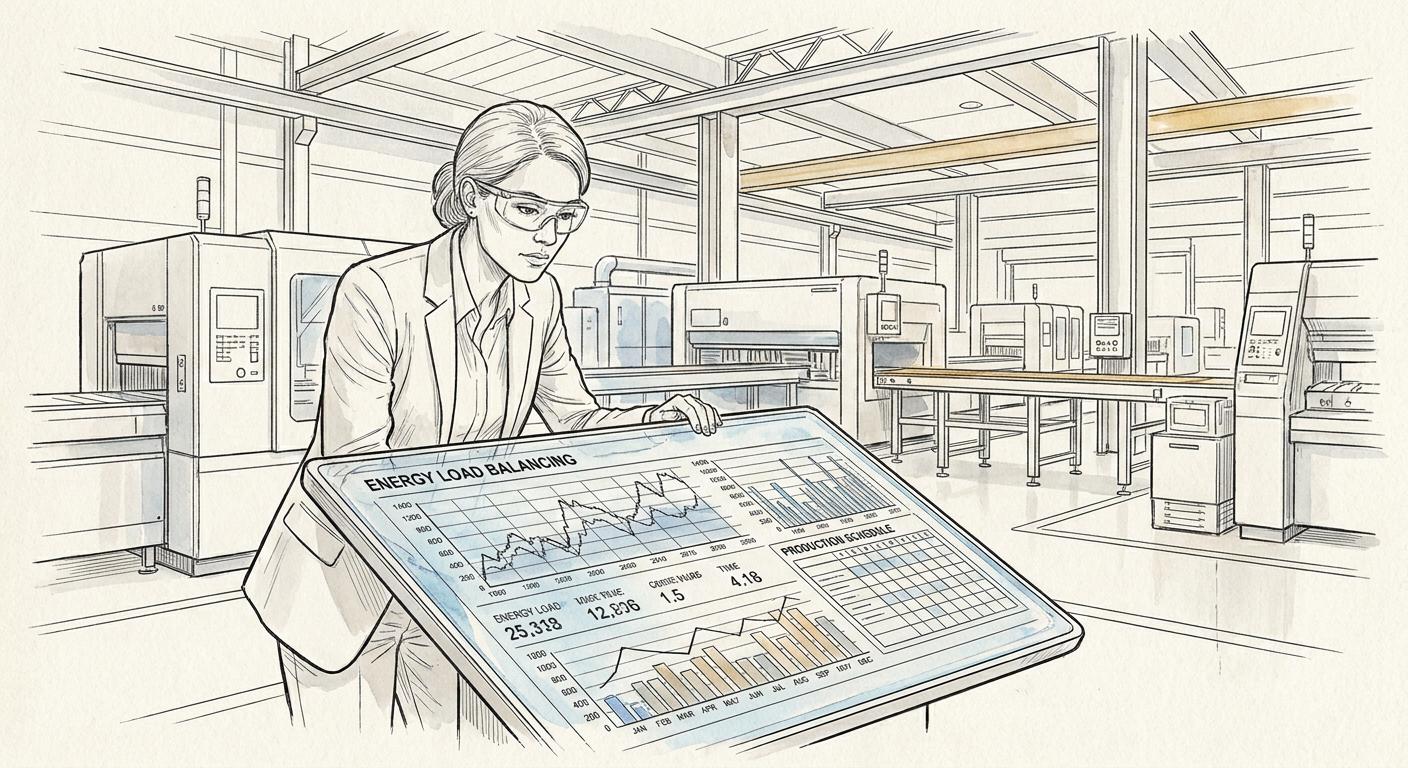
What is the typical time-to-value for industrial AI? With a clear operating wedge strategy, a quick win should be visible within 8 to 12 weeks. This usually involves optimizing a single high-impact variable, such as energy consumption or specific bottleneck cycle times.
Successful value creation requires moving beyond the hype to identify concrete operational improvements that drive EBITDA.
Book an AI Readiness Diagnostic for your portfolio at ifor.ai/solutions/private-equity.