.svg)

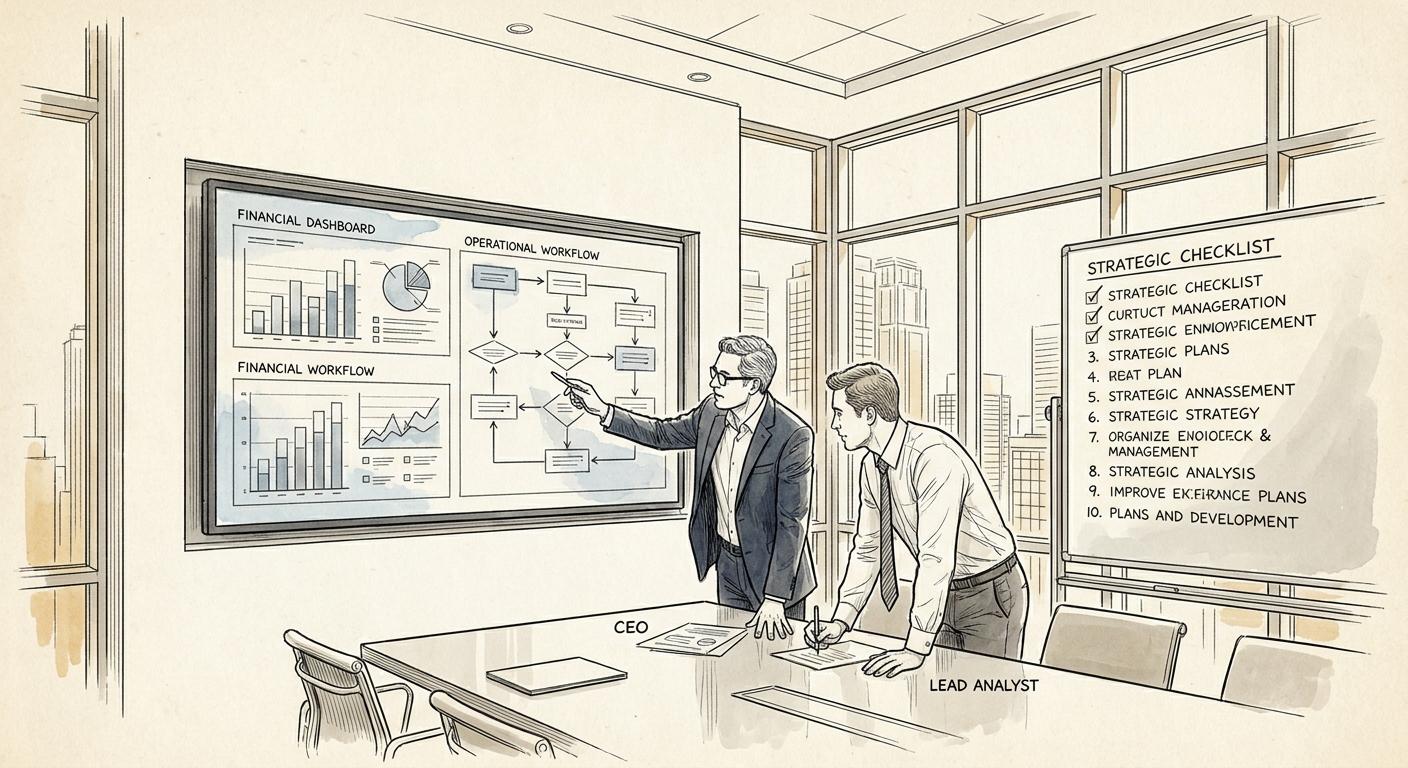
Operating Partners often inherit a fragmented mess of "shadow AI" and siloed data that stalls post-acquisition AI integration and inflates technical debt. When two entities merge, redundant software licenses and incompatible data formats create an immediate drag on the 18-36 month investment window. This checklist provides a structured framework for Operating Partners to consolidate these assets, bridge the operating wedge, and secure measurable EBITDA improvement through unified intelligence.
The Post-Acquisition AI Trap: Why Disparate Stacks Kill Synergies
Most Private Equity firms face "accidental architecture" during the first 100 days post-close. One portfolio company (portco) might use a legacy ERP with basic forecasting, while the newly acquired bolt-on utilizes a modern, standalone predictive analytics tool. Without a deliberate integration strategy, these systems remain isolated, leading to margin leakage and missed cross-sell opportunities.
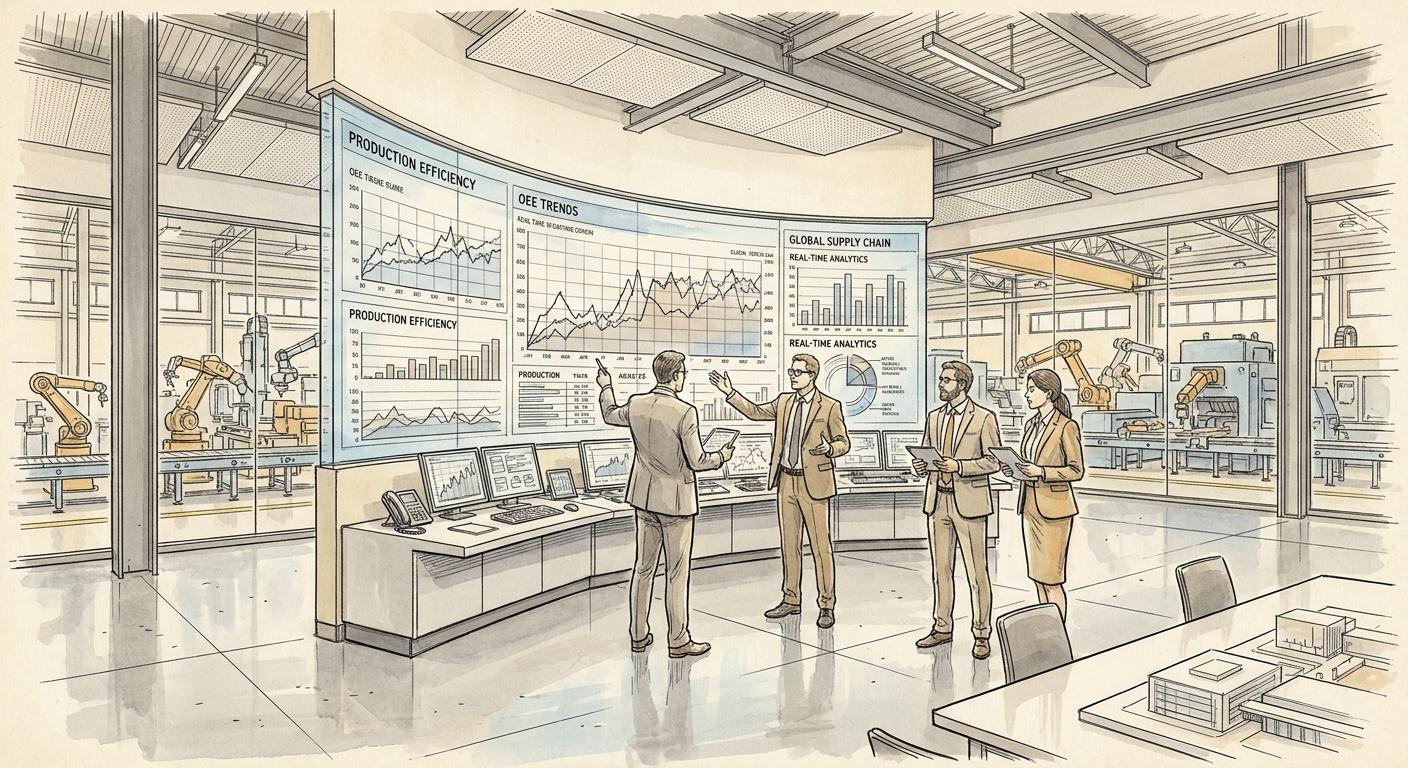
Fragmented data silos are the primary enemy of portfolio company value creation. If the procurement data in one entity cannot "talk" to the inventory logic of another, the combined firm cannot optimize working capital. This lack of visibility results in delayed execution truth, where the board receives conflicting reports on operational performance. Experts suggest that firms failing to consolidate their AI and data stacks within the first six months see a significant increase in long-term integration costs.
Post-Acquisition AI Integration is the strategic process of aligning, consolidating, and optimizing the artificial intelligence assets and data architectures of an acquired company to ensure EBITDA growth and operational scalability. It focuses on turning fragmented data points into a unified engine for margin expansion and decision support.
Step 1-3: The Audit & Technical Debt Assessment
The first 30 days must focus on discovery rather than deployment. You cannot drive an operating wedge if you do not understand the underlying floorboards.
Inventory Shadow AI and Model Provenance: Identify every instance where employees have integrated third-party LLMs or machine learning scripts into daily workflows. A 150-employee manufacturer in the Midwest recently discovered three separate "unauthorized" demand forecasting scripts being used by different regional planners, leading to inconsistent job costing.
Evaluate Data Latency and Quality: Assess whether the data feeding existing models is real-time or batched. AI is only as effective as its refresh rate; if the acquired firm’s data is 48 hours old, it cannot support dynamic pricing or OTIF (On-Time, In-Full) optimizations.
Map Technical Debt: Quantify the cost of maintaining legacy AI stacks. If an acquired company relies on a brittle, custom-coded AI model that requires a specific consultant to maintain, it represents a risk to the investment thesis.
Step 4-6: Data Unified Architecture & Security Governance
Once the audit is complete, the focus shifts to creating a "Single Source of Truth." This is where merging data silos becomes a financial lever.
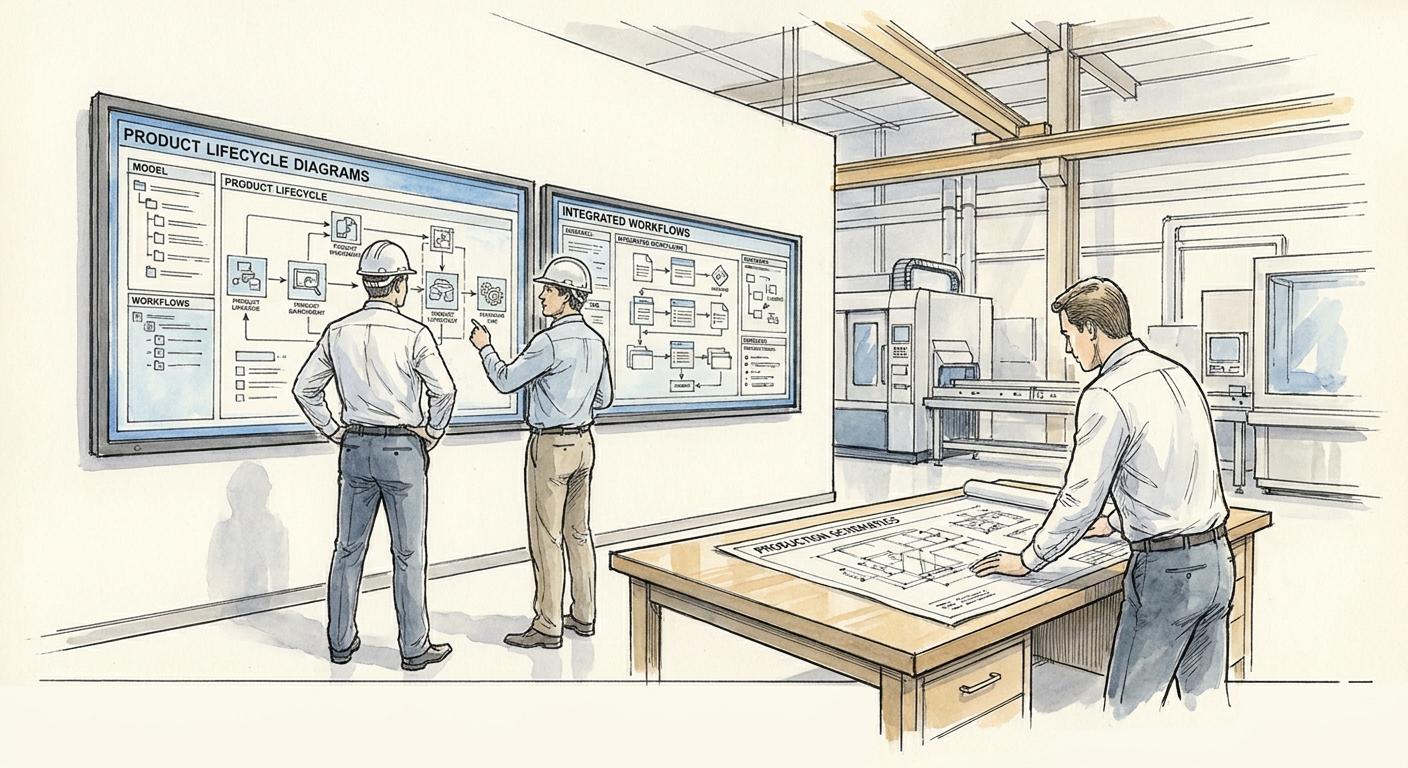
Establish a Common Data Schema: Standardize how key metrics - like gross margin, scrap rate, and labor hours - are recorded across the combined entity. This ensures that estimate-vs-actual reporting is consistent across the entire portfolio.
Centralize Security Protocols: Implement a unified governance layer. AI integration introduces new vectors for data exfiltration; ensuring that portco A’s AI doesn't have "hallucinated" access to portco B’s sensitive customer list is a critical quick win for risk management.
AI Stack Consolidation: Eliminate redundant SaaS subscriptions. If both companies are paying for separate predictive maintenance tools, consolidate onto the platform with the highest AI readiness and lowest cost-per-seat to capture immediate administrative EBITDA gains.
Step 7-9: The Operating Wedge - Capturing the First AI Win
The "iForAI" approach prioritizes rapid time-to-value. Rather than a multi-year digital transformation, focus on an 8-week sprint to prove the investment thesis.
Identify the High-Yield Use Case: Select one specific, measurable pain point, such as automated procurement or labor scheduling. For example, applying embedded AI to automate invoice matching can reduce administrative overhead by 20% in two months.
Deploy the Pilot: Roll out the integrated solution to a controlled segment of the business. Monitor the operating wedge - the gap between current performance and the improved state enabled by the AI.
Baseline and Scale: Use the results of the pilot to set a firm-wide KPI. If the pilot reduced stockouts by 12% in the first 8 weeks, use that data to justify the rollout across the remaining business units, ensuring the value creation plan is on track.
Measuring Success: KPI Framework for AI Integration
Operating Partners must translate technical milestones into financial language for the deal team and LPs. High-level "innovation" metrics are useless; focus on the following:
EBITDA Expansion through AI: Tracking the direct reduction in OpEx (e.g., headcount efficiency or reduced material waste) attributable to the integrated stack.
Operating Leverage: Measuring the ability to increase output without a proportional increase in overhead costs.
Data Liquidity Score: A neutral assessment of how quickly departmental data can be converted into actionable boardroom insights.
FAQ
How long does a typical AI integration take post-acquisition? While a full cultural shift takes years, the technical integration and the first "operating wedge" win should be captured within 4–8 weeks. This timeframe ensures the momentum of the acquisition is used to drive immediate EBITDA improvement.
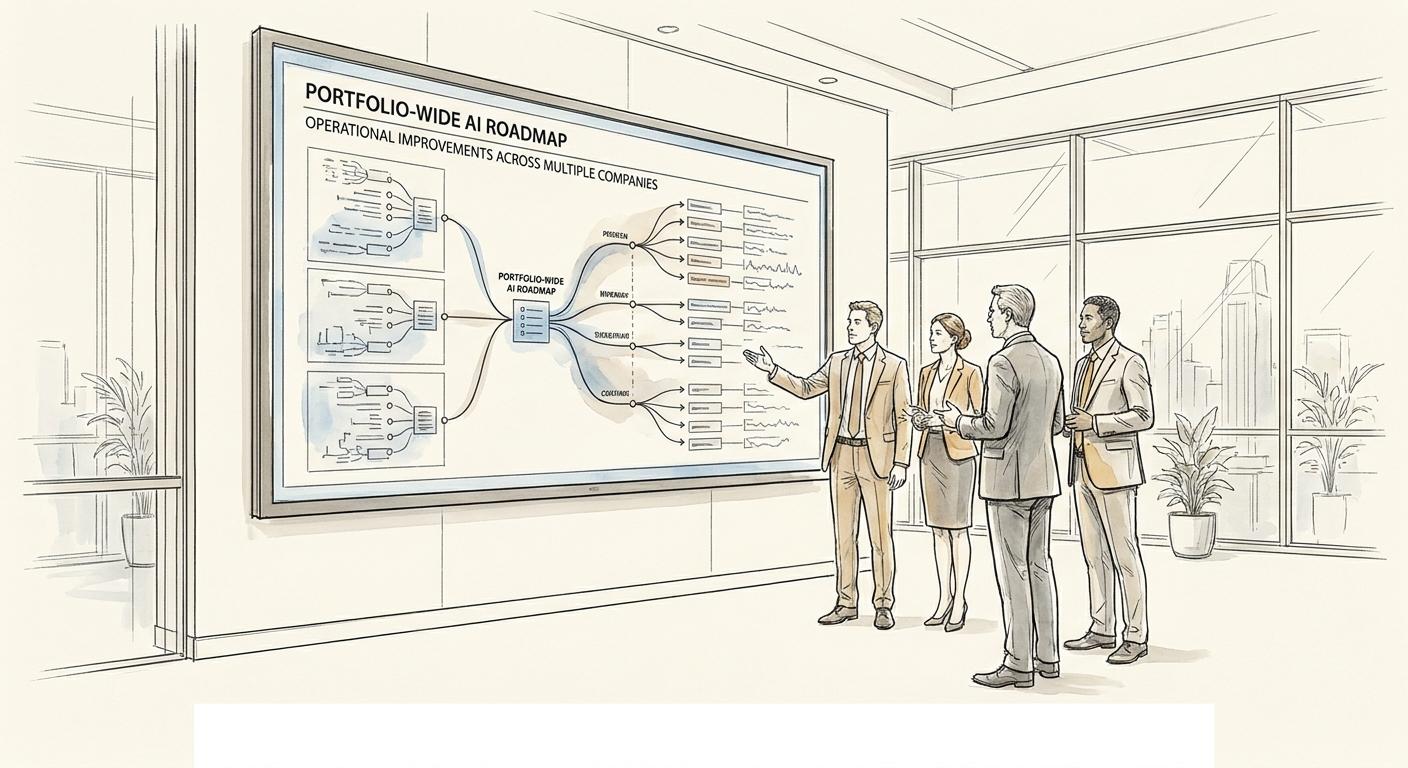
Should we centralize AI across all portfolio companies? No. You should centralize data standards, security governance, and vendor procurement, but allow for localized application execution. This keeps the portco agile while ensuring the PE firm maintains a unified view of portfolio company value creation.
What is the biggest risk in merging data silos? The primary risk is data corruption or "garbage in, garbage out" logic. If the two entities use different definitions for a "completed order," the resulting AI insights will be flawed, leading to poor capital allocation decisions.
Merging disparate AI stacks is an operational necessity in the current investment window. By following a structured integration checklist, Operating Partners can eliminate technical debt and ensure their AI strategy contributes directly to the exit multiple.
To evaluate your current portfolio's potential for margin expansion, Book a Private Equity Diagnostic at ifor.ai/solutions/private-equity.