

.svg)

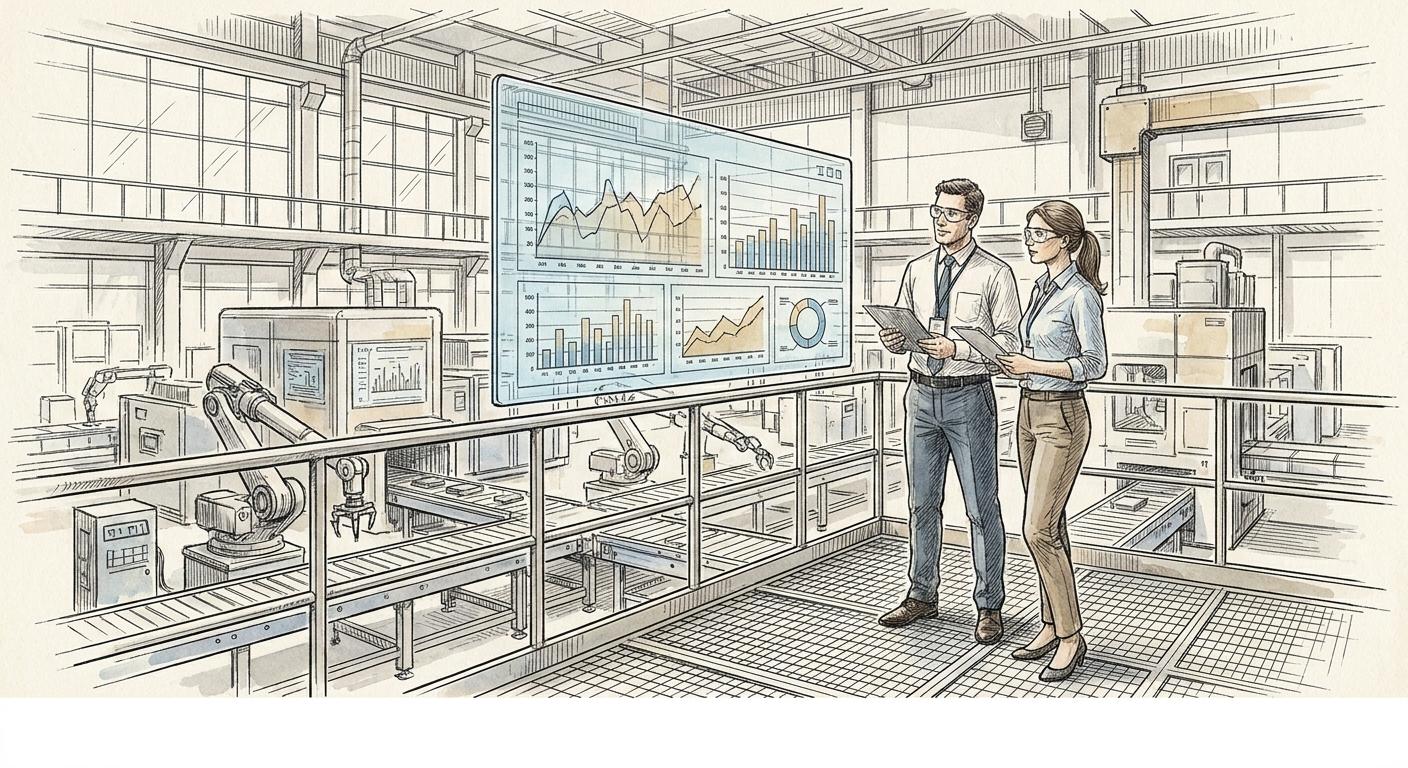
When a critical Tier-2 supplier misses a delivery, the impact isn't just a line item - it’s a cascade of expedited freight costs, idle shop floor labor, and missed OTIF targets that erode your gross margin. Most COOs rely on lagging indicators like quarterly scorecards, but AI supplier risk prediction allows leadership to shift from fire-fighting to proactive resource allocation. This guide explores how manufacturers can deploy predictive models to identify vendor insolvency, geopolitical instability, or logistical bottlenecks before they halt production. The Cost of Reactivity: Why Traditional Risk Management Fails Today Traditional risk management is often a post-mortem exercise. By the time a procurement team notices a supplier’s performance is slipping, the internal delayed execution truth has already impacted the P&L through liquidated damages or stockouts. Manual monitoring simply cannot keep pace with 10,000+ global SKUs and the volatility of modern material markets.
For a 500-employee industrial equipment manufacturer, a three-day delay in a single sub-component can force an entire assembly line into overtime, instantly shrinking the operating wedge. Relying on static spreadsheets or the "gut feel" of buyers creates a visibility gap that Private Equity operating partners view as a significant liability during a 18-36 month investment window. Without real-time data integration, your response to a disruption is always expensive. What is AI-Driven Supplier Risk Prediction? AI-driven supplier risk prediction is a proactive supply chain strategy that uses machine learning and external data signals to forecast vendor disruptions before they occur. By analyzing historical performance, financial health, and global logistics data, it allows manufacturers to mitigate costs and protect production schedules through early intervention.
Unlike basic ERP scorecards, this approach uses embedded AI to ingest unstructured data - such as news of labor strikes, weather patterns, or sub-tier financial filings. It moves beyond "what happened" to "what is likely to happen next week." For the COO, this means receiving a high-confidence alert that a specific casting house in Southeast Asia has a 75% probability of a 10-day delay, providing a two-week head start to re-route orders. The 'Operating Wedge': Scoping Your First AI Win in 8 Weeks Establishing AI readiness does not require a multi-year digital transformation. Large-scale projects often fail due to complexity; instead, focus on a quick win by targeting a single high-impact category or a "bottleneck" supplier tier. This narrow scope allows for time-to-value metrics that satisfy both C-suite and PE stakeholders.
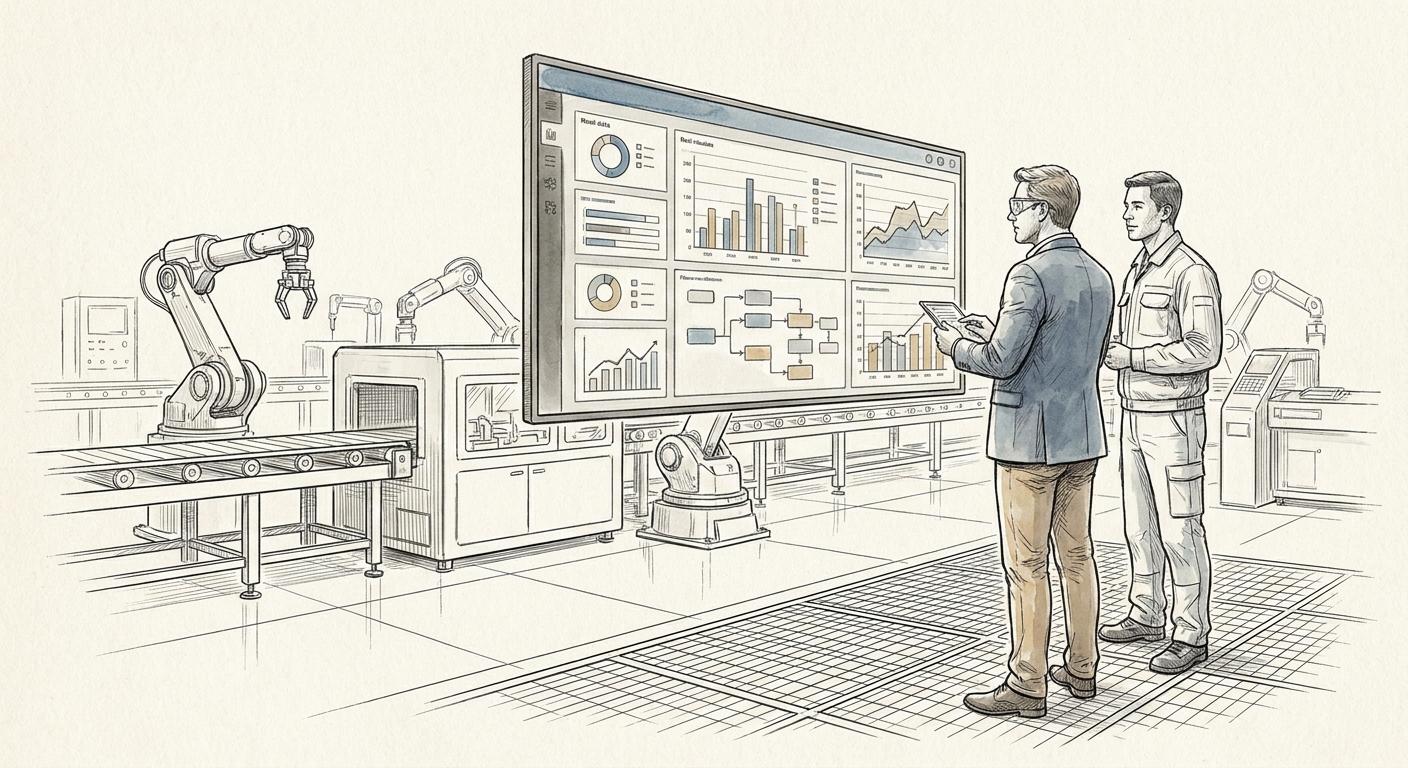
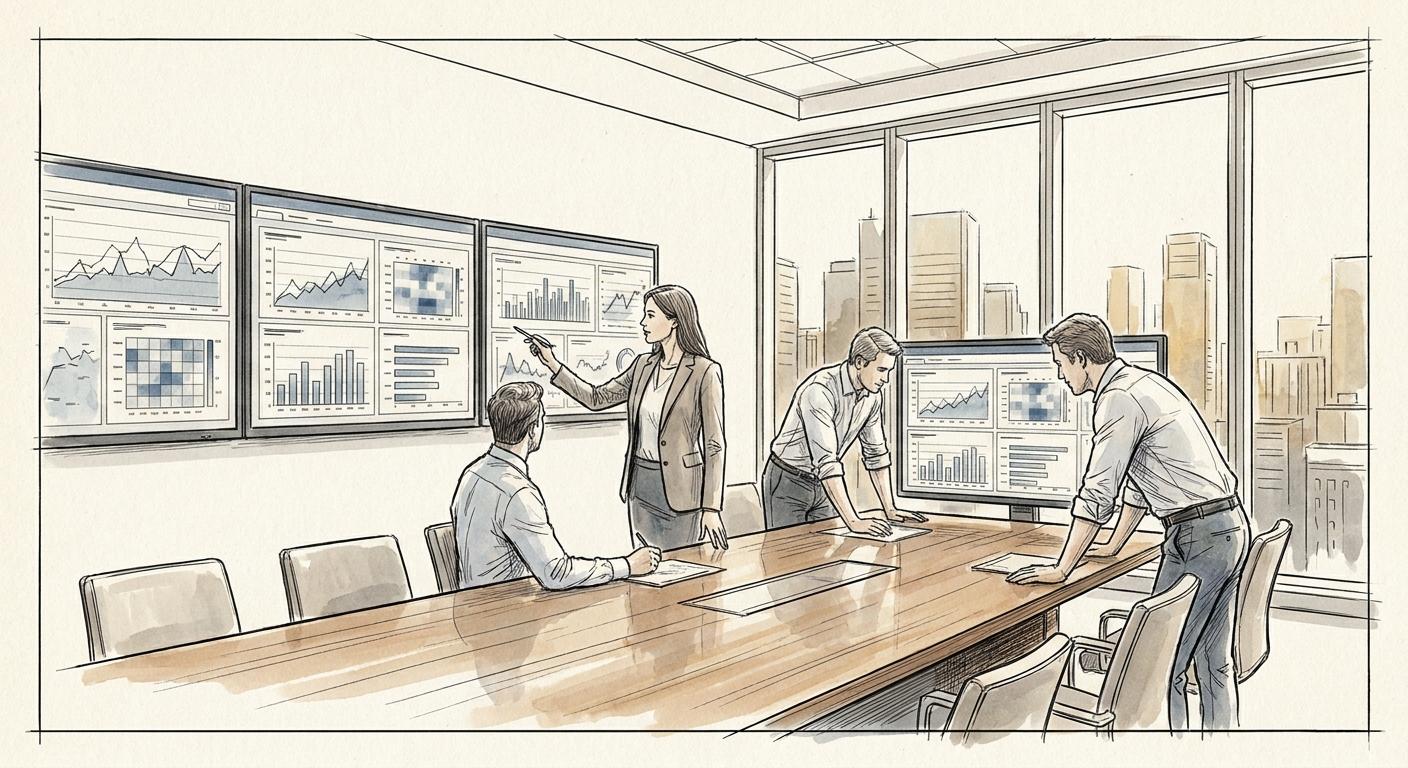
In the first 4 weeks, the focus is on data hygiene - connecting internal job costing and purchase order history with external risk signals. By week 8, the model should be surfacing estimate-vs-actual variances that were previously invisible. For example, a mid-market automotive supplier used this phased approach to identify a high-risk electronic component vendor, allowing them to dual-source before a localized plant closure occurred, saving an estimated $450k in potential air-freight costs. Integrating Predictive Intel into the COO’s Workflow Predictive intelligence is useless if it remains trapped in a dashboard monitored only by junior analysts. To drive value creation, AI alerts must be integrated into the weekly executive reporting rhythm. When the system flags a risk, the response should be codified: does the team increase safety stock, renegotiate terms, or trigger a backup supplier?
For an Operating Partner, this data provides the operating leverage needed to justify capital allocation toward inventory build-up for specific high-risk items. It transforms procurement from a transactional function into a strategic pillar of EBITDA improvement. When the COO can see the projected risk across the entire portfolio, they can direct engineering teams to qualify alternative materials or vendors months before a crisis manifests. Measuring Success: KPI Impacts on COGS and Resilience The success of AI supplier risk prediction is measured in hard dollars, not "innovation" points. The primary metric is the reduction in margin leakage caused by supply surprises. By tracking the delta between predicted and actual delivery times, manufacturers can tighten their production schedules and reduce the "just-in-case" inventory that frequently ties up working capital.
Key performance indicators to monitor include:
Expedited Freight Spend: A direct correlation to better risk foresight. Lead Time Variance: Reducing the standard deviation of delivery windows. Production Line Downtime: Measuring hours saved from component-related stoppages. EBITDA Impact: Total savings from avoided disruptions and improved procurement terms. FAQ How long does it take to see results from AI supplier risk prediction? Small-scale implementations follow an 8-week "operating wedge" model. You can typically identify the first actionable risk signals within 30 to 60 days by focusing on your top 20% of suppliers by spend or criticality.
Does this require a complete ERP overhaul? No, modern predictive tools function as an execution layer that sits on top of your existing ERP or MES. They pull data from current systems via API and supplement it with external market signals without requiring a "rip and replace" of your core infrastructure.
How does this improve manufacturing EBITDA? It improves EBITDA by stripping out the hidden costs of volatility, such as emergency shipping fees, labor inefficiencies due to parts shortages, and the high cost of holding excessive safety stock across the entire bill of materials.
What data is needed to get started? Initial models require historical purchase orders, supplier delivery performance data (OTIF), and current inventory levels. This internal data is then harmonized with external datasets like port congestion, currency fluctuations, and geographic weather patterns.
Implementing predictive risk modeling ensures your supply chain is a source of competitive advantage rather than a recurring threat to your exit multiple. Focusing on targeted execution allows for rapid ROI while building a foundation for long-term resilience.
Book a Manufacturing Diagnostic at ifor.ai/solutions/manufacturing