.svg)

Unplanned downtime on a primary production line can cost a mid-market manufacturer anywhere from $10,000 to $250,000 per hour in lost margin and labor overhead. Understanding the nuance of predictive vs prescriptive maintenance AI is no longer a technical luxury; it is a core component of maintaining an operating wedge against rising OpEx. While predictive tools alert you that a motor is failing, prescriptive AI tells your maintenance lead exactly which bearing to replace and when to slow the line to prevent a catastrophic blowout. This article analyzes how both models impact EBITDA, asset lifecycle management, and the speed of execution for operational leaders.
The Evolution of Maintenance: From Reacting to Prescribing
Most mid-market firms still operate on a "break-fix" or "preventative" schedule. Preventative maintenance - changing oil every 500 hours regardless of condition - leads to margin leakage through wasted parts and unnecessary labor. Legacy systems rely on fixed intervals that ignore the actual stress placed on equipment during high-velocity runs.
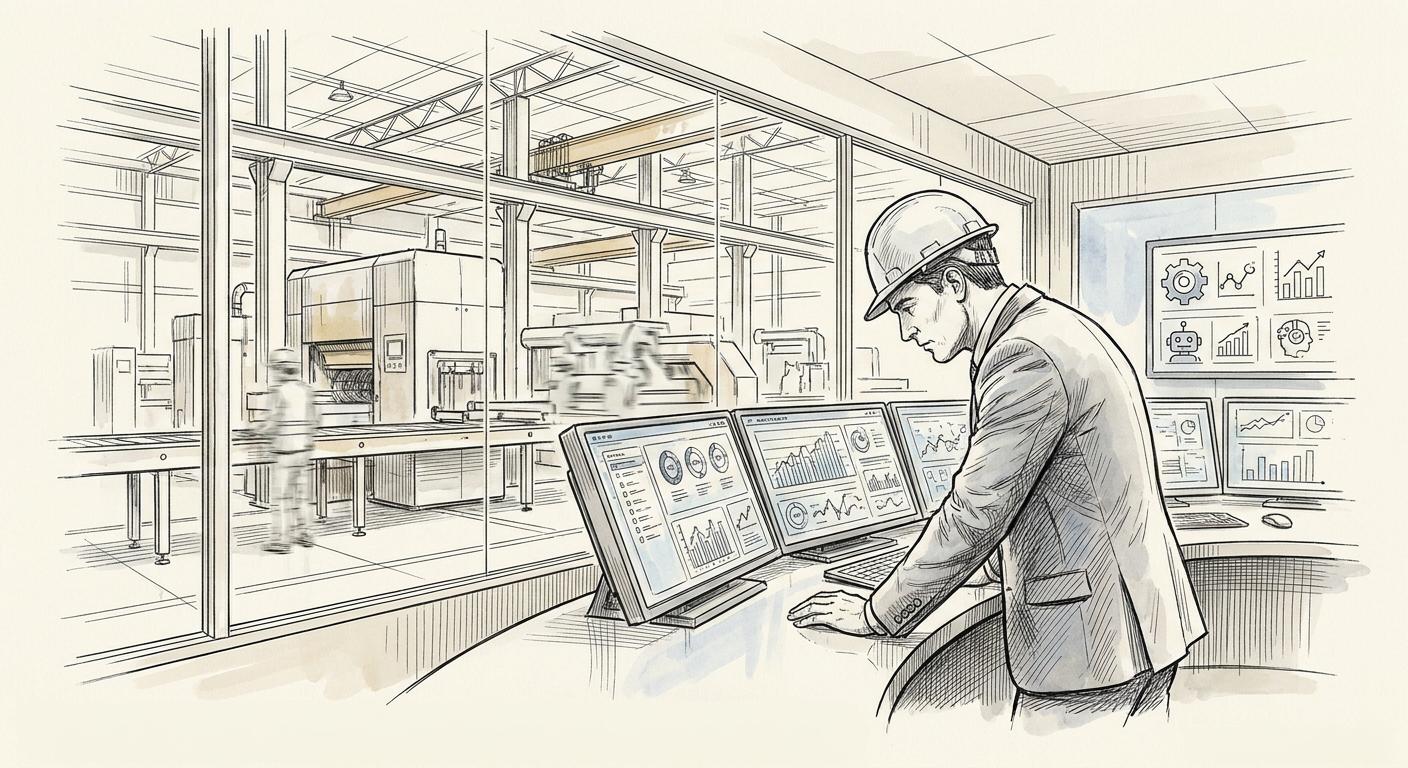
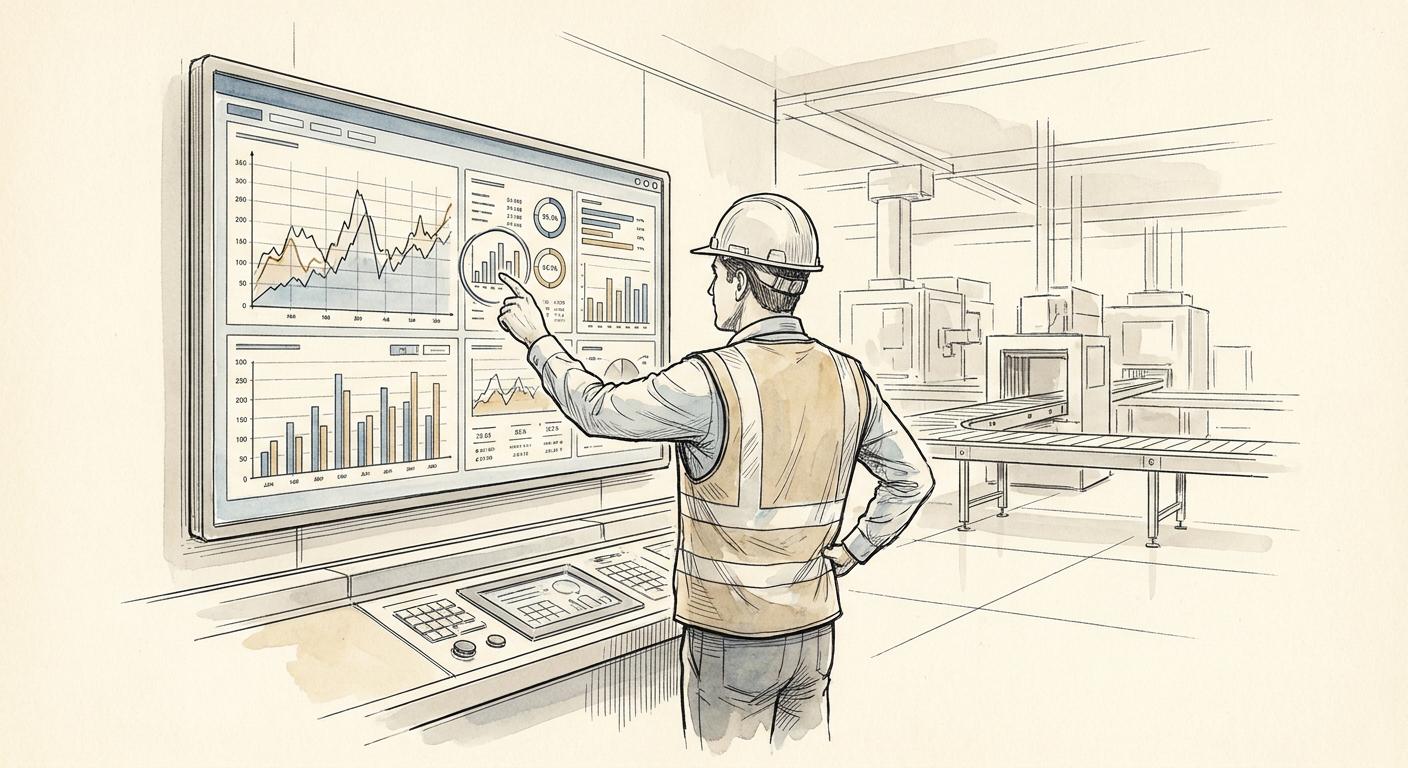
The shift to AI-driven models allows plant managers to move toward data-driven reality. Instead of guessing when an asset might fail, operators use embedded AI to monitor real-time health. For a 150-employee Tier 2 automotive supplier, moving away from fixed-interval schedules can reduce maintenance labor costs by 15-20% within the first year by focusing human capital only where the data demands it.
Predictive Maintenance (PdM): Detecting the 'When'
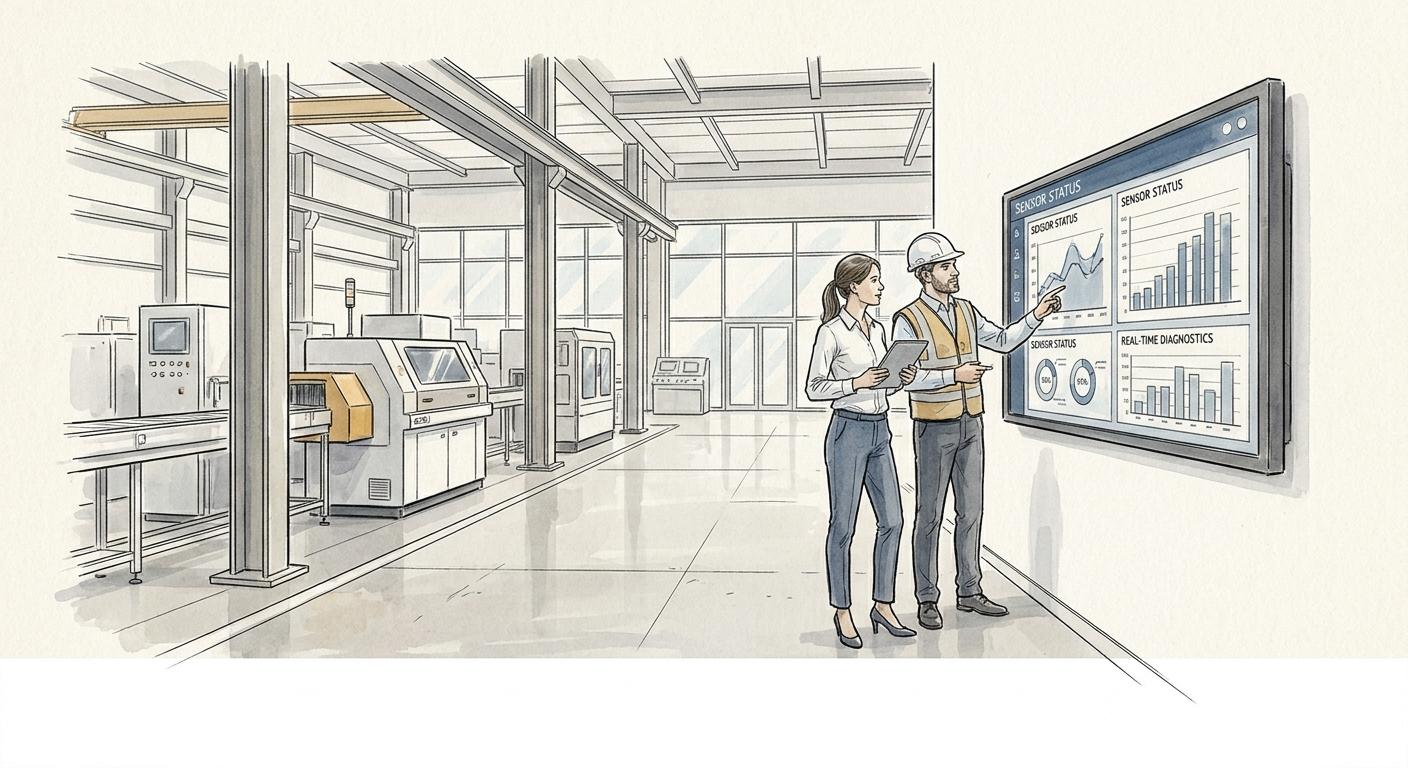
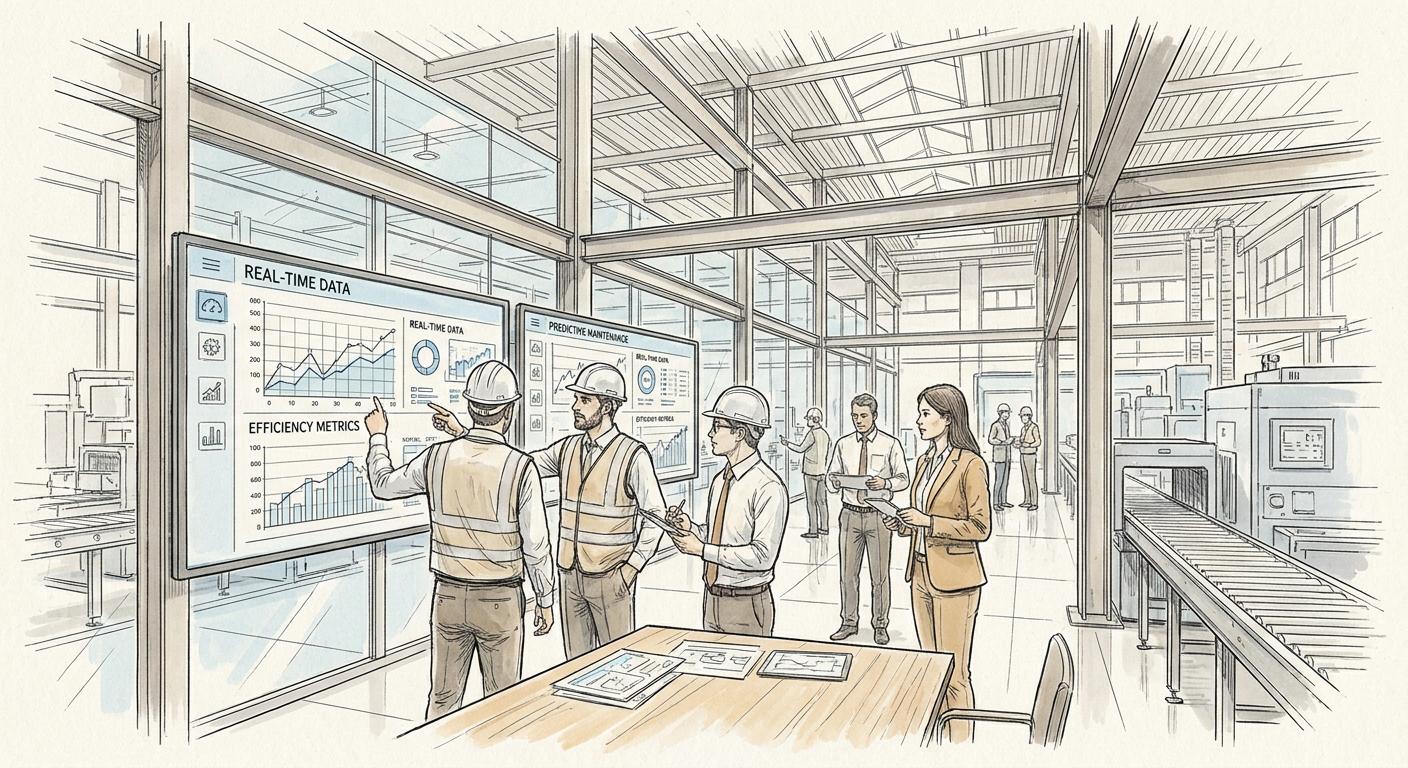
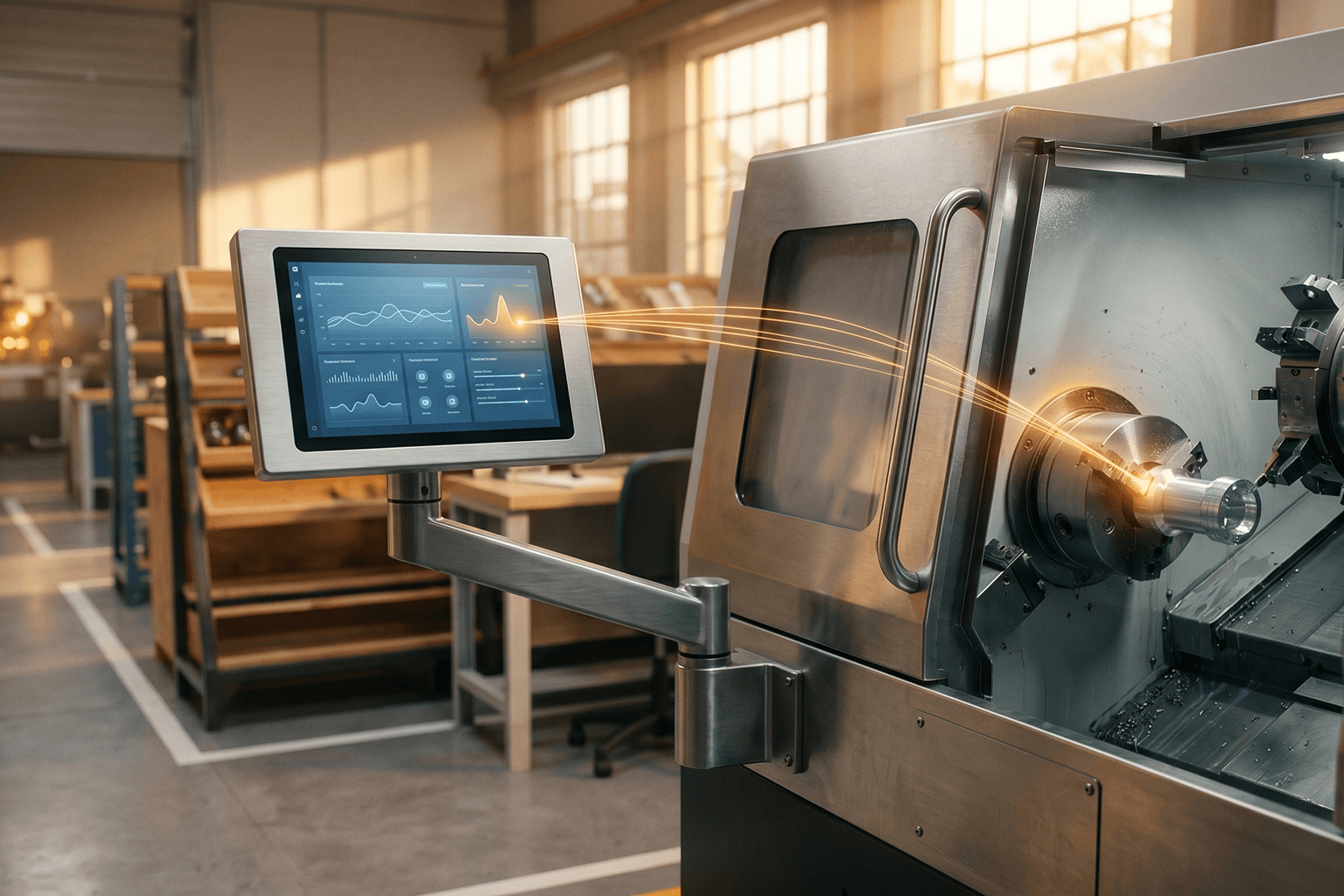
Predictive Maintenance AI is an analytical approach that uses historical and real-time sensor data to identify patterns indicating a high probability of equipment failure. By monitoring heat, vibration, and acoustics, PdM provides the delayed execution truth - a warning that a fault is imminent so that teams can schedule a repair before a total stop occurs.
For the CFO, the value of PdM lies in cost avoidance. By spotting a failing spindle three days before it seizes, the facility avoids the emergency air-freight costs of replacement parts and the overtime surge required for a midnight repair. The COO sees improved OTIF (On-Time In-Full) rates because production schedules remain predictable. PdM effectively narrows the window of uncertainty, turning a "random" failure into a scheduled task.
Prescriptive Maintenance (RxM): Dictating the 'How'
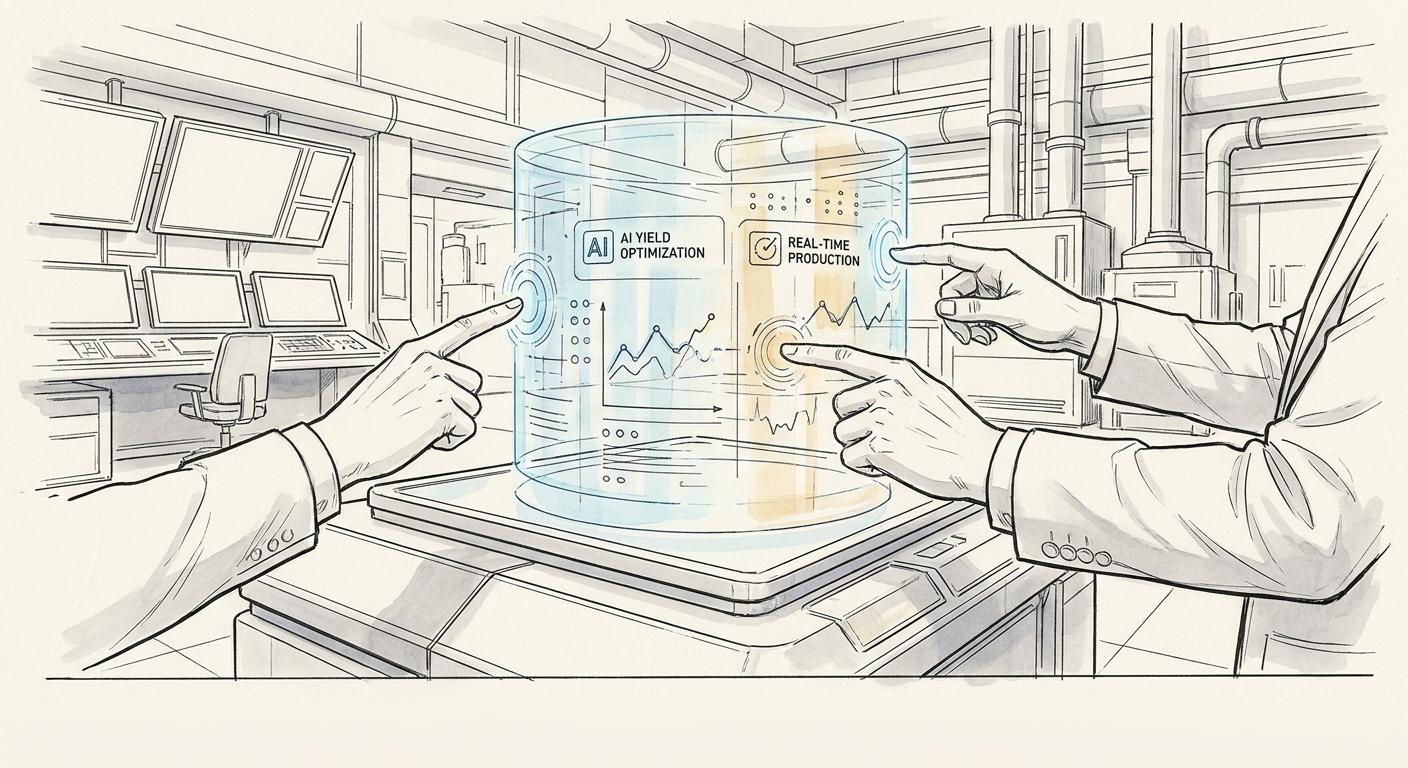
If predictive maintenance is the smoke detector, prescriptive maintenance is the automated sprinkler system and the fire department combined. Prescriptive Maintenance (RxM) doesn't just forecast a failure; it analyzes multiple scenarios to recommend the best course of action. It might suggest reducing the machine’s feed rate by 10% to extend its life until the Saturday shift change, or it might identify that the failure is being caused by an upstream vibration issue rather than the asset itself.
RxM reduces the "human-in-the-loop" delay. In many job shops, even when an alert is triggered, technicians spend hours diagnosing the root cause. Prescriptive AI removes the guesswork from job costing by providing a specific "therapeutic" action plan. This ensures that the junior technician on the floor has the same diagnostic precision as a 30-year veteran, standardizing maintenance quality across the plant.
Financial Impact: Downtime Reduction vs. Implementation Cost
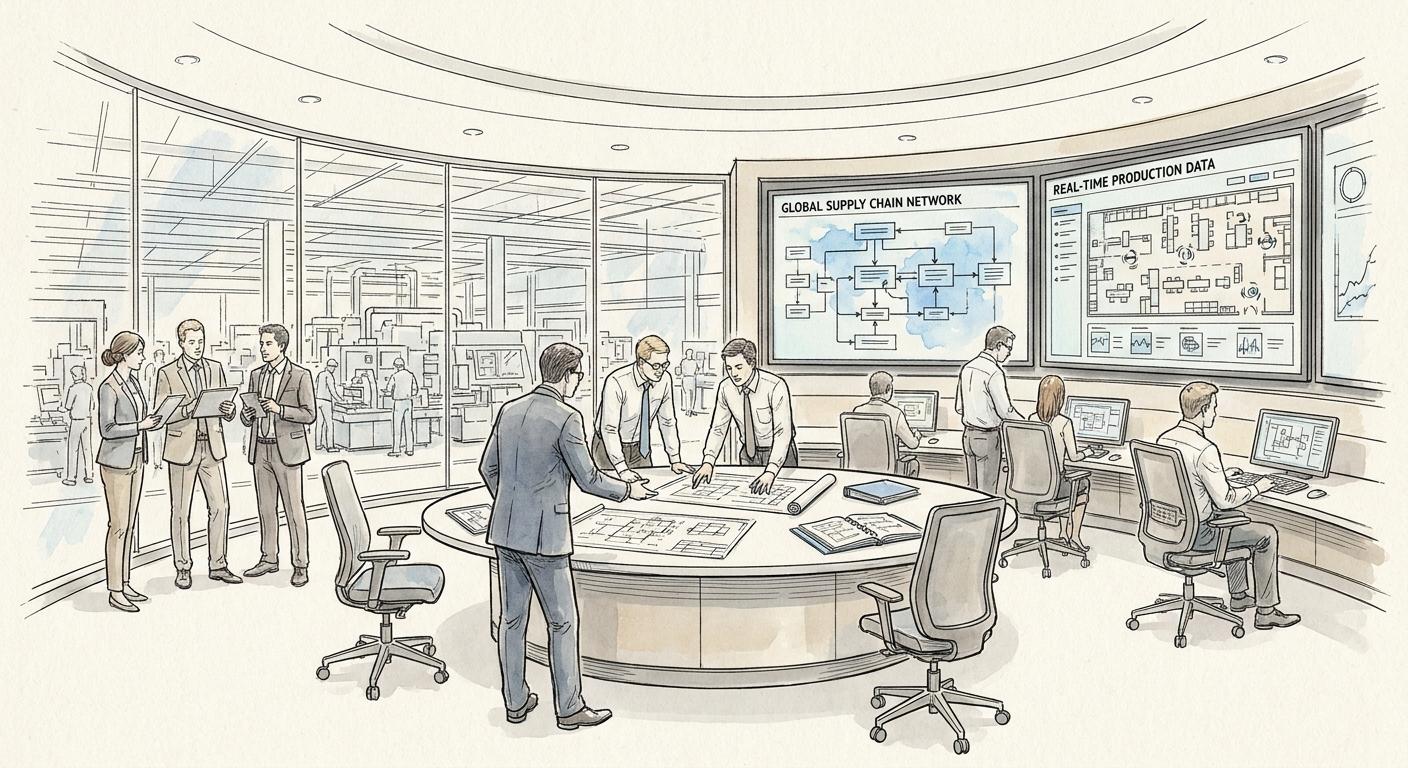
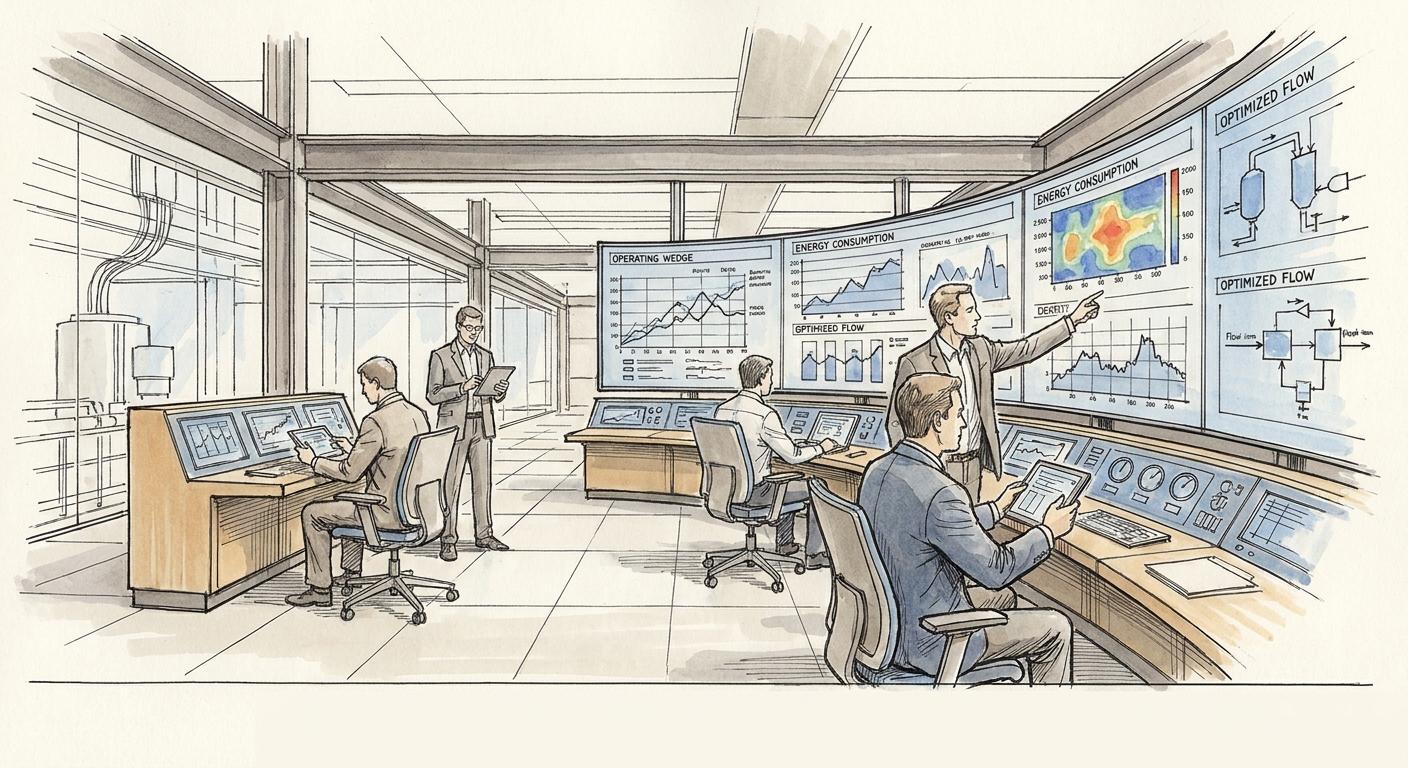
In a private equity context, the value creation comes from increasing the throughput of existing CapEx. An hour of downtime in a high-precision CNC shop doesn't just cost labor; it erodes the operating leverage of the entire facility. PdM typically has a lower entry cost, requiring basic sensor integration and pattern recognition. RxM requires deeper data orchestration but offers a higher EBITDA improvement by optimizing the actual repair process and machine settings in real-time.
The iForAI 'Operating Wedge': From Analysis to Execution in 4-8 Weeks
Mid-market manufacturers cannot afford two-year ERP-MES integration projects that fail to deliver a quick win. The most effective path to AI readiness is the implementation of an "operating wedge" - a targeted AI deployment on a single, critical asset or production line.
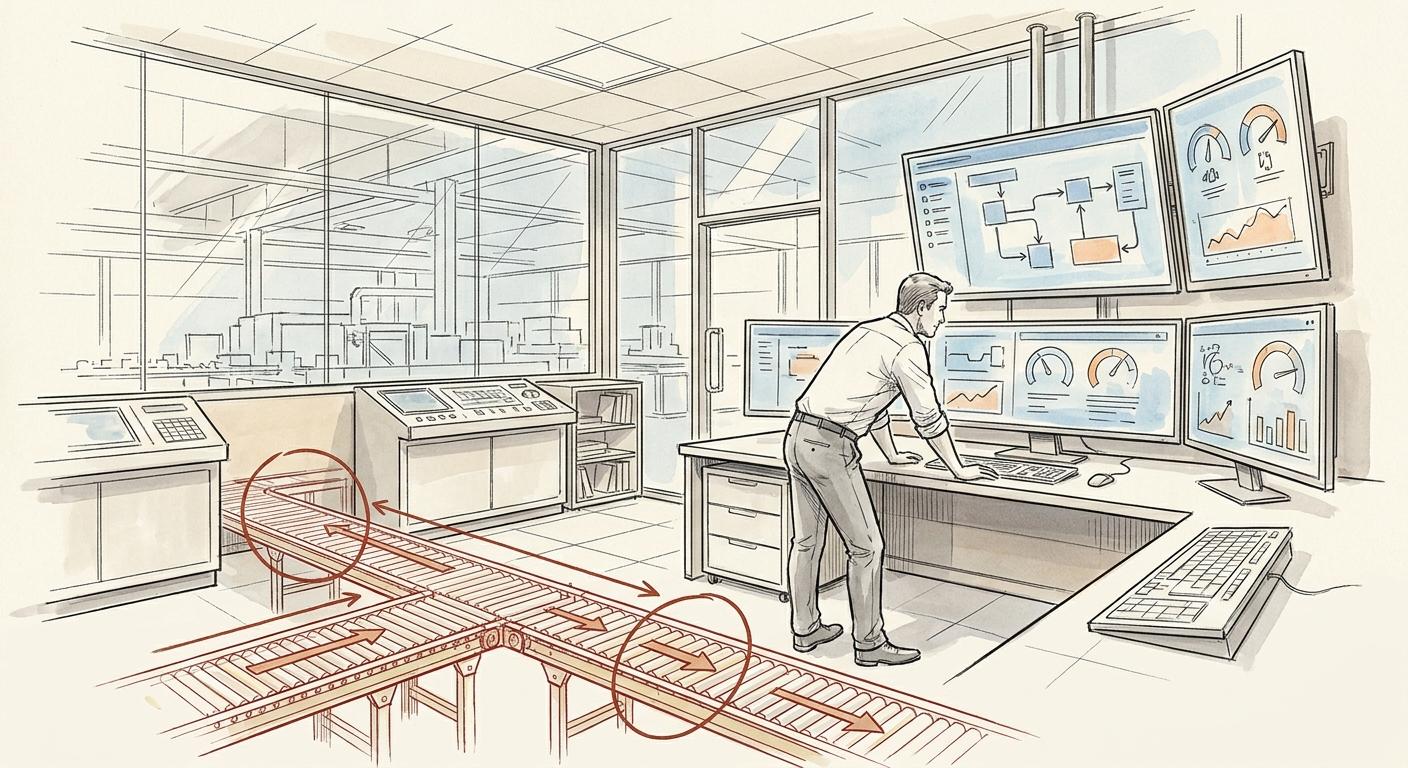
Focusing on a "bottleneck" machine allows for a time-to-value window of 4 to 8 weeks. Rather than a total factory overhaul, this approach uses existing sensor data to prove ROI through immediate downtime reduction. Once the estimate-vs-actual maintenance costs on that single line show improvement, the model can be scaled across the facility using the initial savings to fund the expansion.
Choosing the Right Path for Your Production Floor
The decision between predictive and prescriptive depends on your current data maturity. If your shop is still using paper logs or basic Excel sheets for maintenance, the first step is a predictive model to establish a baseline of asset health. This builds the data foundation required for more advanced logic.
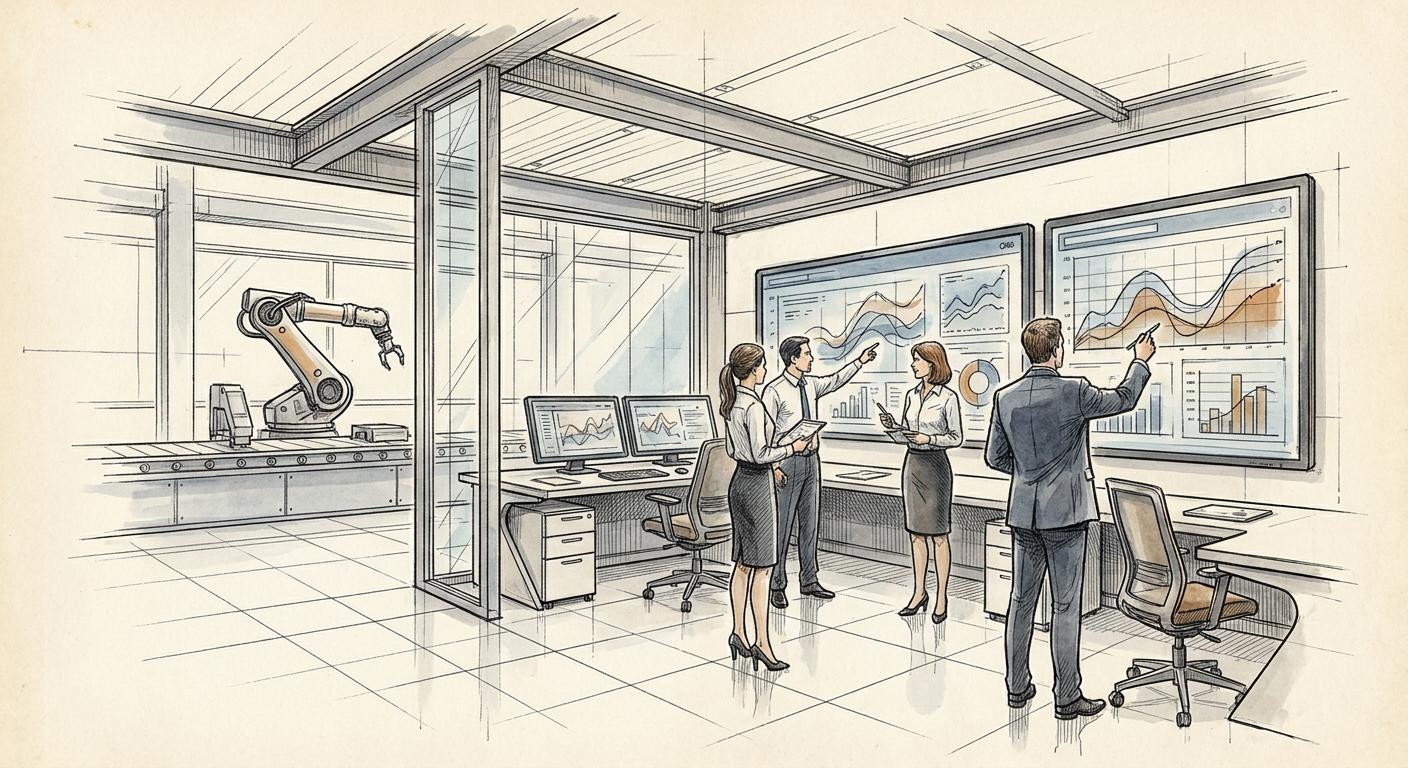
However, if you are a high-volume manufacturer where even a 5-minute stoppage creates a massive backlog, jumping directly to prescriptive AI is often the better investment. For Portfolio CEOs, the prescriptive approach provides a faster route to professionalizing operations and securing a higher exit multiple by proving the facility can run autonomously with minimal reliance on specific "tribal knowledge" from long-tenured employees.
FAQ
Is prescriptive maintenance more expensive than predictive maintenance? Initial setup for prescriptive AI typically requires more robust data integration, but the long-term ROI is higher. It eliminates the diagnostic time that usually follows a predictive alert, directly lowering the total cost of ownership for the asset.
Can mid-market manufacturers implement AI maintenance without a massive IT team? Yes, by utilizing an embedded AI partner to deploy a targeted operating wedge. This approach focuses on specific high-value assets rather than enterprise-wide infrastructure, requiring minimal internal IT overhead to see results.
What is the average time-to-value for an AI maintenance project? When focused on a single critical production line, most manufacturers see measurable reductions in unplanned downtime within 4 to 8 weeks of data activation.
Does AI maintenance replace the need for skilled technicians? No, it empowers them by removing the "search and find" aspect of repair. AI provides the diagnostic truth, allowing technicians to spend their time on execution rather than troubleshooting.
The difference between predictive and prescriptive AI determines whether you are simply watching your machines or actively optimizing your margins. Focusing on a narrow, high-impact implementation ensures that AI becomes a tool for immediate EBITDA improvement rather than a speculative tech project.
Book a Manufacturing Diagnostic at ifor.ai/solutions/manufacturing