

.svg)

Mid-market COOs are currently fighting a war of attrition against micro-stops and margin leakage that rarely shows up in the monthly board deck until it is too late. When OTIF (On-Time In-Full) targets slip, the culprit is often a calendar-based maintenance schedule that either services machines too early - wasting technician time - or too late, resulting in catastrophic unplanned downtime. Implementing AI-driven maintenance strategies allows operations leaders to move beyond reactive firefighting and stabilize the operating wedge by predicting failures before they trigger an emergency shift. This guide covers how to bridge the gap between your ERP and the shop floor to reclaim 15% of lost capacity.
The Margin Trap: Why Traditional PM Schedules Fail Mid-Market COOs
Traditional preventative maintenance (PM) is a blunt instrument. It relies on manufacturer recommendations or historical averages that do not account for the actual load, environmental conditions, or specific wear patterns of your unique production line. For a mid-market manufacturer, this creates a "margin trap": you are either over-maintaining assets and inflating your labor costs, or you are suffering from "death by a thousand cuts" through frequent, unexplained micro-stops.
These micro-stops are often invisible to the CFO but are the primary drivers of estimate-vs-actual gaps. When a machine goes down for even thirty minutes, the ripple effect through the schedule destroys the day’s efficiency. Predictive maintenance (PdM) in manufacturing is a technique that uses AI and data from equipment sensors to predict when a machine failure might occur, allowing maintenance to be performed exactly when needed to maximize Overall Equipment Effectiveness (OEE). By moving to a condition-based model, firms can protect their exit multiple by ensuring the facility operates at peak theoretical capacity without increasing headcount.
1. Transition from Reactive to Predictive with Edge AI Data Ingestion
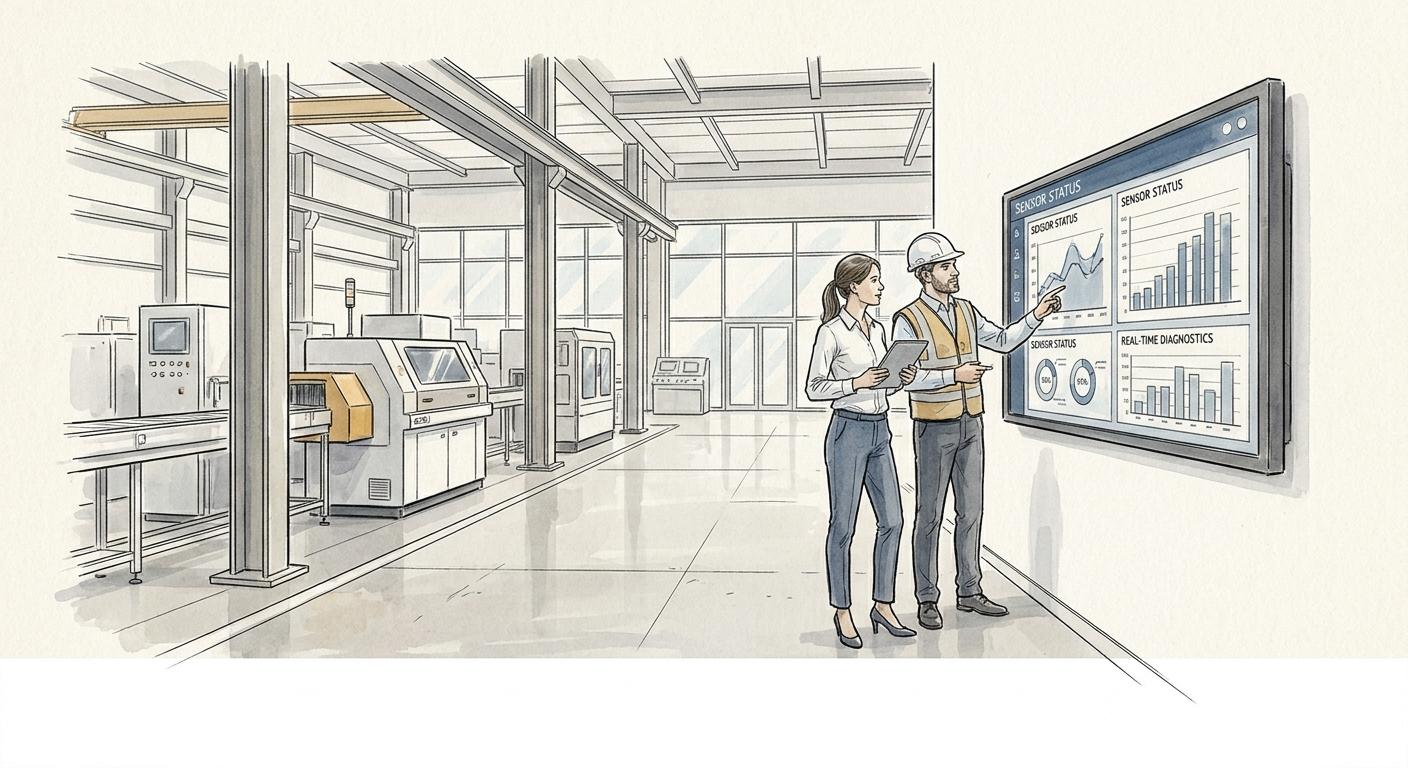
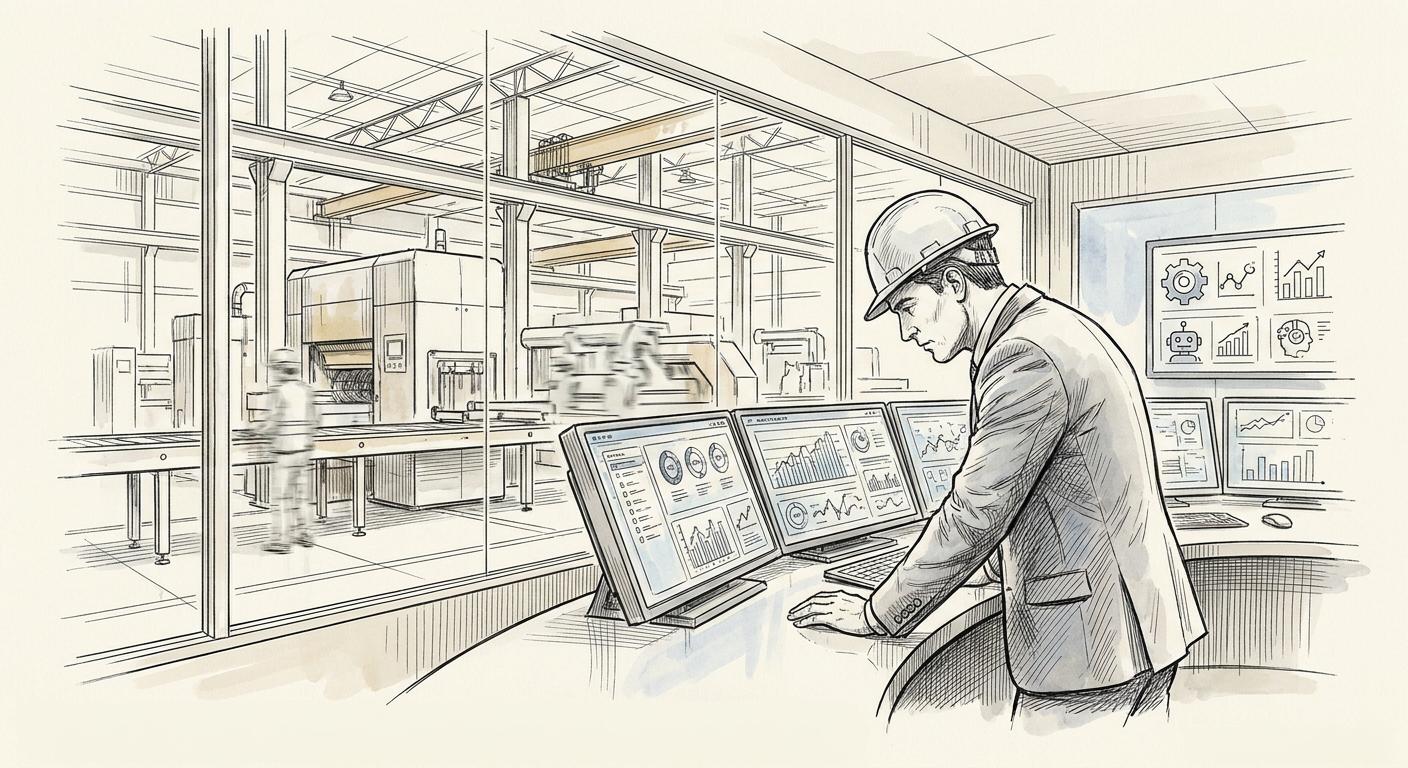
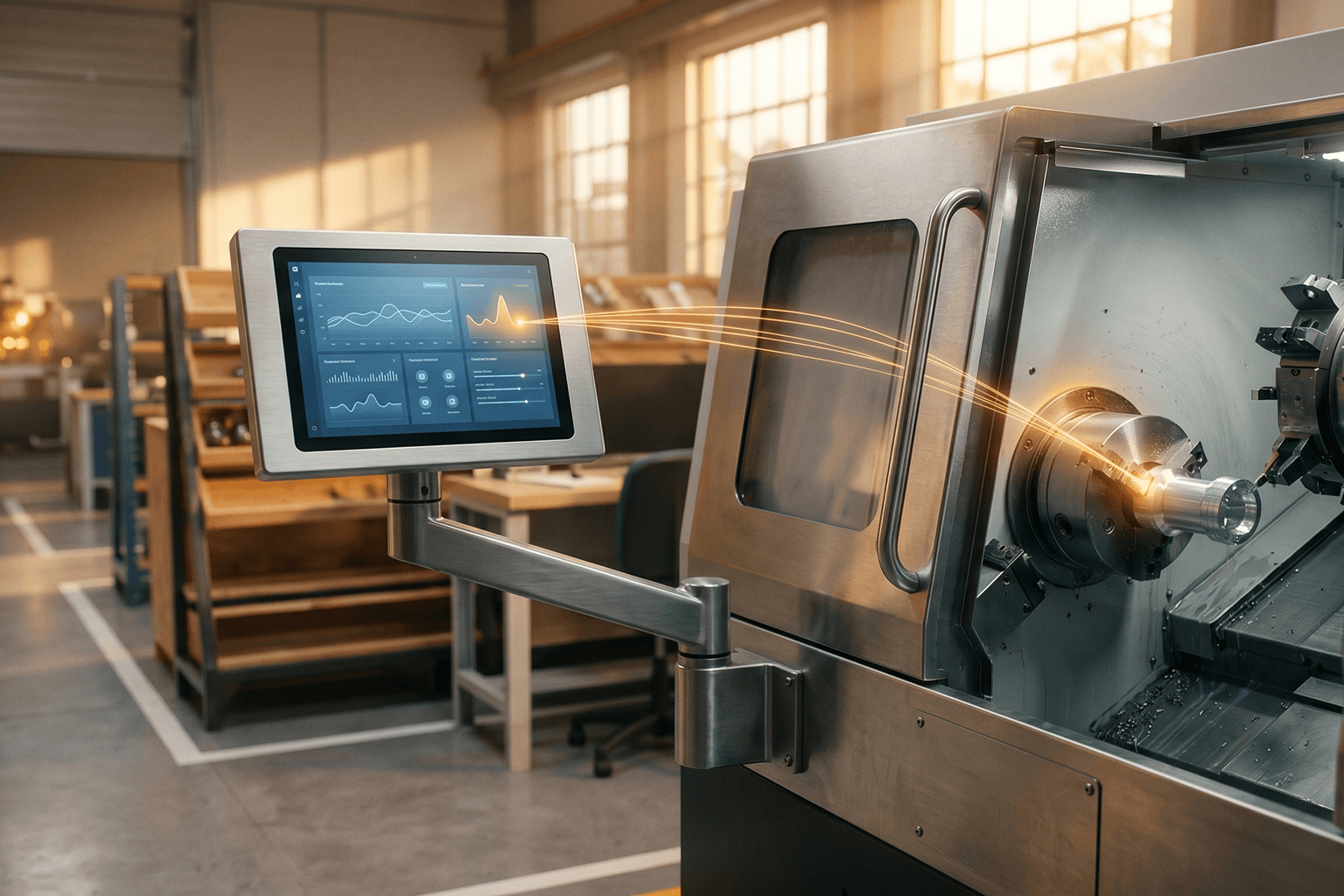
The most common objection to industrial AI implementation is the perceived need for a total equipment overhaul. In reality, predictive maintenance for aging machinery starts with non-invasive sensors - vibration, thermal, and acoustic - that sit on top of your existing assets. These "edge" devices ingest high-frequency data that legacy PLCs (Programmable Logic Controllers) were never designed to handle.
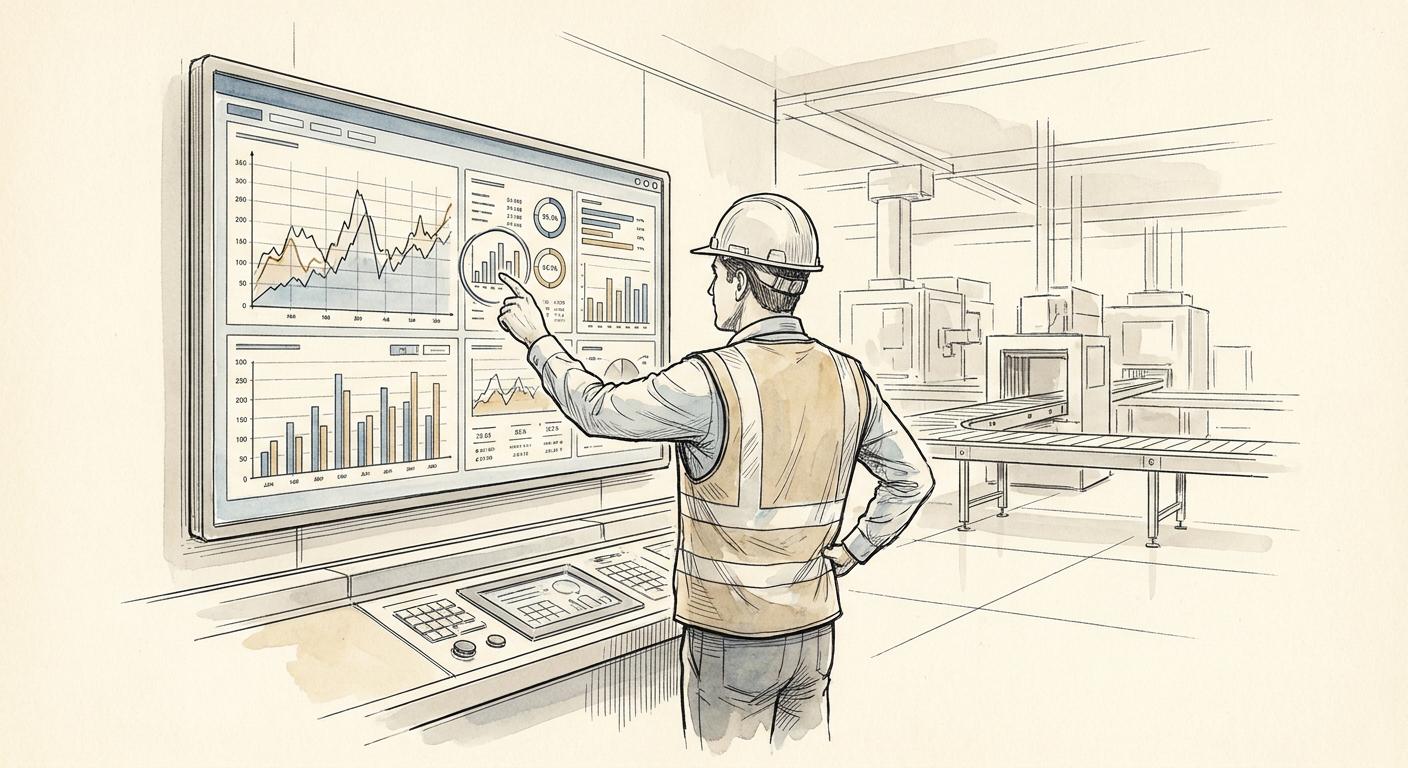
By focusing on high-frequency vibration data, AI models can detect bearing wear or misalignment weeks before a human operator notices a change in sound or temperature. This provides the lead time necessary to schedule repairs during natural changeovers rather than halting a live run. This approach avoids heavy CapEx while delivering the granular data needed to build an AI readiness foundation across the plant.
2. Bridging the ERP-MES Gap for Real-Time Maintenance Triggering
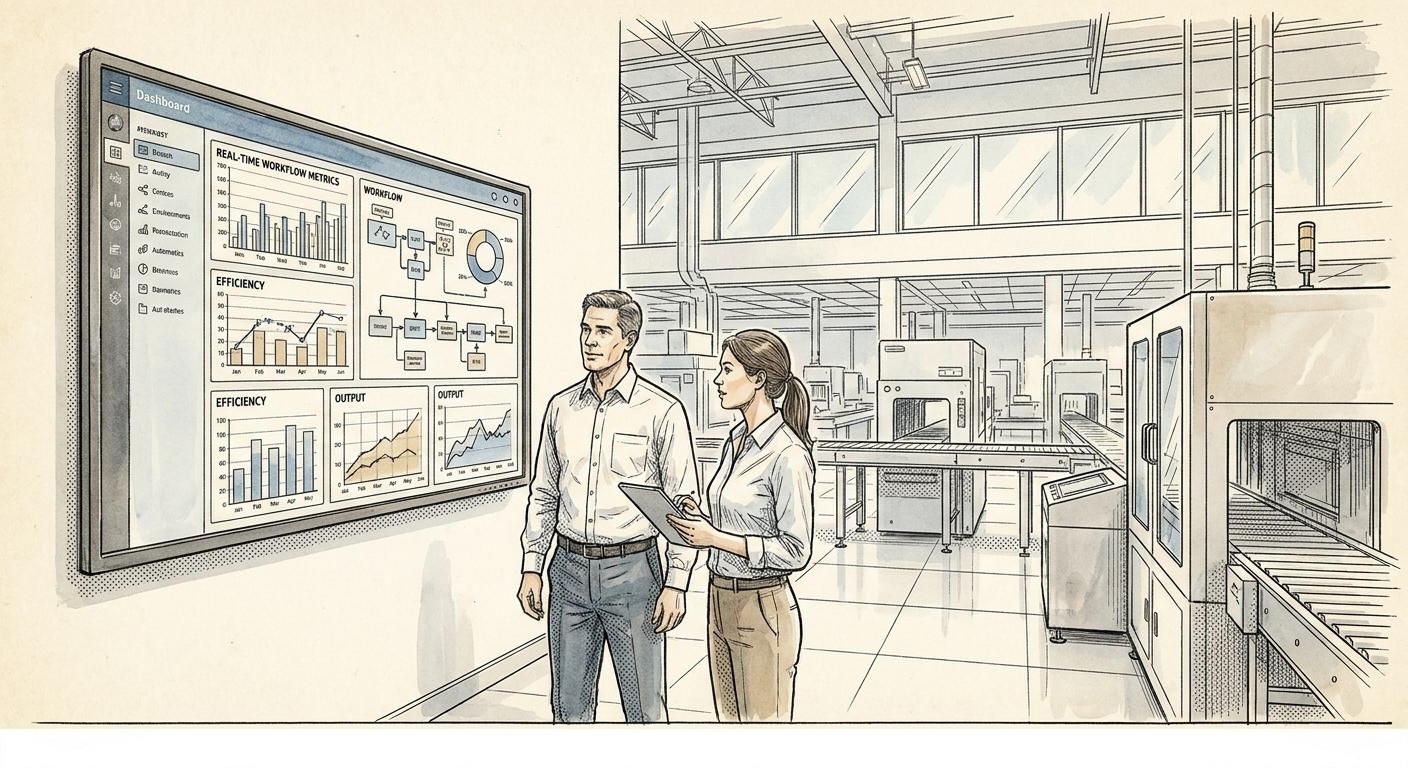
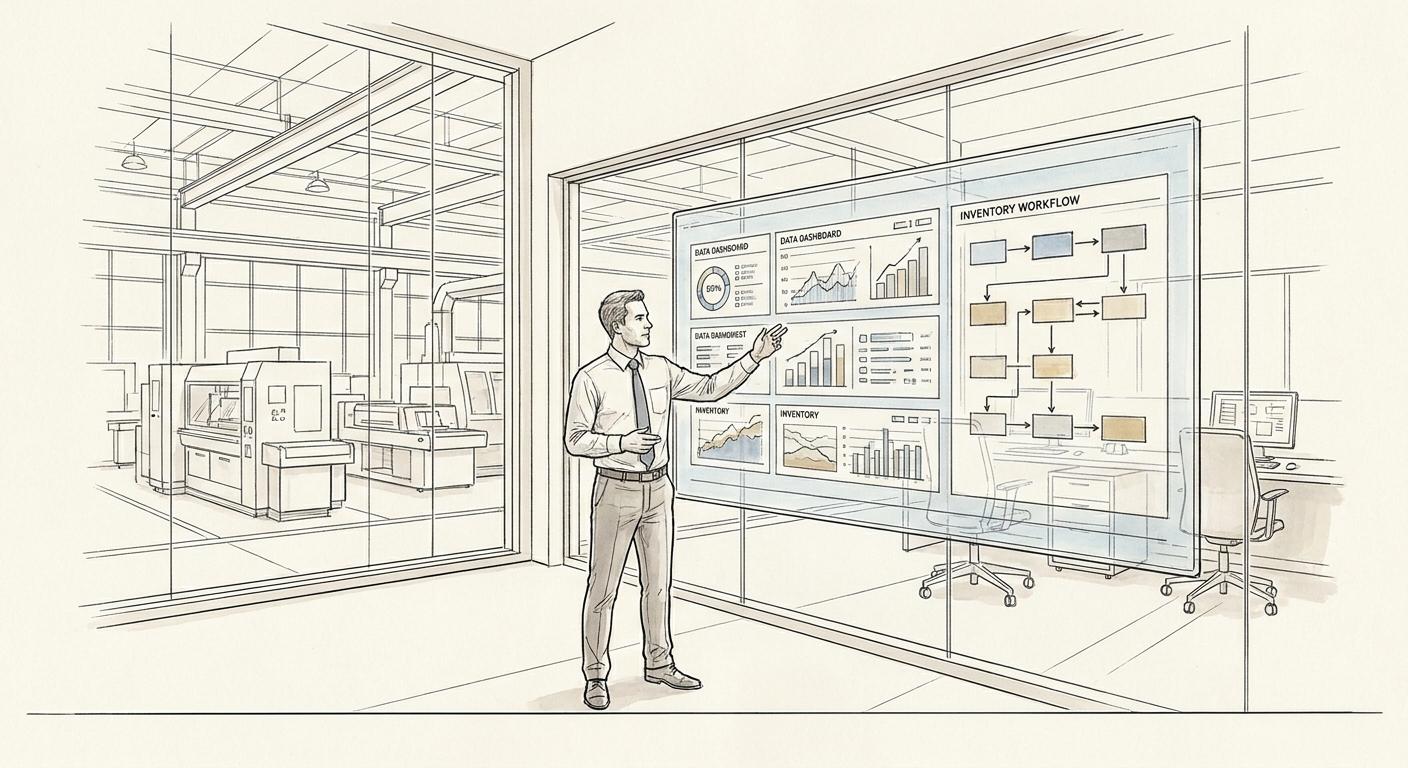
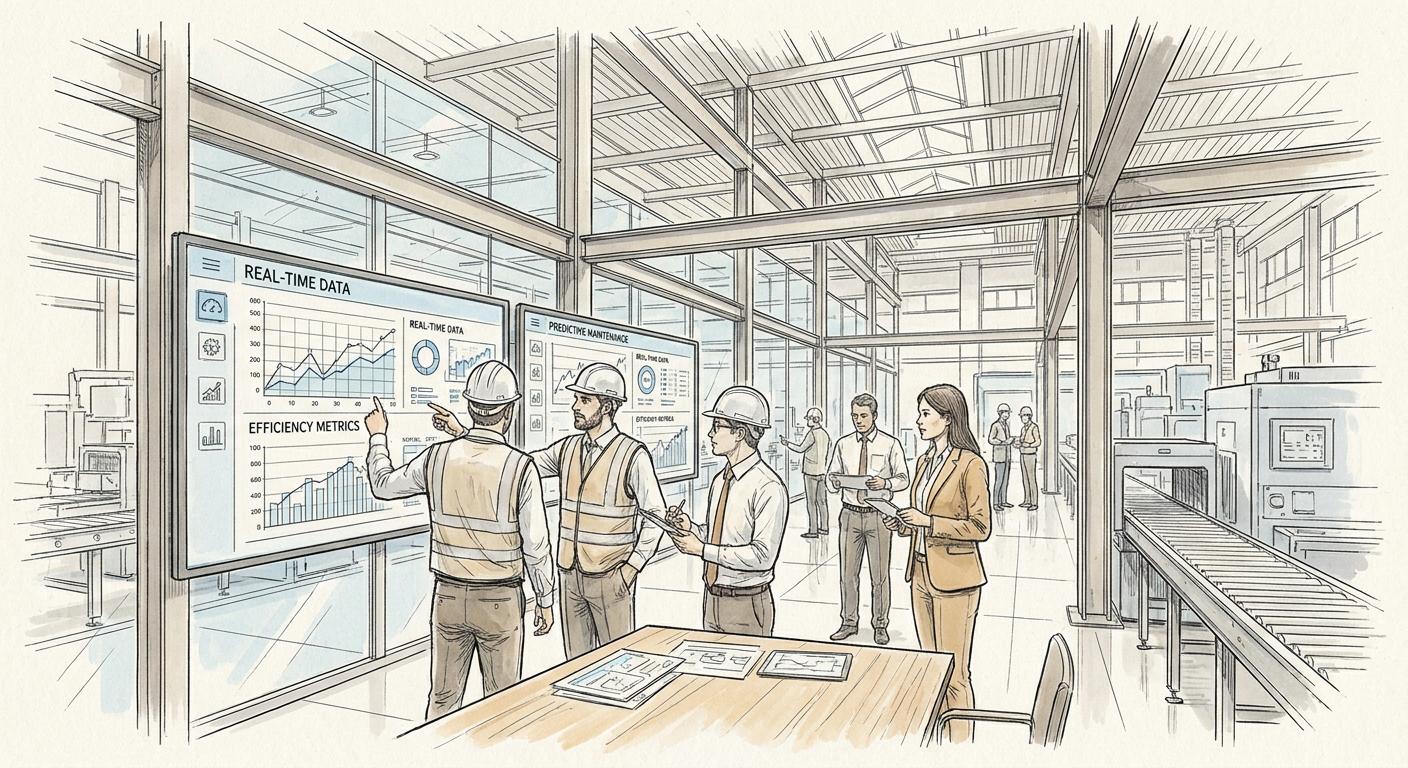
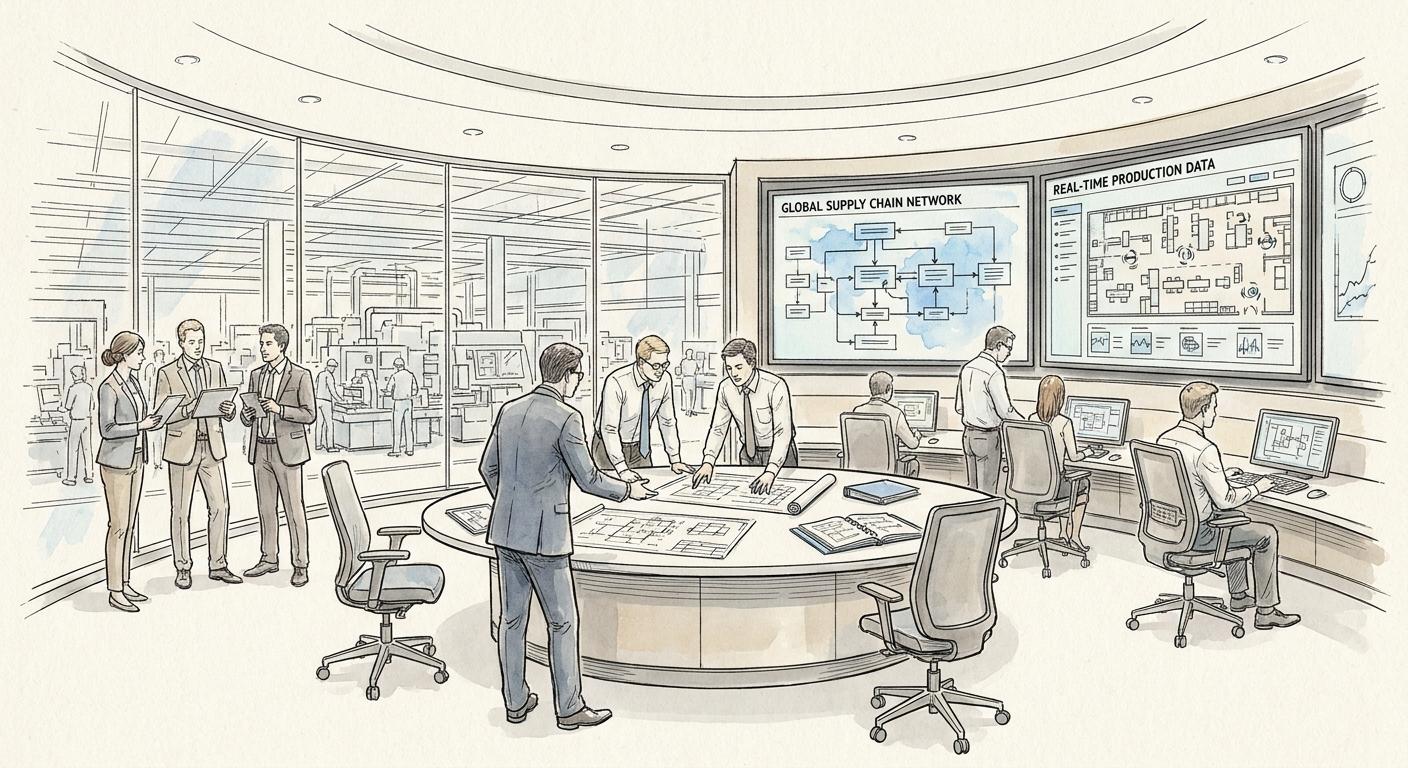
A significant cause of delayed execution truth is the disconnect between the plant floor and the back office. Often, an AI tool identifies a risk, but that insight dies in a dashboard because it isn't integrated into the ERP-MES workflow. For AI to drive EBITDA improvement, the alert must automatically generate a work order in your existing CMMS (Computerized Maintenance Management System) or ERP.
When the AI detects a deviation in motor torque, it should trigger an automated "check-engine" task for the next shift lead. This ensures that the insights from your AI-driven maintenance strategies are operationalized immediately. At iForAI, we have seen that connecting these data silos can reduce manual customer service effort by 60% because the production team can provide accurate, real-time updates on equipment status and order timelines.
3. Automated Root Cause Analysis (RCA) to Eliminate 'Ghost' Downtime
"Ghost" downtime refers to those repetitive, short-duration stops that operators simply reset without logging. Over a month, these stops can account for a 5-8% drop in OEE. AI-driven Root Cause Analysis (RCA) uses pattern recognition to correlate these micro-stops with specific variables - such as a specific raw material batch, humidity levels, or a particular shift's operating style.
Instead of a technician guessing why a wrapper is jamming, the AI identifies that the jam only occurs when the ambient temperature exceeds a certain threshold. By identifying these hidden correlations, COOs can implement permanent fixes rather than temporary workarounds, directly addressing the margin leakage that erodes bottom-line performance.
4. Spare Parts Inventory Optimization via Demand Forecasting
Carrying millions of dollars in "just-in-case" spare parts is a drag on working capital. However, the alternative - waiting three weeks for a critical component from overseas - is worse for exit readiness. AI bridges this gap by connecting maintenance predictions to your supply chain strategy.
When the AI increases the probability of a gearbox failure from 5% to 80% over the next 60 days, the procurement system can automatically trigger a purchase order for the specific parts needed. This "just-in-time" approach to maintenance spares reduces the capital tied up in inventory while ensuring you are never caught off guard by a long-lead-time part failure.
5. Upskilling the Shop Floor: AI as a 'Co-Pilot' for Technicians
The manufacturing sector faces a chronic skilled labor shortage. Senior technicians who "know the machines by feel" are retiring, and junior hires lack the tribal knowledge to troubleshoot complex issues. AI acts as an institutional memory bank, providing upskilling through interactive work instructions.
By feeding technical manuals, past repair logs, and sensor data into a localized AI model, a junior technician can ask, "What usually causes a pressure drop on Line 4?" and receive a step-by-step diagnostic guide. This reduces the time-to-value for new hires and ensures that standard work is followed, regardless of who is on the shift. iForAI’s experience training over 1,500 employees shows that this human-in-the-loop approach is what turns a software tool into a repeatable value creation engine.
6. Anomaly Detection for Critical Path Assets
Not all machines are created equal. A failure on a packaging line is a nuisance; a failure on a primary heat-treat furnace or a custom CNC bottleneck is a disaster for OTIF metrics. AI implementation should follow the "critical path" of your production flow.
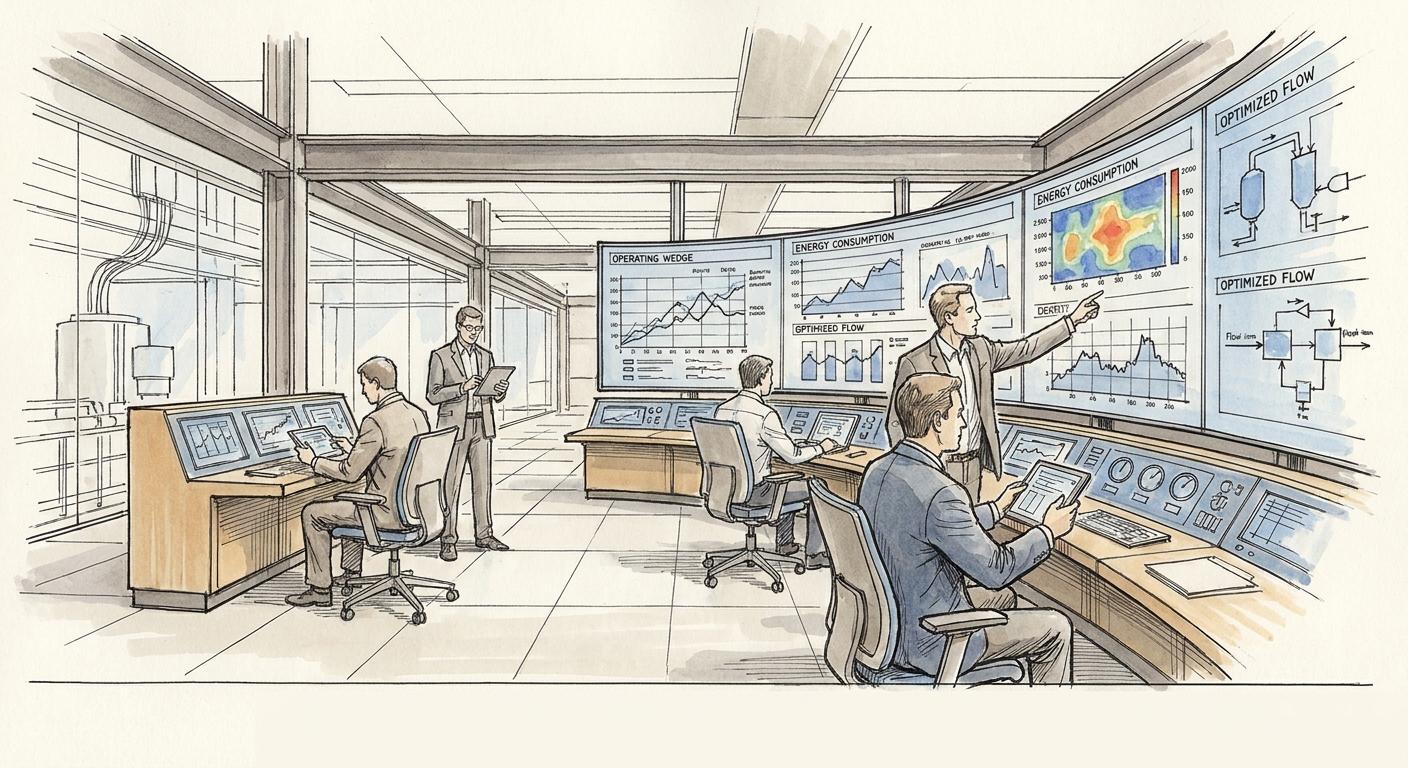
By deploying anomaly detection specifically on bottleneck assets, you ensure that your most constrained resources have the highest uptime. This targeted application of AI ensures that the operating leverage of the entire plant is protected. If the bottleneck doesn't stop, the plant doesn't stop. This focused strategy is the fastest way to see a measurable predictive maintenance ROI within the first 90 days of an engagement.
7. The 90-Day Implementation Roadmap: Moving from Pilot to Production
Most AI projects in manufacturing fail because they stay in "pilot purgatory." To achieve true value creation, you need a roadmap that moves from data ingestion to production-grade deployment quickly. The iForAI methodology focuses on delivering a live, production-use case in 8-12 weeks.
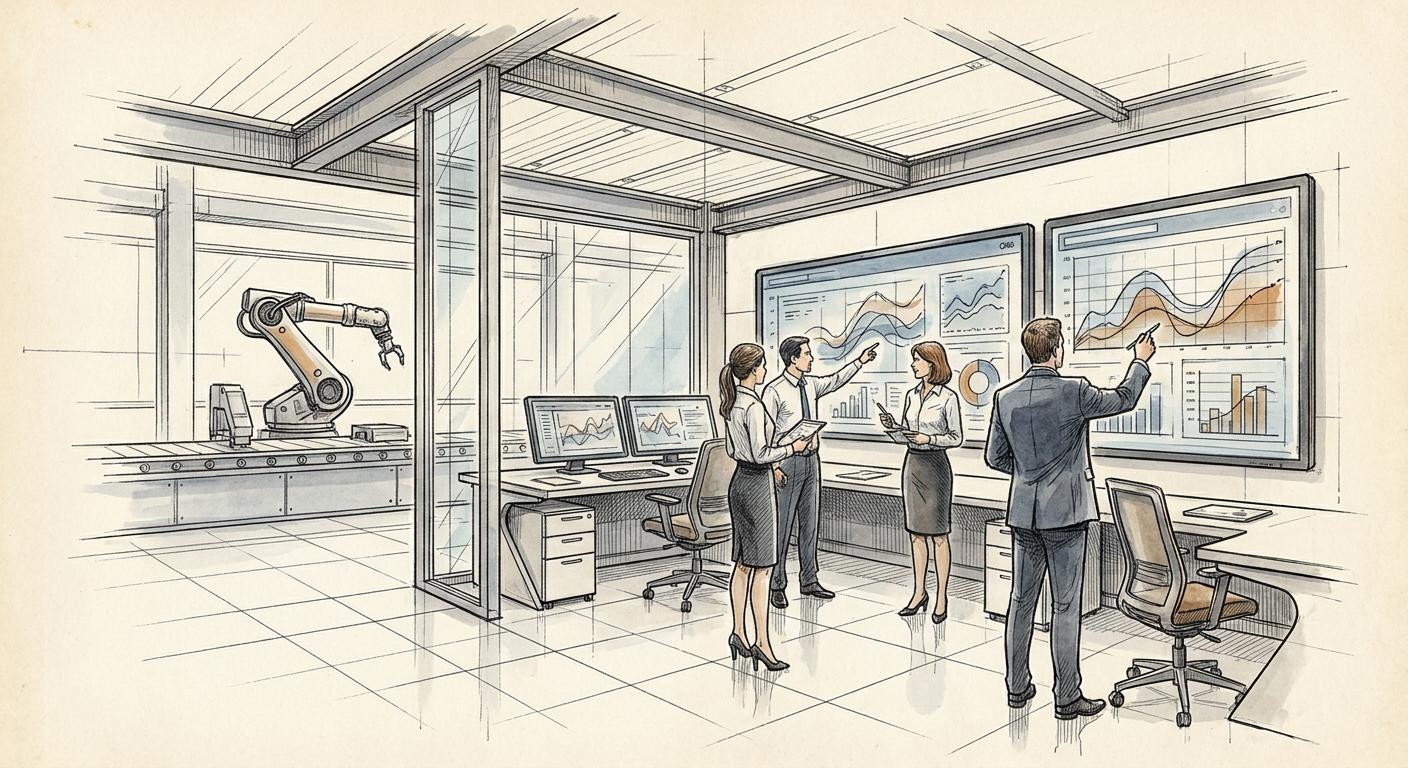
The process begins with a diagnostic of your current AI maturity, followed by the selection of a single high-impact asset. By proving the model on one bottleneck, you create the internal buy-in necessary for a portfolio-wide rollout. This staged approach minimizes risk for Private Equity partners while accelerating the timeline for EBITDA improvement and eventual exit.
FAQ
How to reduce unplanned downtime in mid-market manufacturing? Reducing unplanned downtime requires moving from reactive repairs to a data-driven predictive model. By installing edge sensors on bottleneck assets and using AI to analyze vibration and thermal patterns, COOs can identify failure risks 2-4 weeks in advance. This allows maintenance to be scheduled during planned downtime, protecting OTIF and margins.
What are the primary AI use cases for manufacturing COOs? The most impactful AI use cases include predictive maintenance, automated root cause analysis, and spare parts inventory optimization. These applications directly address margin leakage by reducing equipment failures and optimizing working capital. Additionally, AI-driven work instructions help bridge the skilled labor gap on the shop floor.
How much does unplanned downtime cost the average mid-market manufacturer? Industry data suggests that unplanned downtime can cost between $10,000 and $25,000 per hour depending on the industry and product value. Beyond the immediate labor and repair costs, manufacturers face hidden expenses like expedited shipping fees to meet customer deadlines and long-term damage to customer trust.
Can AI maintenance work with legacy machines? Yes, AI maintenance is highly effective on legacy equipment through the use of external sensors that do not require integration with the machine's internal software. These sensors feed data to an external AI layer, providing modern diagnostic capabilities without the need for expensive new CapEx or equipment replacement.
Integrating AI into your maintenance strategy is no longer a luxury - it is a requirement for maintaining margins in a high-cost environment. By focusing on the critical path and upskilling your existing workforce, you can turn maintenance from a cost center into a competitive advantage.
Book a Manufacturing Diagnostic at ifor.ai/solutions/manufacturing