.svg)

Most mid-market plant managers and COOs operate in a rearview mirror, relying on month-end reports to understand margin leakage that happened weeks ago. This delay in real-time COGS visibility means that by the time you spot a spike in material scrap or a labor inefficiency on Line 4, the EBITDA hit is already permanent. This article explores how combining AI-driven process mining with industrial sensor data integration provides the sub-second financial clarity needed to prevent waste before it clears the shop floor.
Real-time COGS visibility is the continuous, automated tracking of direct materials, labor, and overhead costs during the production cycle, rather than calculating them after month-end closing. It enables manufacturers to see the financial impact of every production shift instantly, rather than waiting for accounting reconciling.
The Blind Spot: Why Standard Costing Fails Mid-Market Manufacturers
Standard costing was built for stable environments, but modern manufacturing is anything but stable. When a 150-employee Tier 2 automotive supplier relies on "planned" versus "actual" costs derived from spreadsheet downloads, they miss the delayed execution truth. Variance analysis at the end of the quarter is a post-mortem, not a management strategy.
For Private Equity operating partners, this lag creates a valuation risk. If a portfolio company cannot pinpoint why margins dipped mid-month, they lose the ability to apply an operating wedge that protects the investment thesis. Standard ERP systems often lack the granular connectivity to record exactly how much resin was purged during a machine changeover or how many kilowatt-hours were consumed during a specific high-intensity run. This gap leads to "averaged" margins that hide the most profitable - and most wasteful - activities.
Phase 1: Closing the Data Gap with Sensor Integration
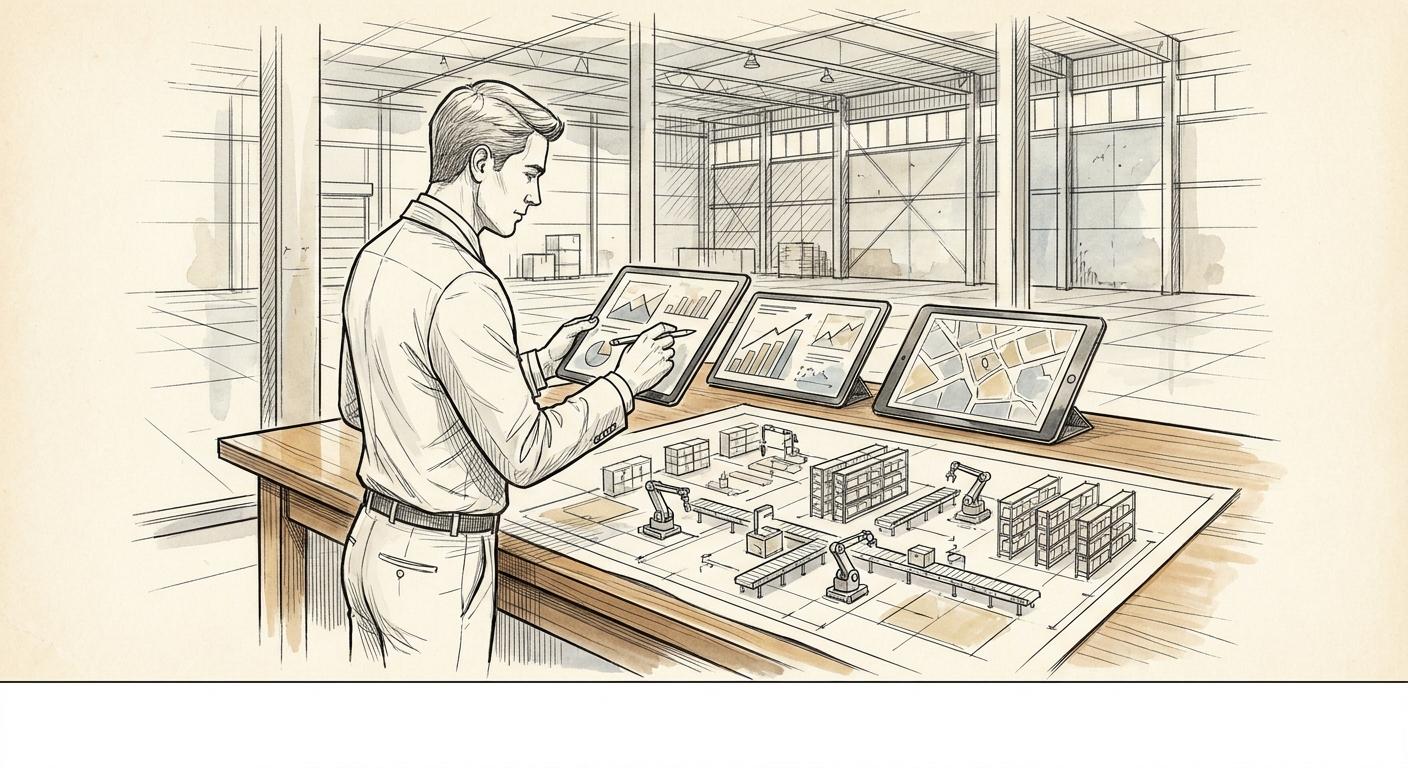
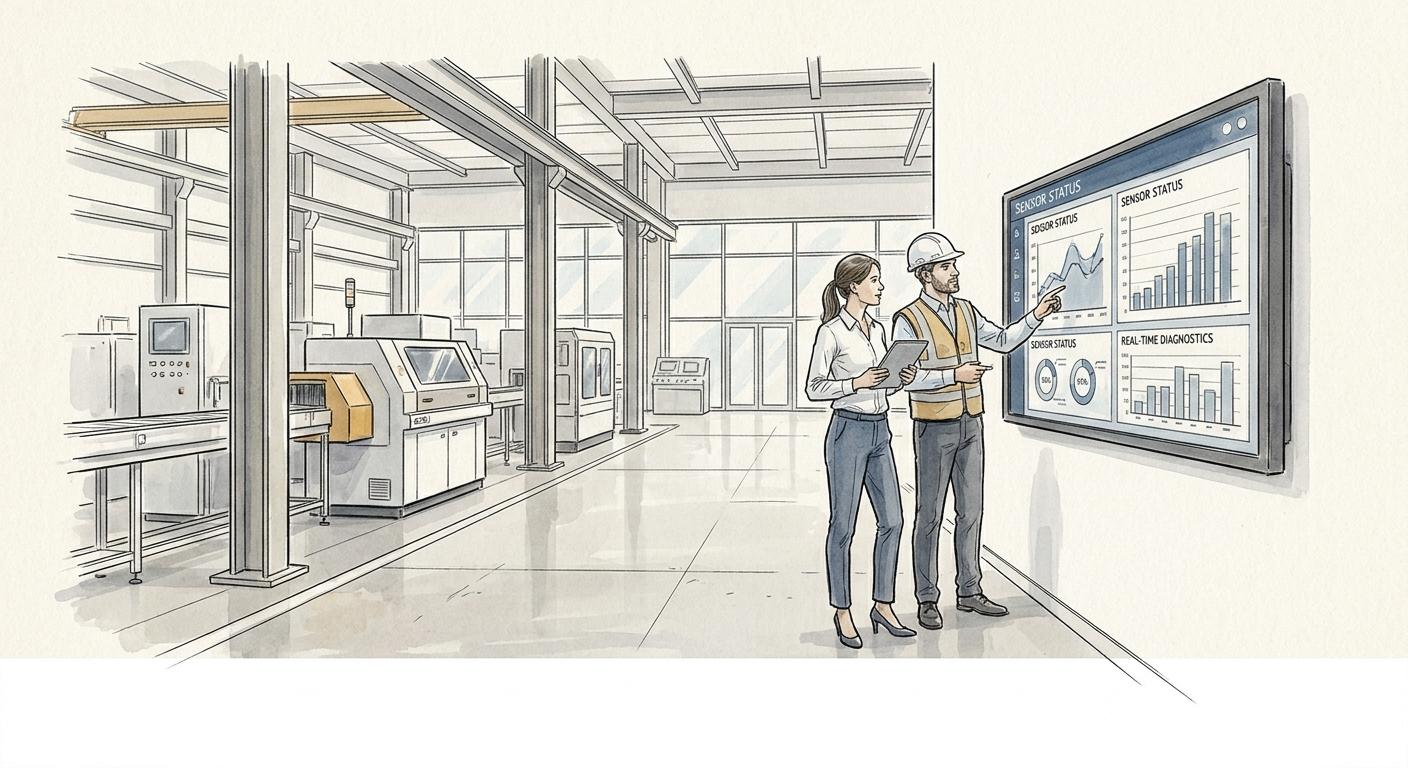
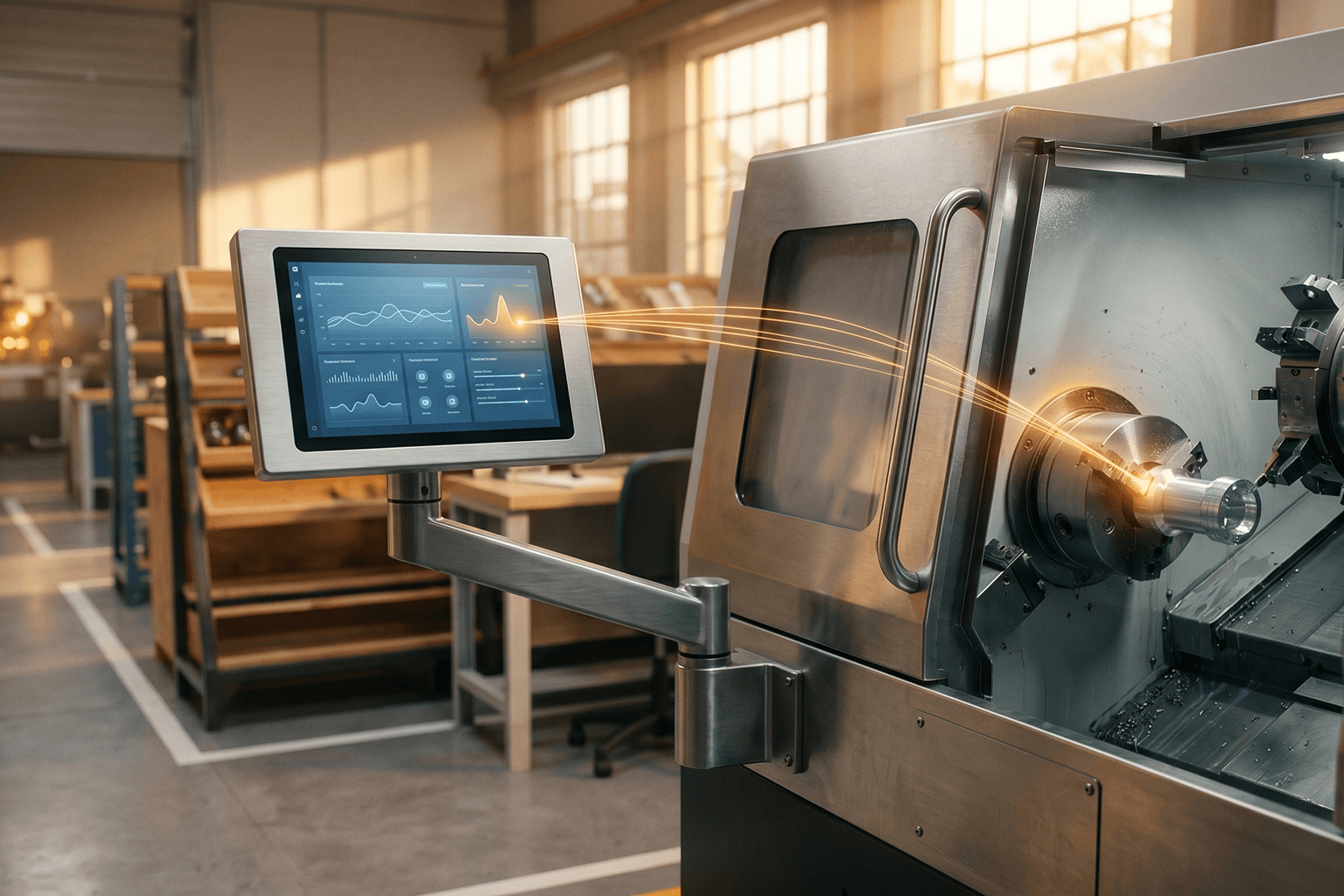
Achieving financial visibility starts at the machine level, not the ledger level. Industrial sensor data integration involves pulling signals from PLCs (Programmable Logic Controllers) and IoT devices to track the physical reality of the factory floor. For a mid-sized facility, this doesn't require a "rip and replace" of the existing ERP.
Instead, the focus is on capturing three high-impact data points:
Machine State: Automated logging of uptime, downtime, and cycle speeds to calculate true labor and overhead allocation.
Material Throughput: Using flow meters or scales to measure actual material consumption against the Bill of Materials (BOM).
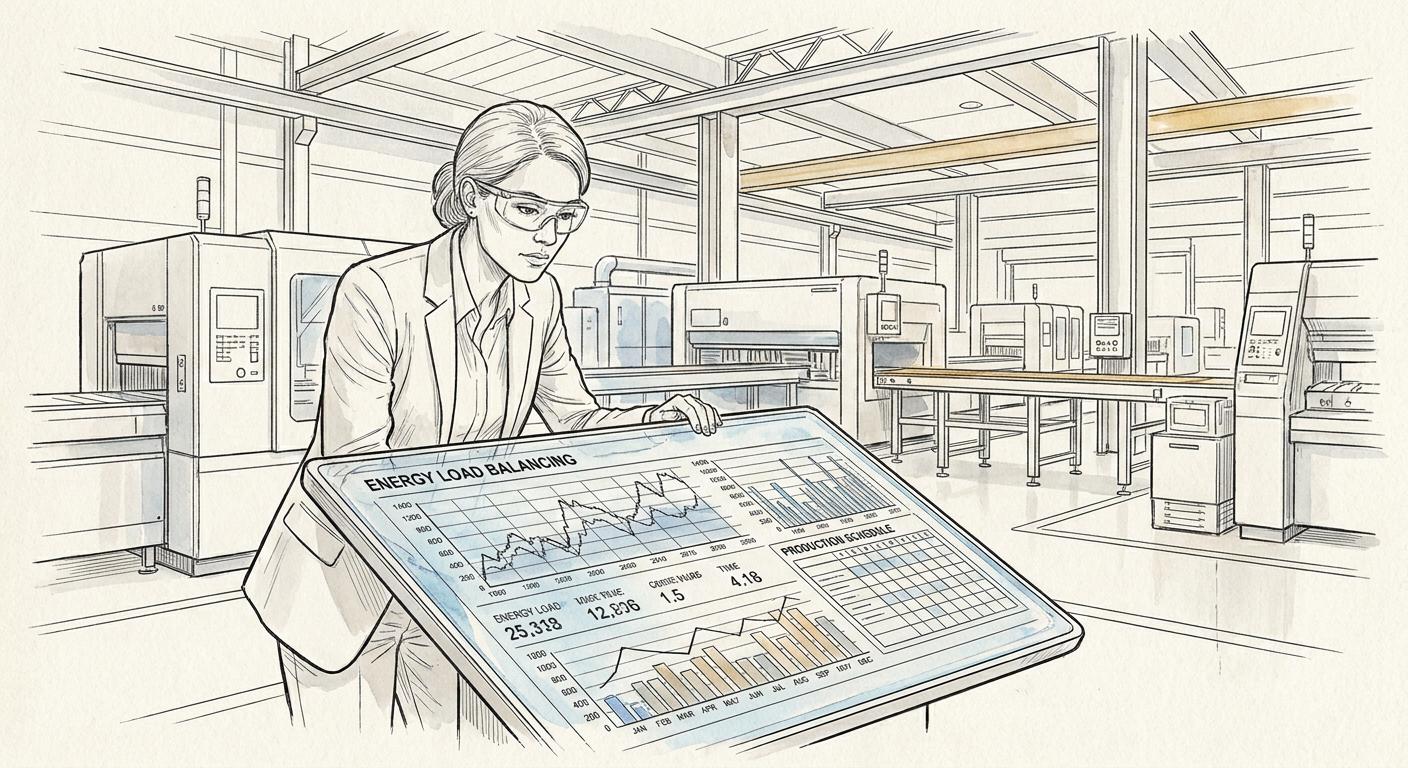
Energy Intensity: Tracking utility draws per unit produced to move "utilities" from a flat overhead bucket to a variable COGS line.
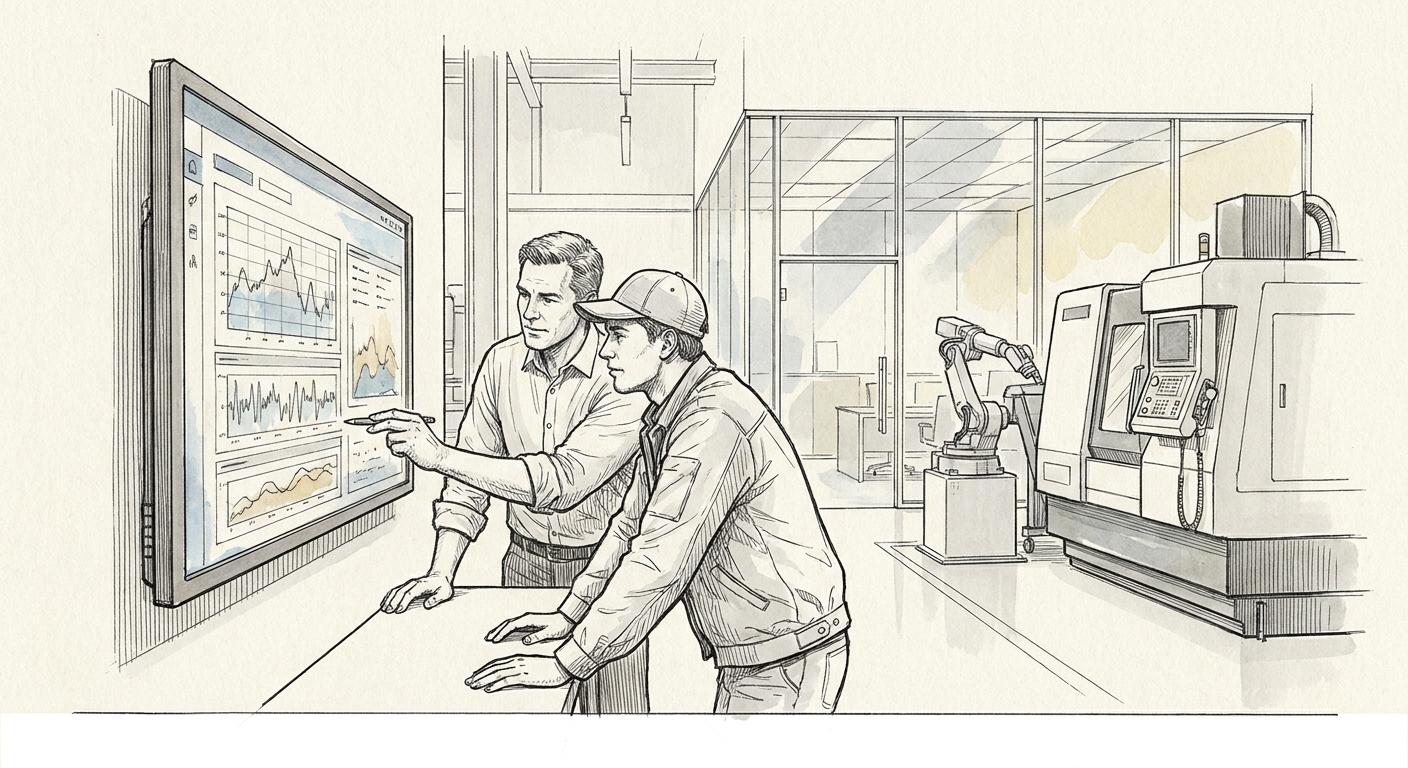
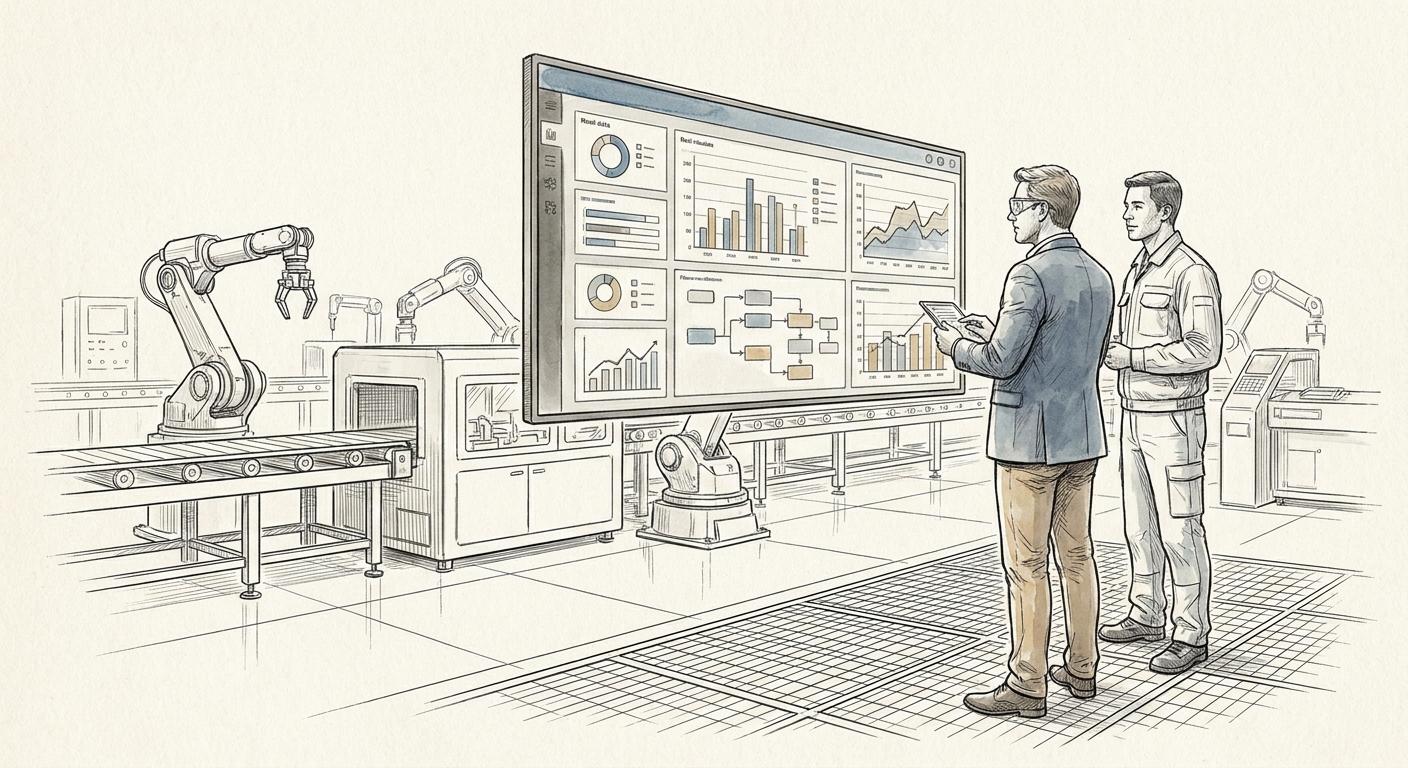
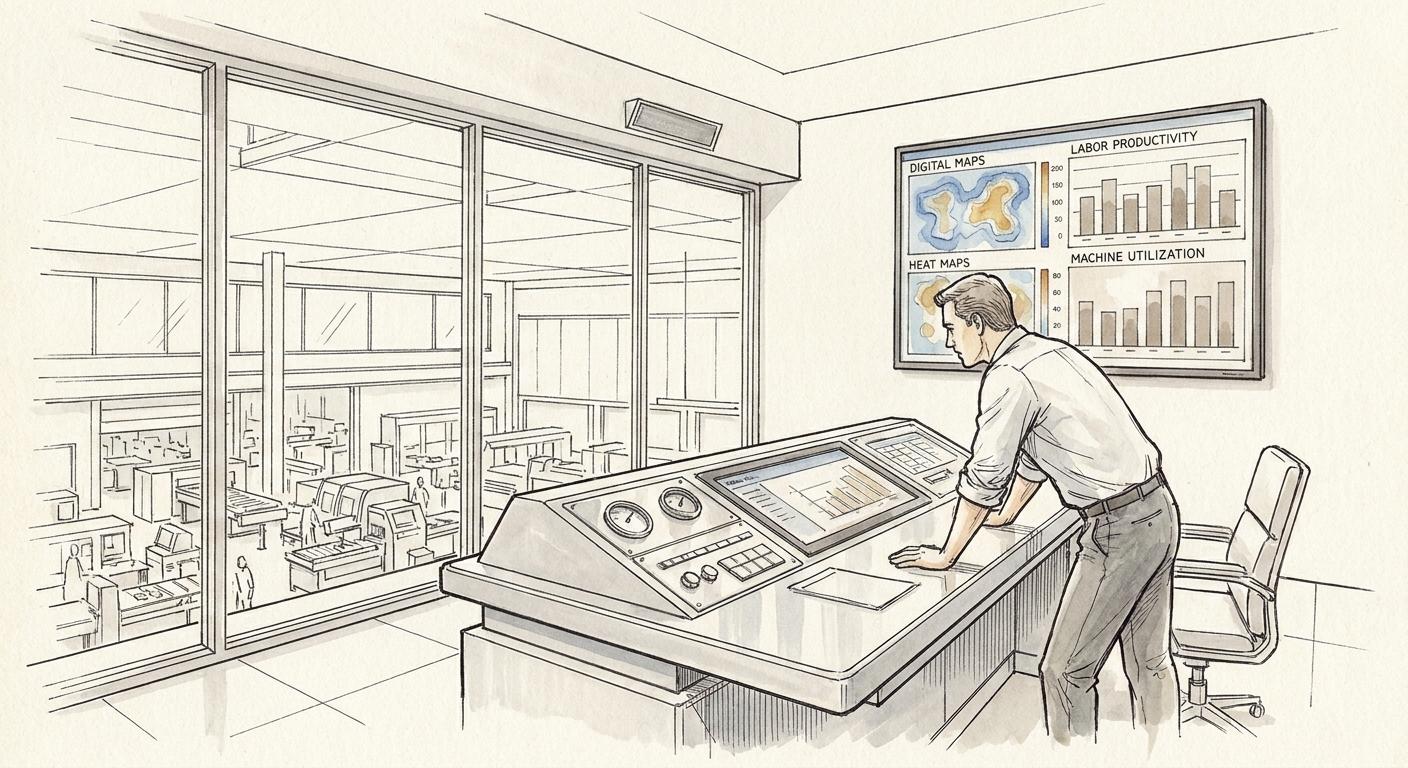
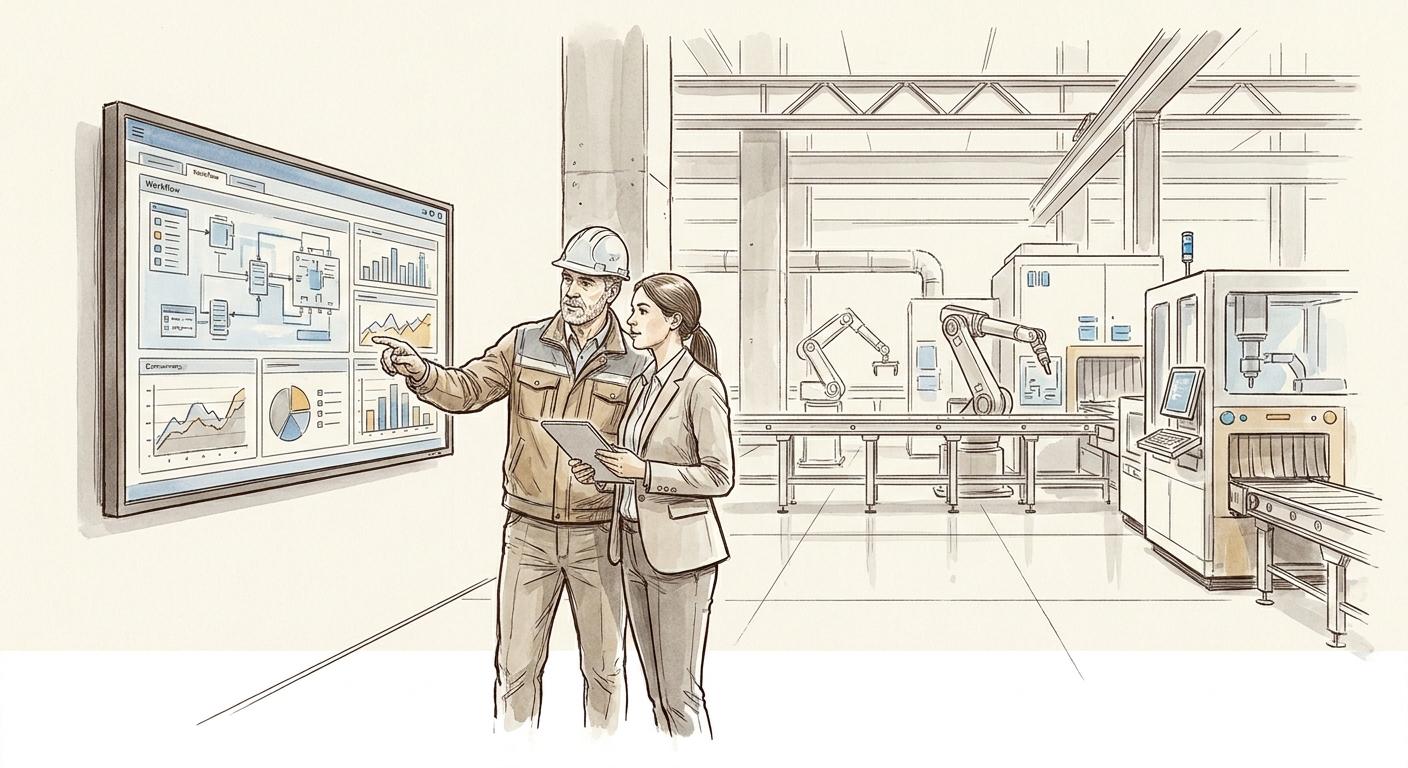
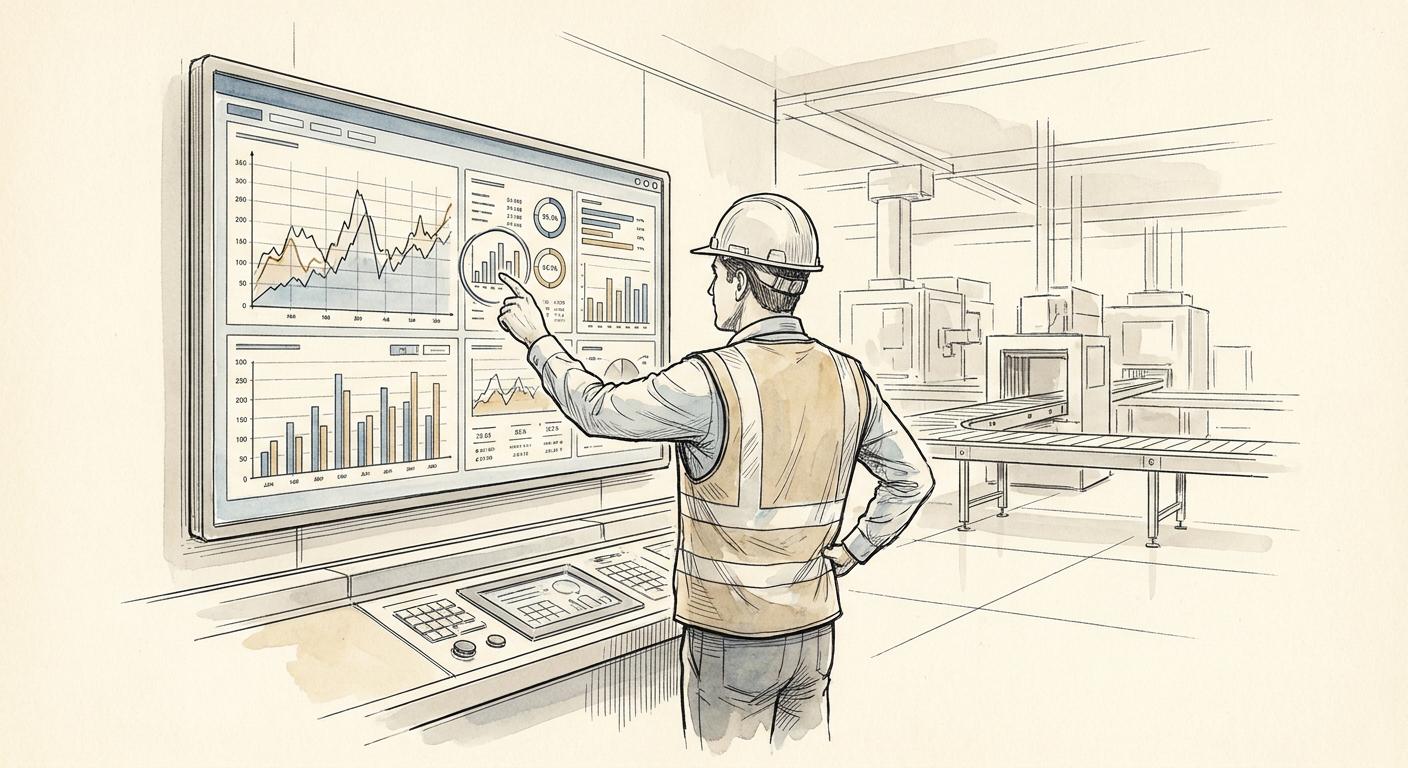
By syncing these signals, an operator in Ohio can see that a specific shift is burning 4% more raw material than the morning crew. This is the first step toward manufacturing waste reduction that actually hits the bottom line.
Phase 2: Applying AI Process Mining to Identify Hidden Waste
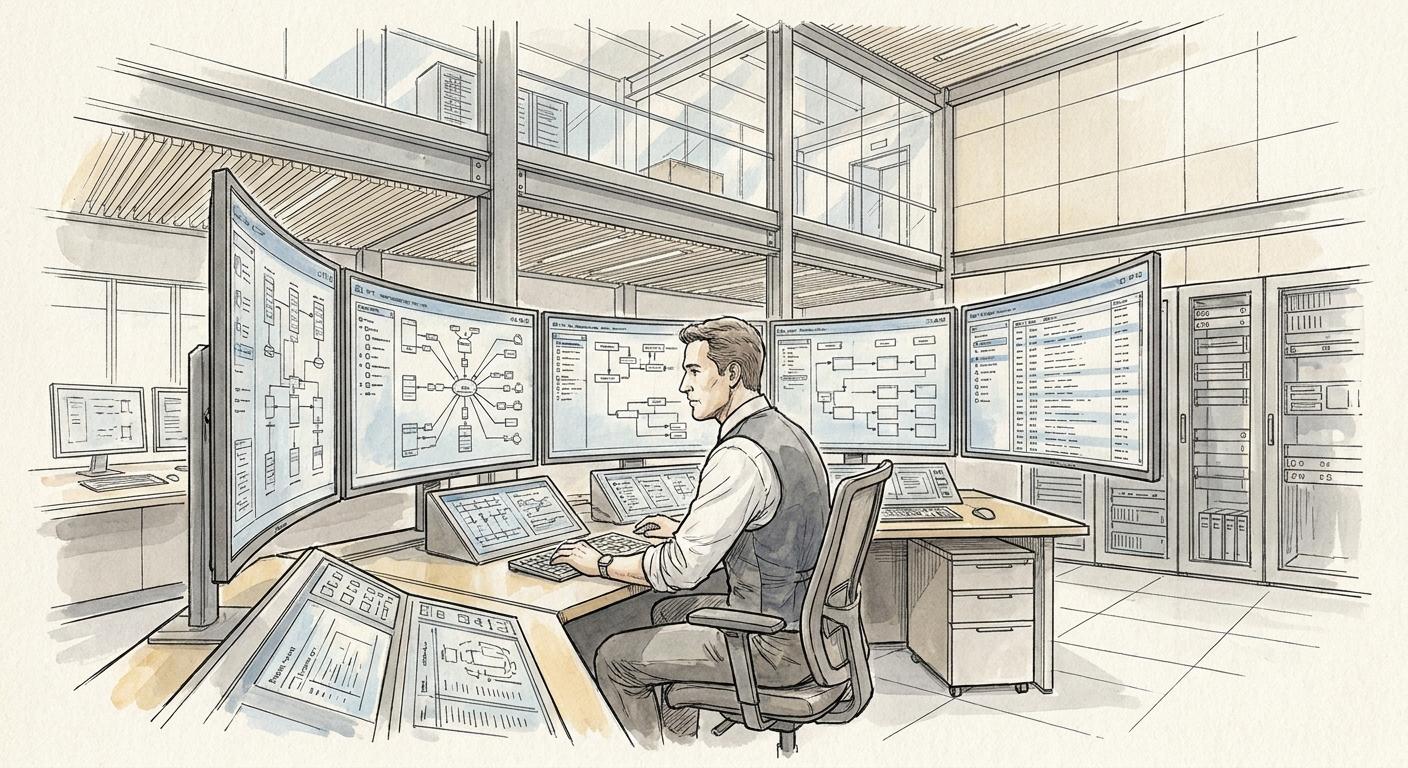
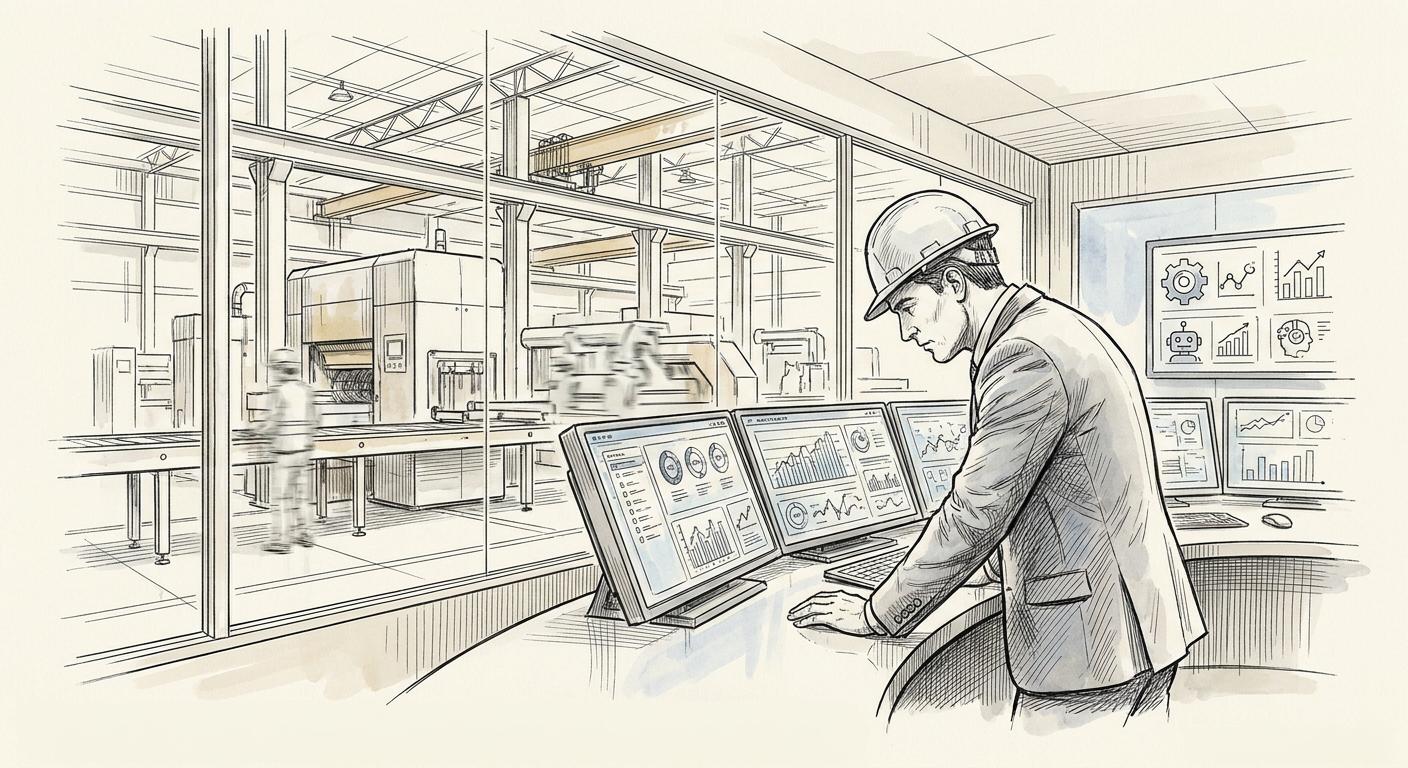
Once the data is flowing, AI-driven process mining acts as the digital supervisor. Traditional Lean Six Sigma relies on a consultant with a stopwatch taking snapshots of a process. AI does this 24/7 across every single production order.
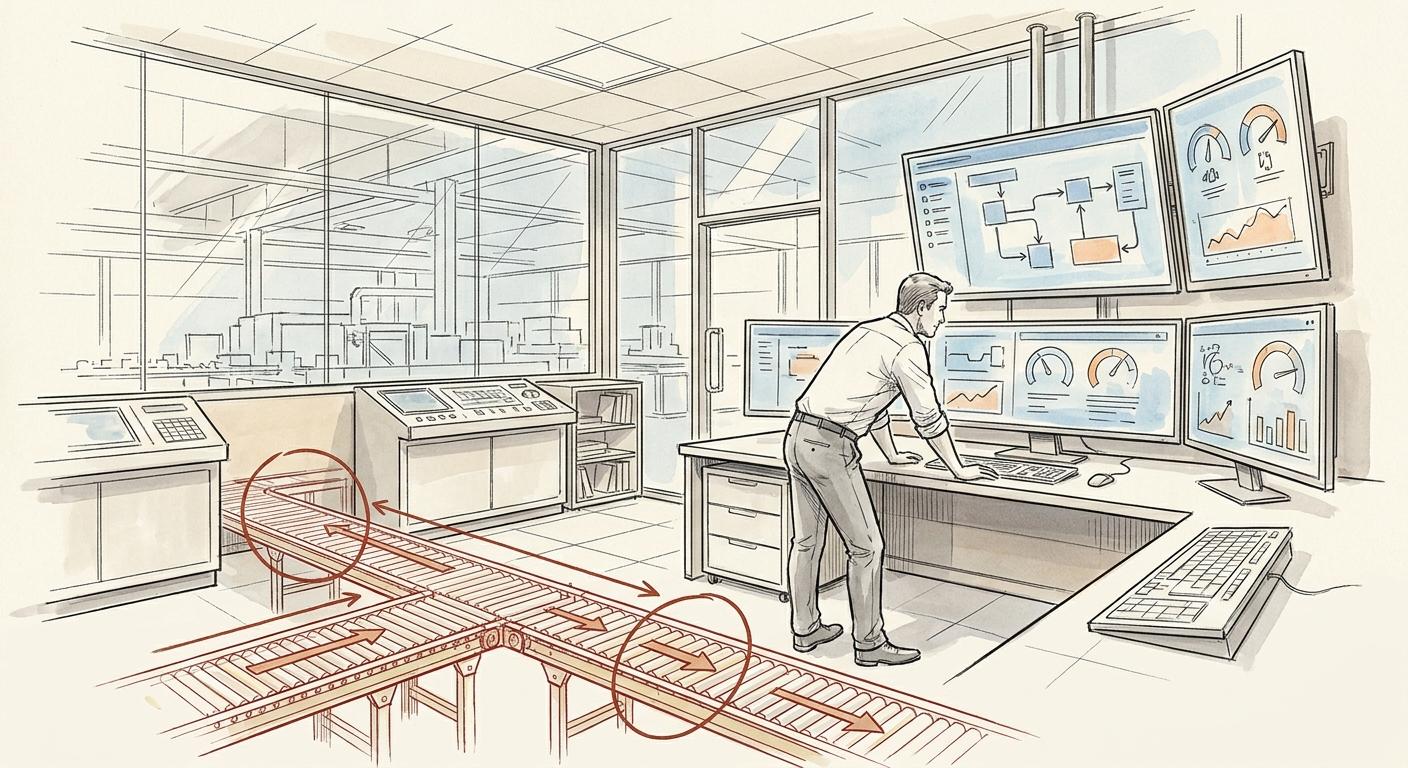
AI identifies the "happy path" of production and flags deviations that human eyes miss. For example, the software might discover that every Tuesday at 2 PM, cycle times increase by 12% because of a specific maintenance handover protocol. By identifying these variations, manufacturers often find an immediate quick win: reducing the 7% or more of material and time waste that typically disappears into "miscellaneous overhead."
This transition from manual audits to embedded AI monitoring allows the COO to fix the estimate-vs-actual gap in real time. If the actual cost of a job exceeds the estimate by more than 2%, the system triggers an alert before the job is finished, allowing for immediate floor-level intervention.
The iForAI 'Operating Wedge': Achieving Real-Time COGS in 8 Weeks
Capital-intensive digital transformations often fail because they try to solve every problem at once. The "Operating Wedge" methodology focuses on a single high-impact production line or a specific high-volume SKU. This narrow focus ensures a high time-to-value and proves the EBITDA improvement case to stakeholders within the first 60 days.
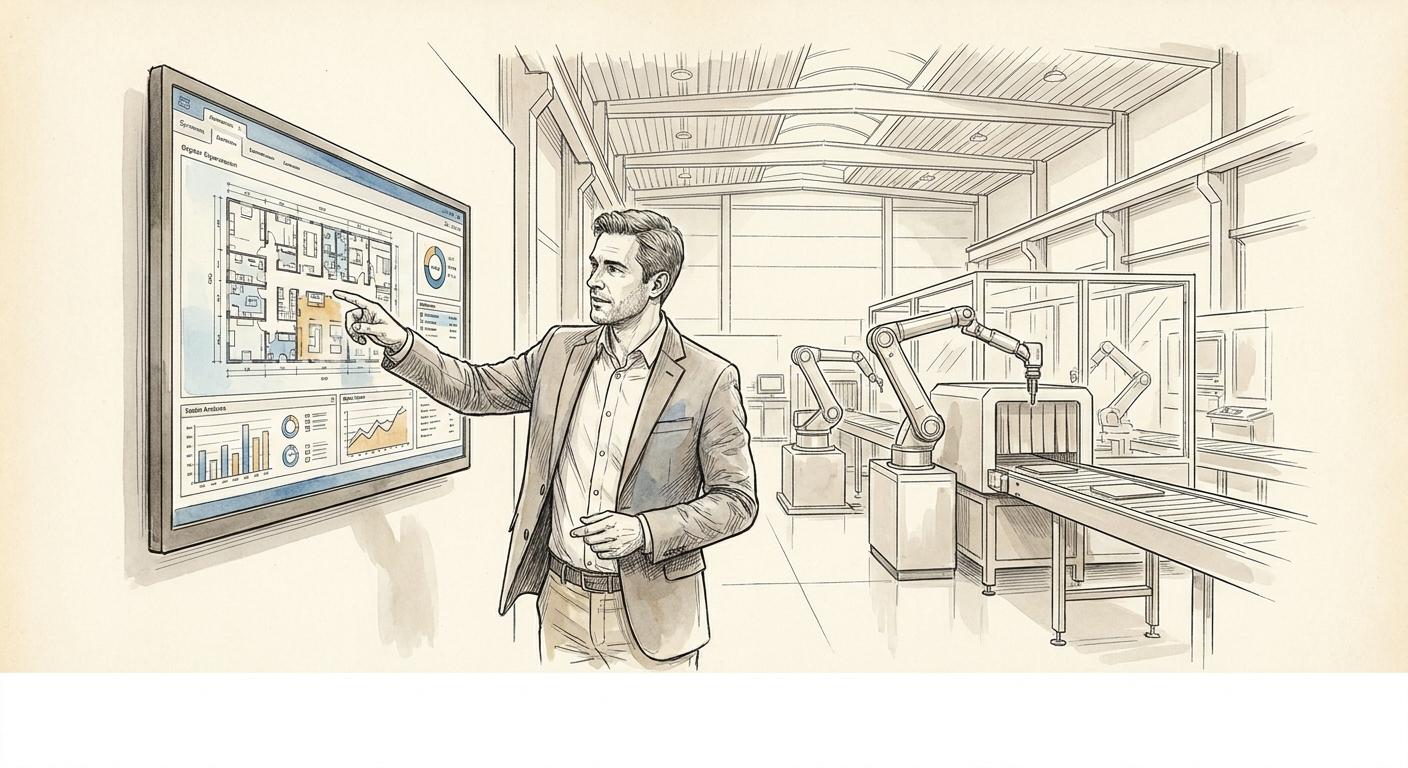
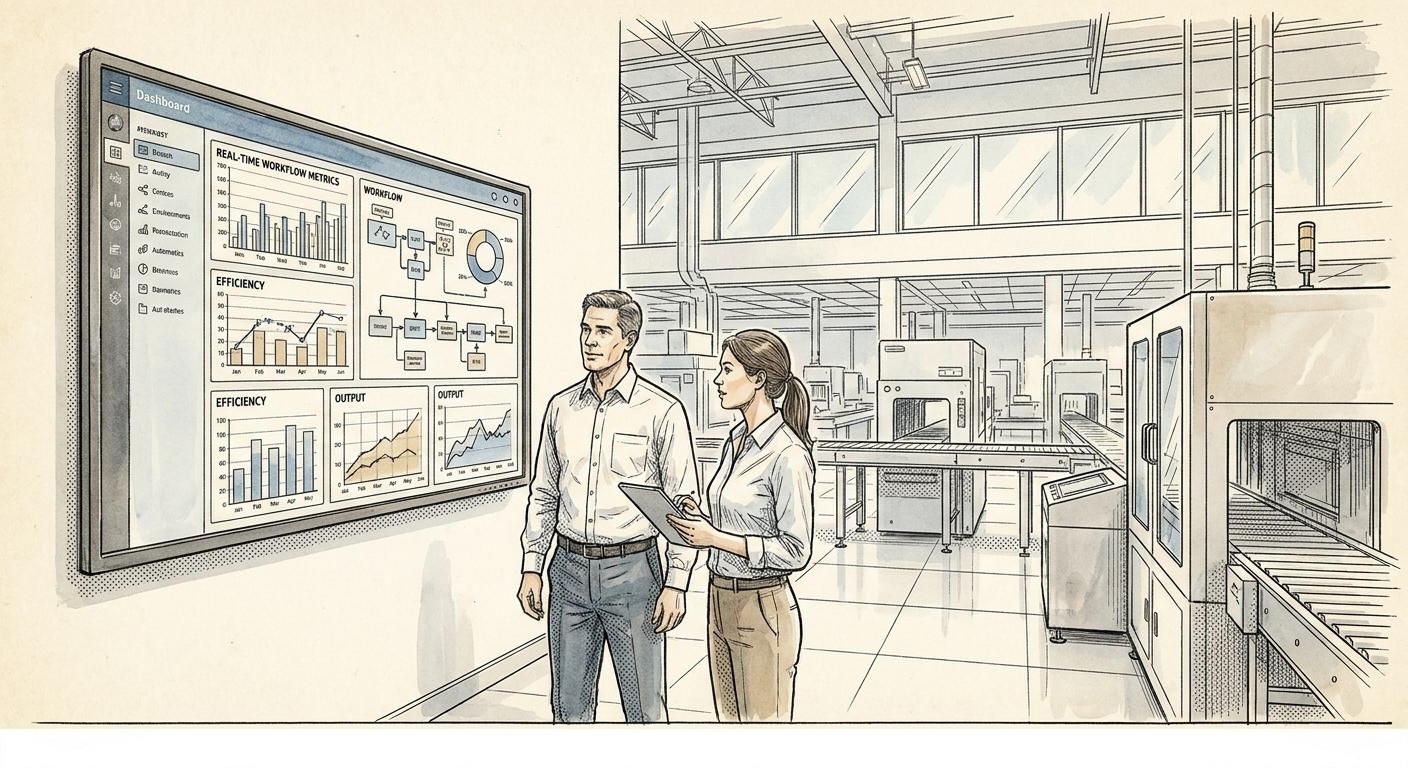
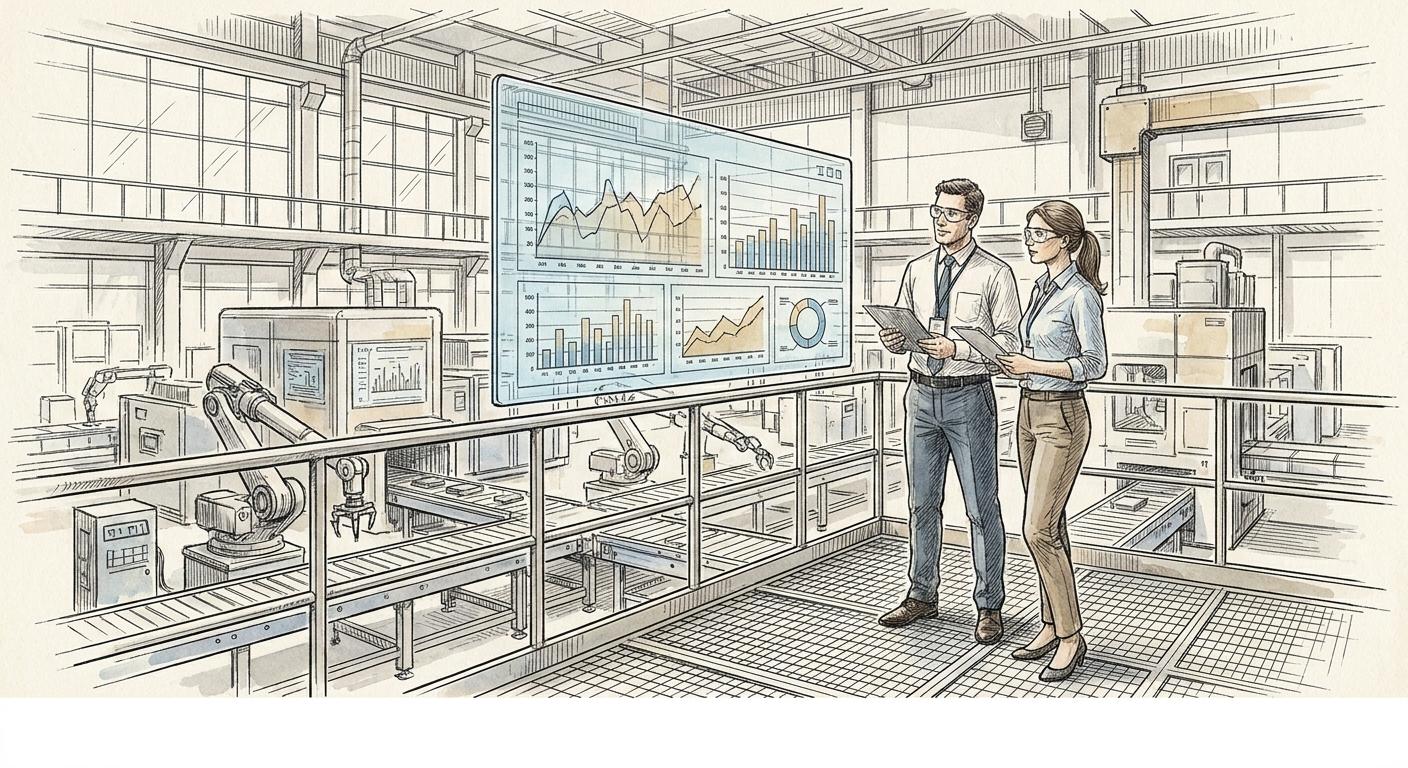
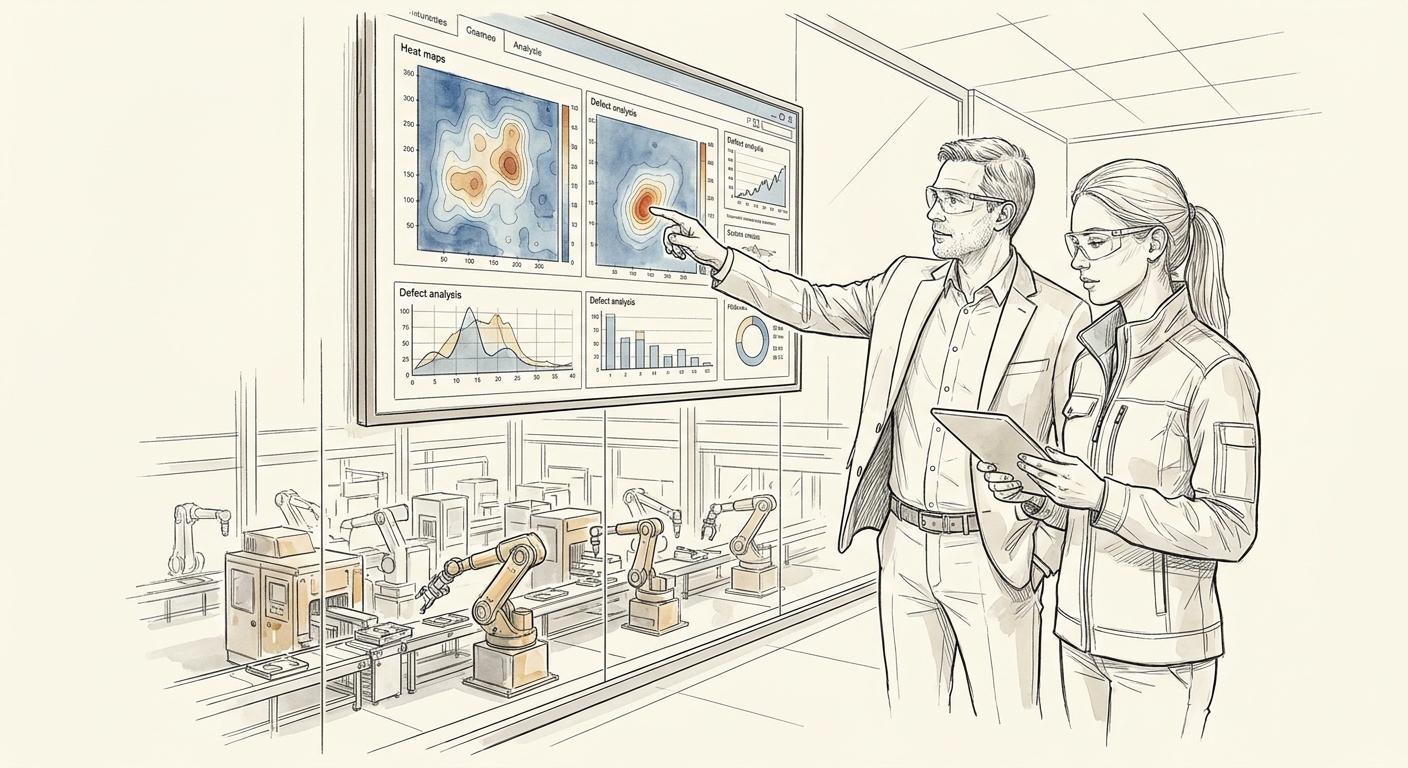
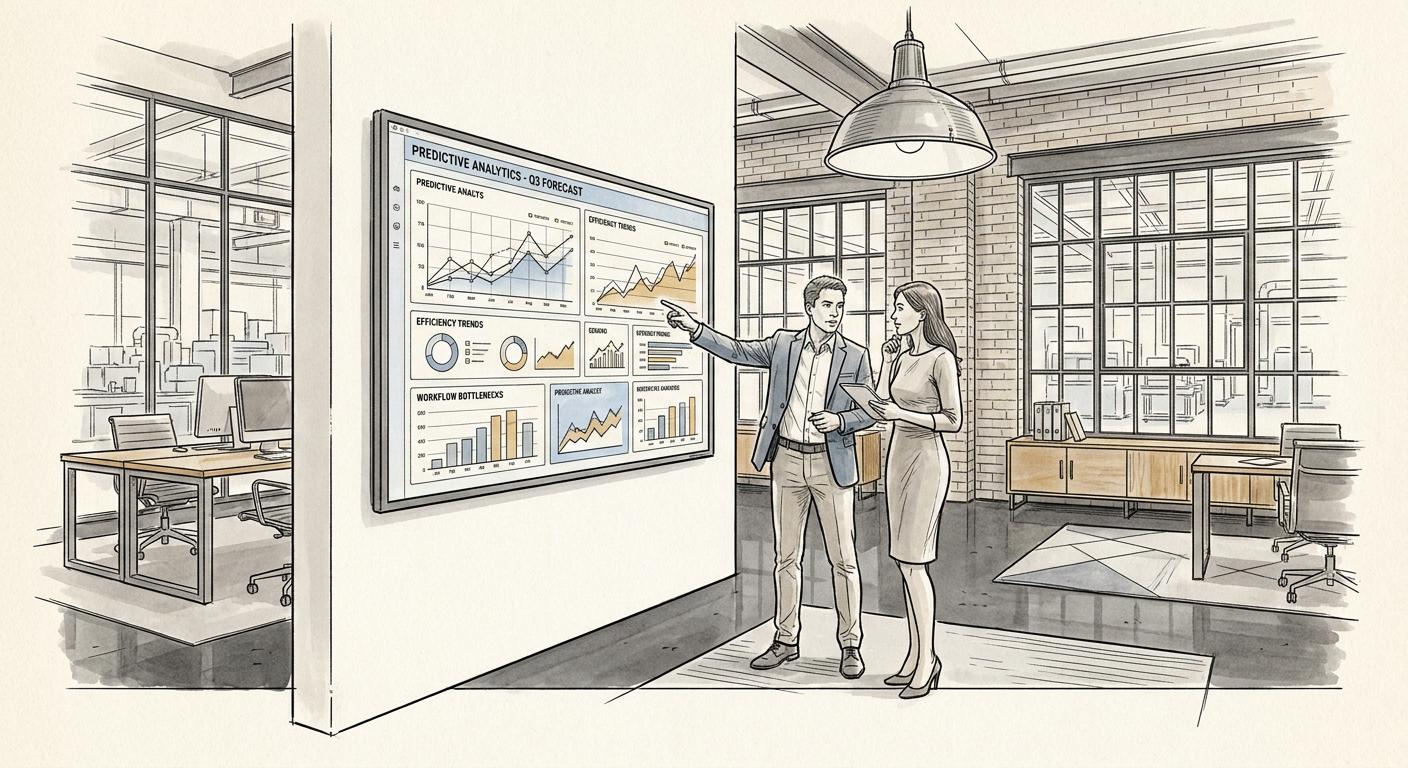
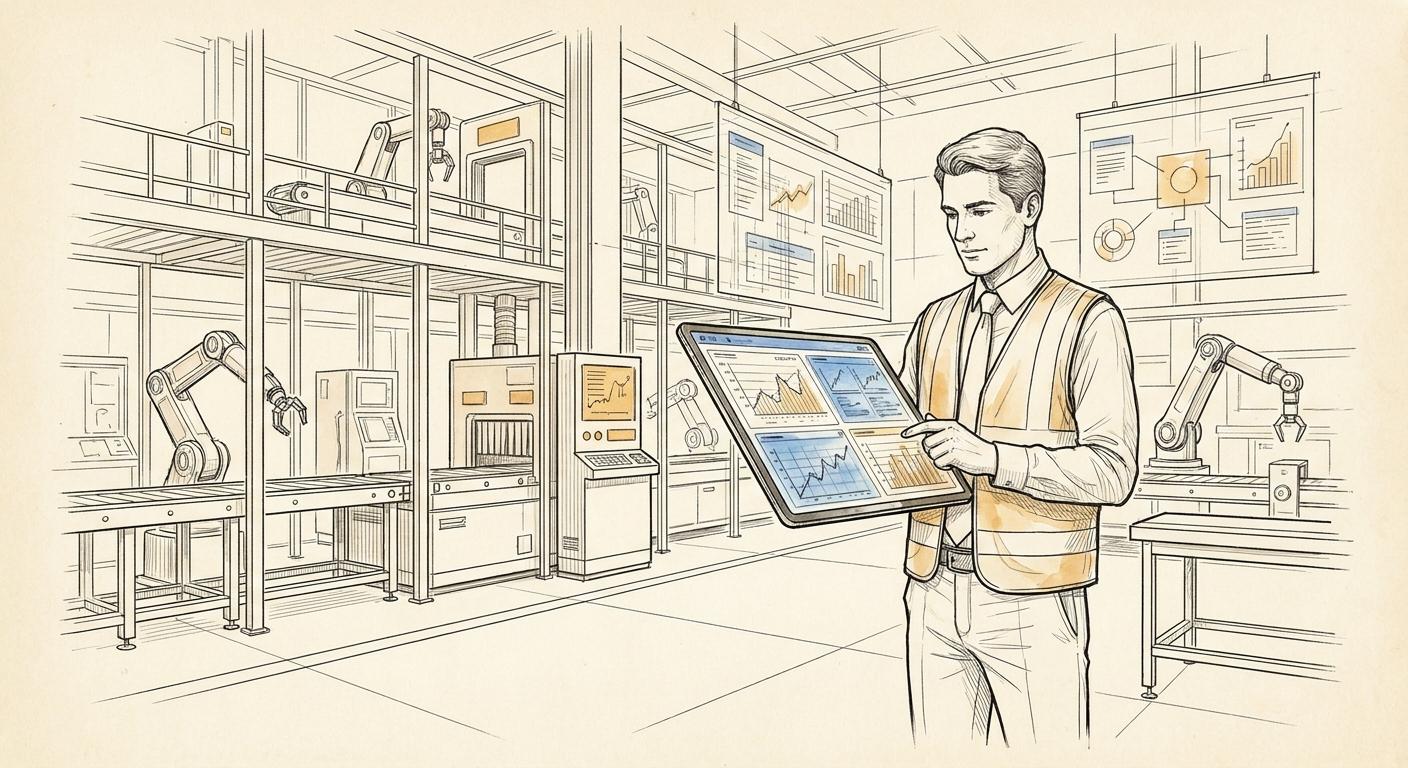
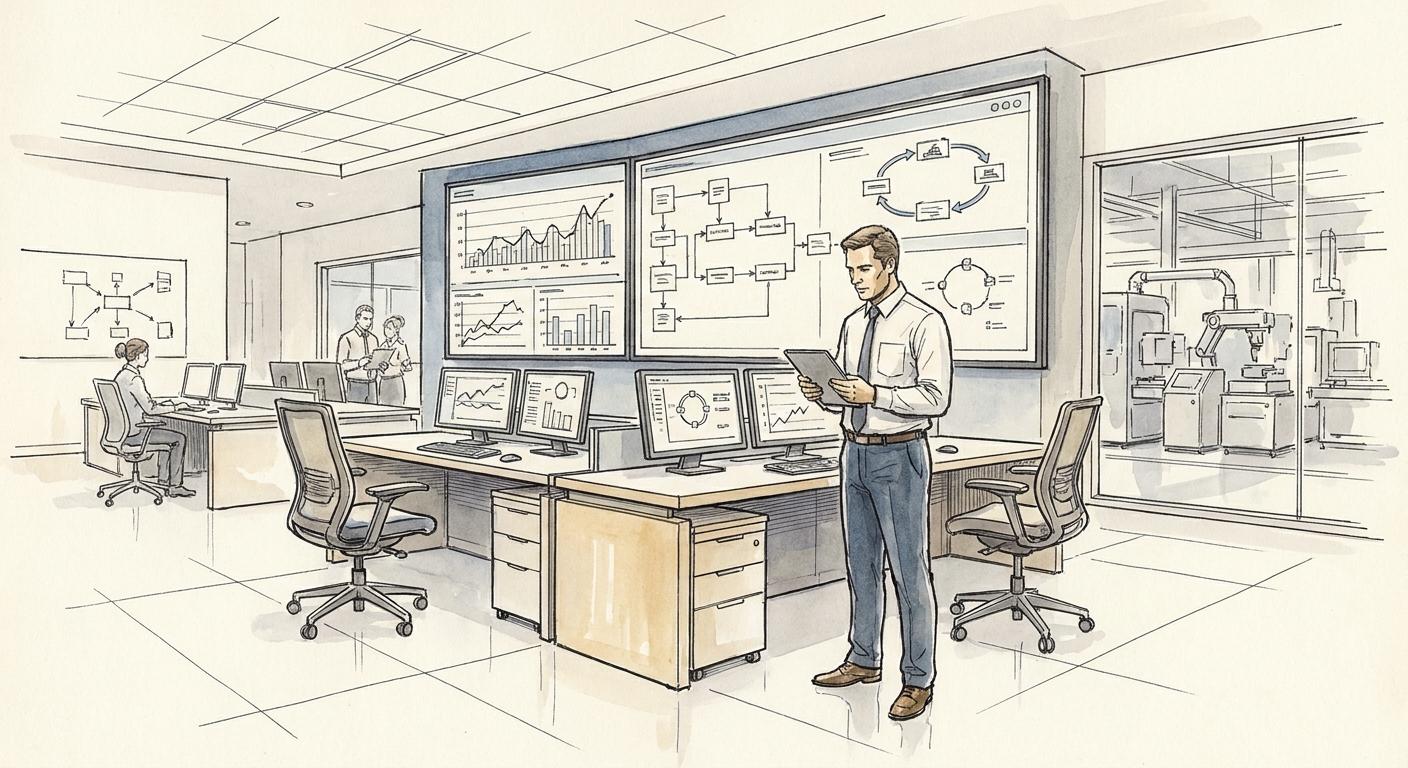
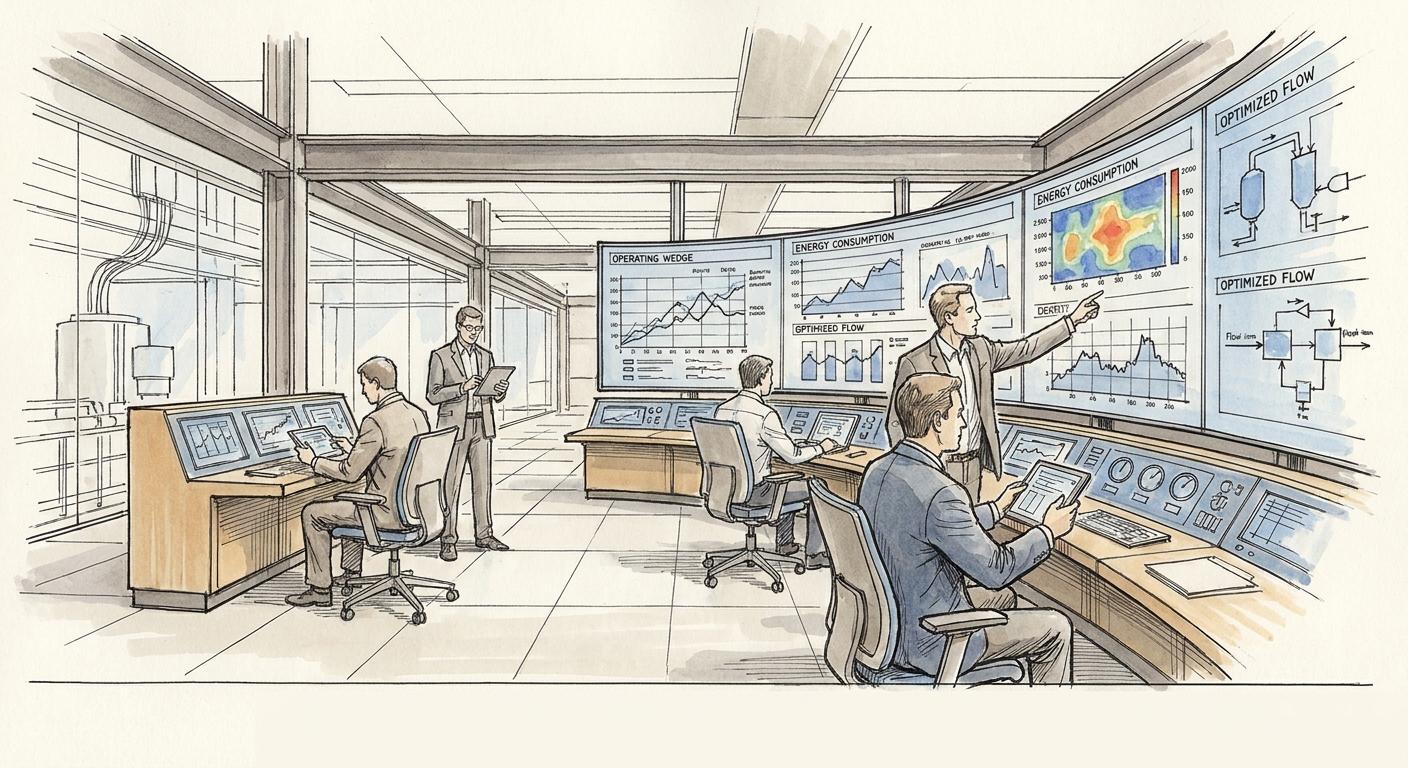
We start by identifying the line with the highest margin leakage. We then layer an AI observation deck over existing sensors. Within weeks, the plant has a live dashboard showing the true cost of every unit. This approach provides the AI readiness required for a broader rollout without the risk of a multi-year, multi-million dollar failure. In a PE environment, this rapid execution expands the multiple by demonstrating a repeatable, data-driven culture of cost control.
CFO & COO Alignment: Turning COGS Data into Strategic Pricing Power
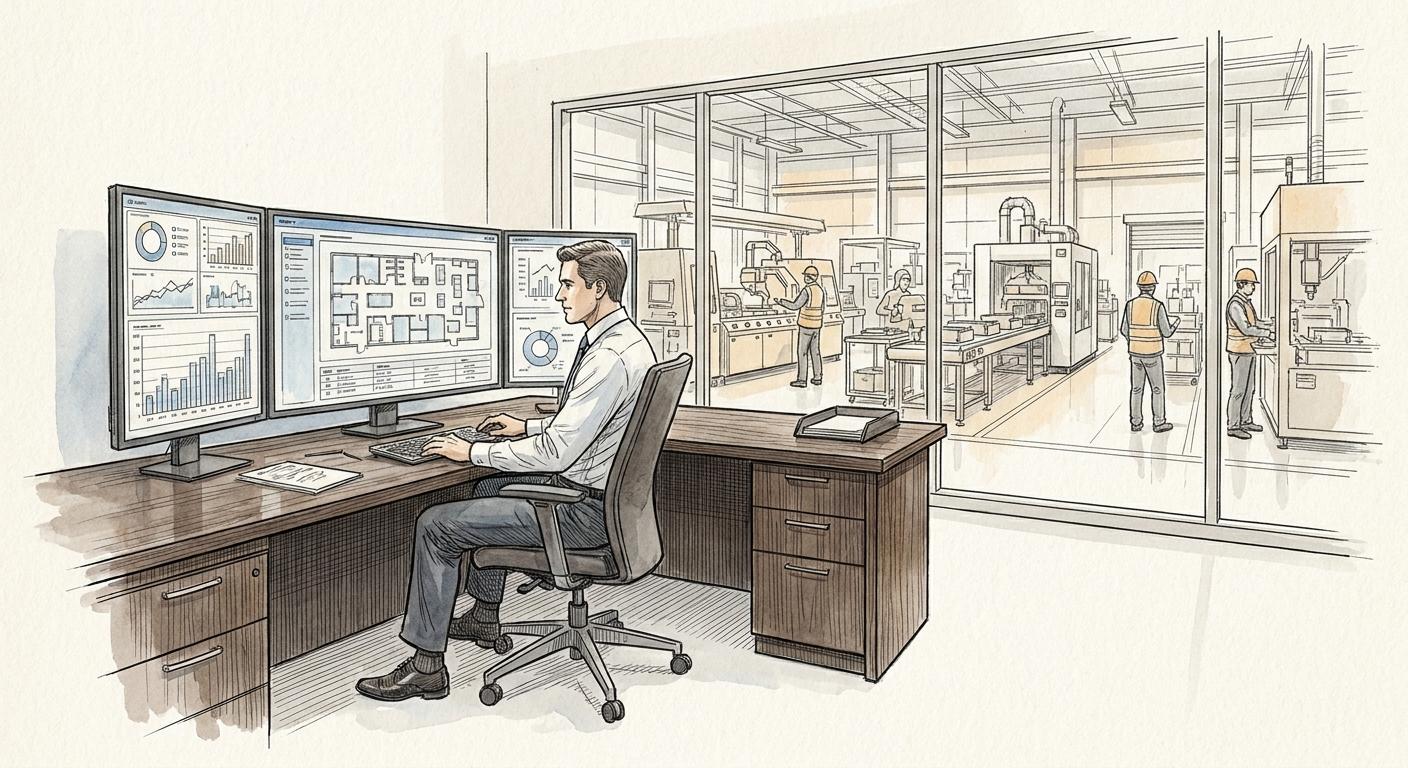
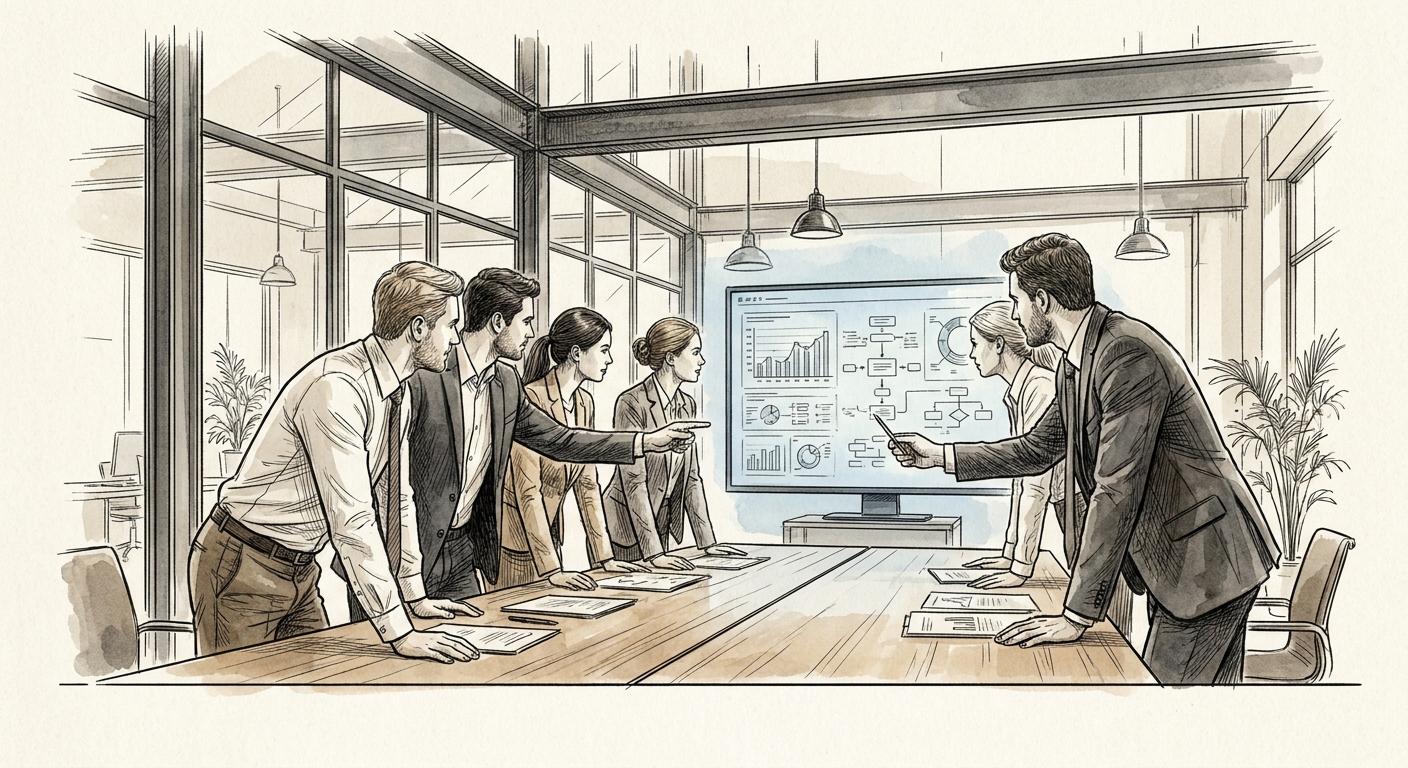
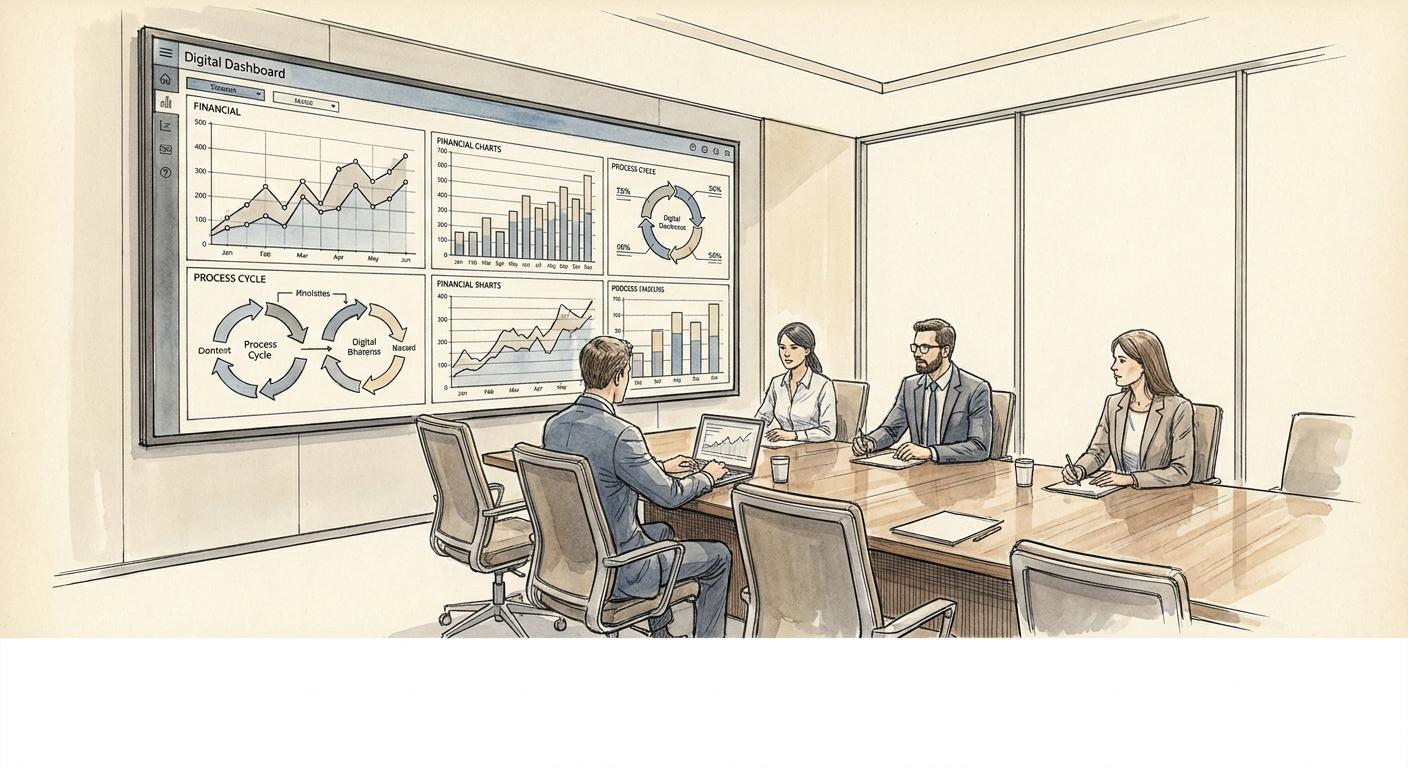
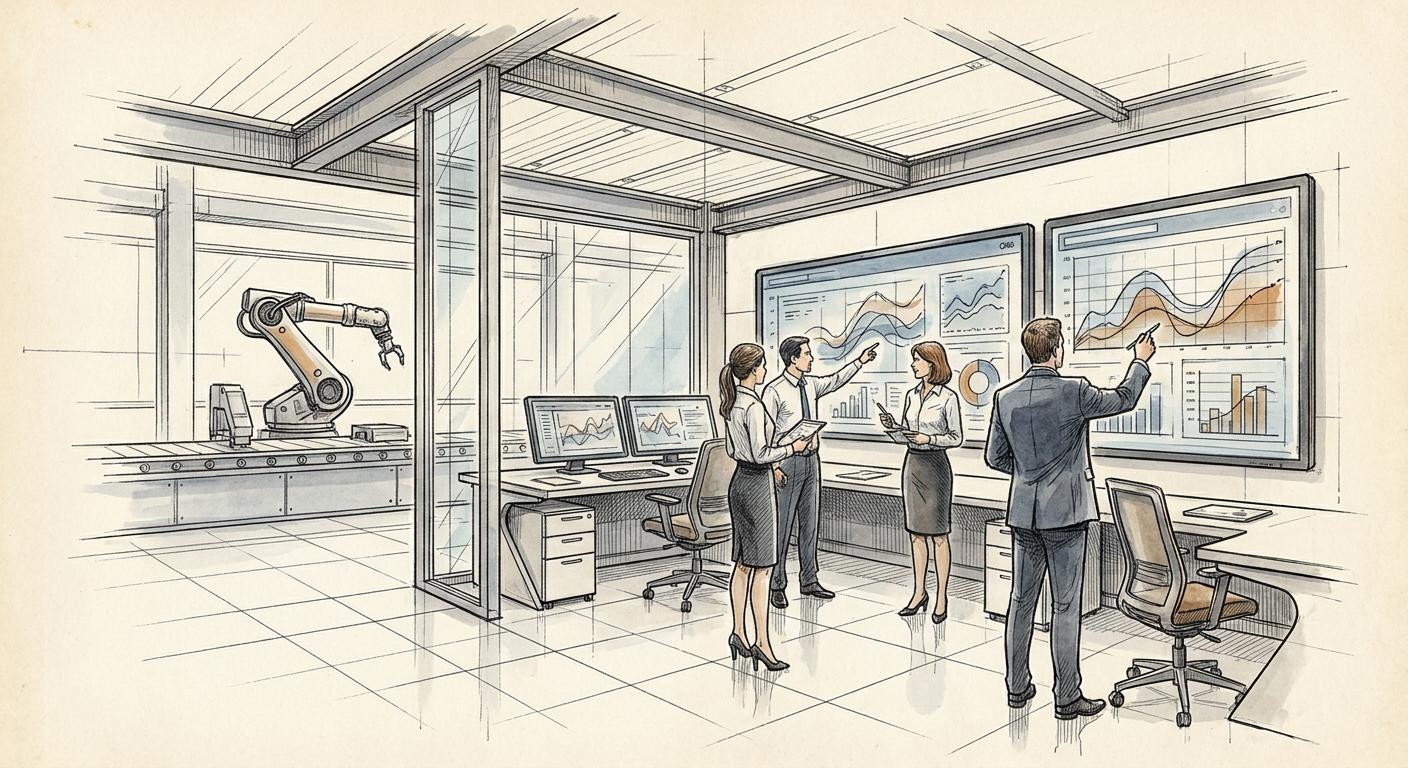
When the CFO and COO share a single source of truth regarding real-time COGS visibility, the conversation changes from "what happened?" to "what do we do now?" This alignment is critical for mid-market operational efficiency.
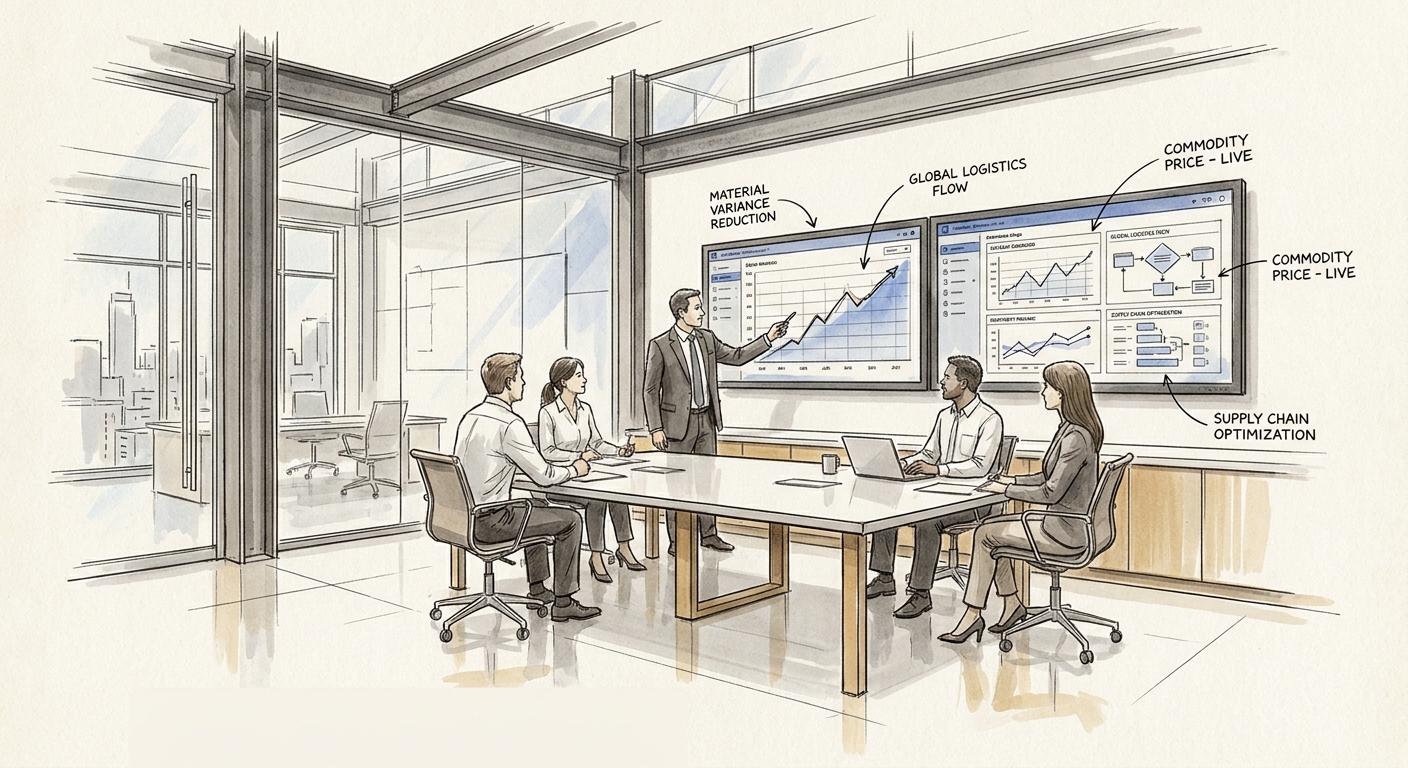
With precise data, the sales team can implement dynamic pricing. If a specific raw material's cost spikes on the spot market, the system automatically updates the job costing models. This ensures that the sales team isn't chasing volume that actually erodes the company's EBITDA. Furthermore, capital allocation becomes scientific; you don't buy a new machine because it's "faster," you buy it because the data shows it will reduce your per-unit energy and scrap costs by a proven margin.
FAQ: Real-Time COGS and AI Implementation
How does AI process mining differ from traditional Lean Six Sigma?
Traditional Lean Six Sigma relies on periodic, manual snapshots and human observation to find inefficiencies. AI-driven process mining provides continuous, automated monitoring of 100% of production data points, identifying variances in real-time that manual audits would miss.
Do we need to replace our existing ERP to get real-time COGS?
No. The AI layer acts as an "operating wedge" that sits on top of your existing sensor data and ERP outputs. It synthesizes existing data into real-time insights without requiring a total system overhaul.
How does AI improve COGS accuracy in mid-sized manufacturing?
AI eliminates the "averaging" of costs by tracking the actual material, labor, and energy used for every specific unit. It highlights exactly where the estimate-vs-actual gap occurs, allowing for precise adjustments to the Bill of Materials and labor routing.
What is the typical time-to-value for an AI process mining project?
By focusing on a single production line or high-margin product, most mid-market manufacturers see a quick win and measurable EBITDA improvement within 8 to 12 weeks.
Real-time visibility into your cost of goods sold is the difference between defending your margins and losing them to operational drift. By integrating sensor data with AI process mining, manufacturers can eliminate the 7% waste typical of "lagging indicator" management.
Book a Manufacturing Diagnostic at ifor.ai/solutions/manufacturing