.svg)

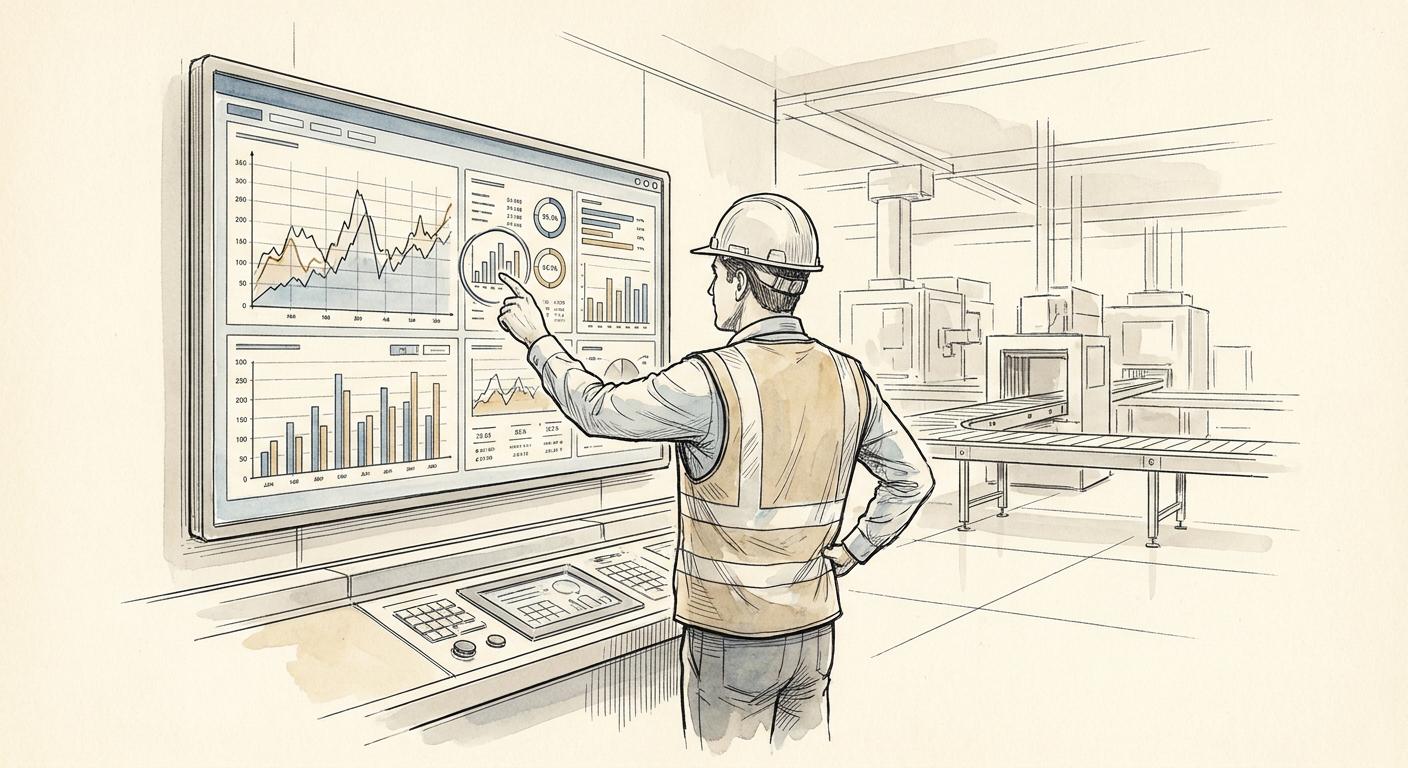
Margin erosion in mid-market manufacturing often stems from a visible but difficult-to-solve problem: the widening gap between estimate and actual production costs. When scrap rates climb and "rework" becomes a standard line item rather than an anomaly, your cost of goods sold (COGS) becomes unpredictable. Successfully implementing AI quality control in manufacturing is no longer a research project for Tier 1 OEMs; it is an essential operating wedge for any firm looking to protect margins against rising material costs and strict OTIF (On-Time In-Full) penalties. This guide provides a repeatable framework for integrating machine learning into existing QC workflows to drive a measurable reduction in rework and scrap. The Financial Logic: Why QC is Your Fast-Track to Margin Expansion For a CFO or COO, quality control should be viewed through the lens of margin leakage. Every defective part that moves to the next stage of production carries with it the sunk costs of energy, labor, and raw materials that can never be recovered. AI quality control in manufacturing is the process of using machine learning algorithms and computer vision to augment or automate the inspection process, identifying defects with higher precision and speed than manual methods to reduce rework and scrap costs.
By shifting the focus from "technological improvement" to "COGS reduction," leadership can justify the investment based on immediate P&L impact. If a plant reduces its scrap rate by even 1.5%, the flow-through to EBITDA is often more significant than a 5% increase in top-line sales. This is particularly critical in high-volume, low-margin environments where precision is the only defense against commodity price volatility. Bridging the Gap: Integrating AI into Existing QC Workflows The most common mistake in digital transformation is the "rip and replace" mentality. High-performing plants do not need to discard their current ERP or MES to see results. Instead, effective AI implementation acts as an embedded layer that sits on top of existing visual inspections or sensor data.
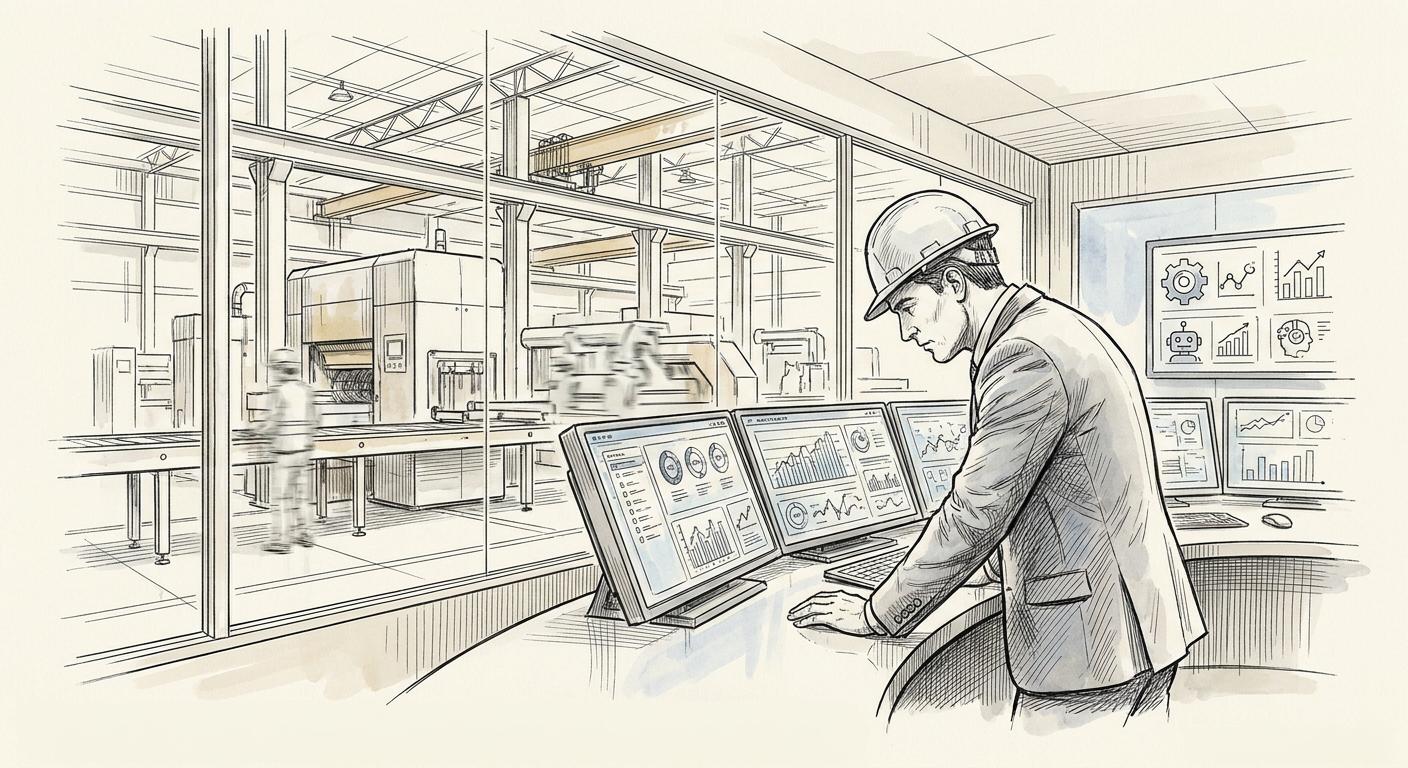
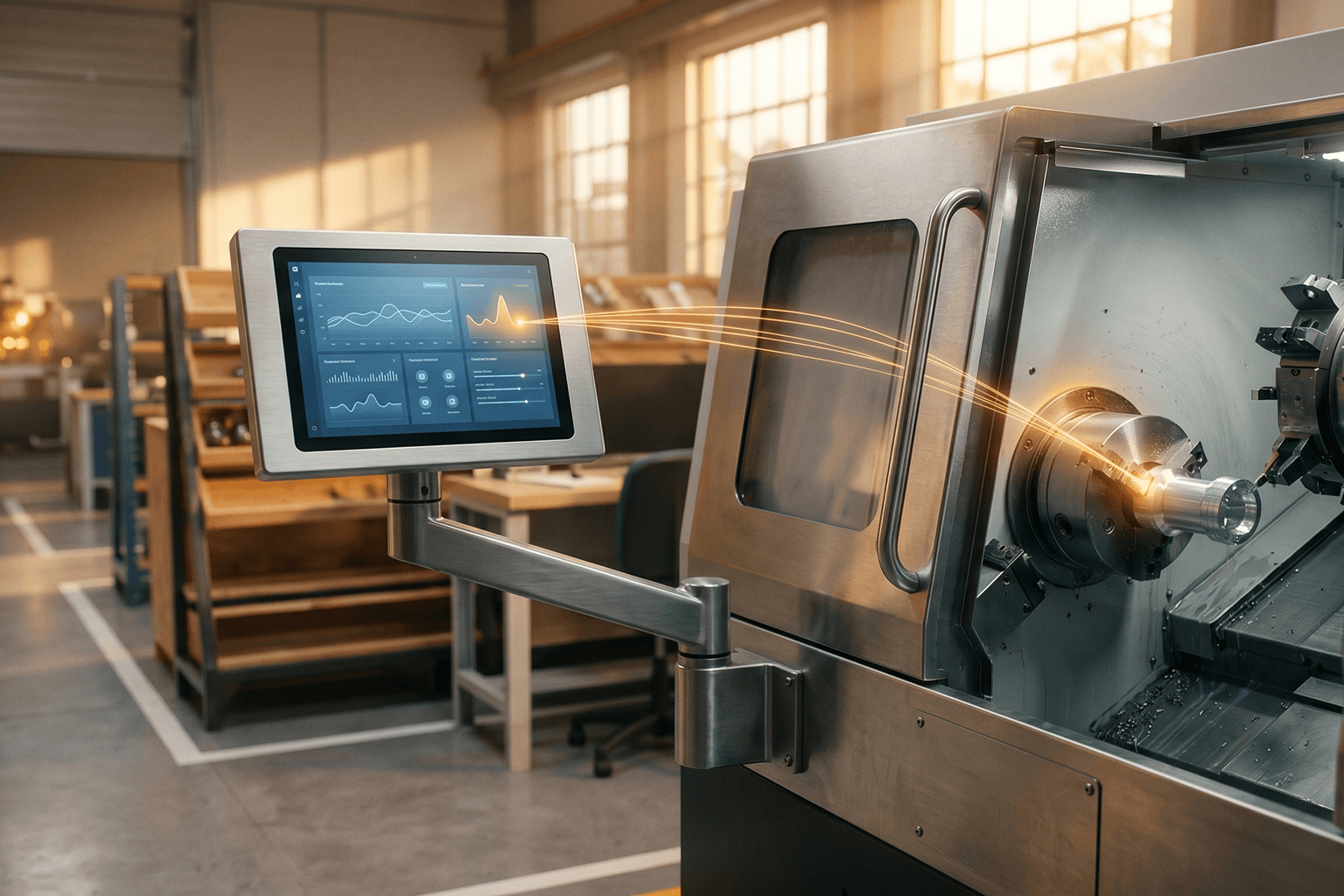
We have seen this succeed by utilizing a "smart layer" approach. For example, a specialized implementation team can take existing camera feeds from a production line and apply a machine learning for defect detection model that flags anomalies in real-time. The human inspector remains the final arbiter, but their efficiency increases significantly as the AI filters out 90% of the non-issues, allowing them to focus only on high-probability defects. Step 1: Use Case Prioritization (High-Impact Defect Mapping) Before writing a single line of code, you must identify which 20% of defects are responsible for 80% of your rework costs. Not all defects are created equal. A cosmetic flaw on a non-visible component is a nuisance; a structural micro-crack that leads to a field failure or a 48-hour line stoppage is a catastrophe.
Start by mapping your "cost of poor quality" (COPQ) across the production floor. Target the specific station where manual inspection is most prone to fatigue or where the defect is too small for the human eye to consistently catch. By narrowing the scope to a single high-impact use case, you reduce the time-to-value and create a clear proof of concept that can be replicated across other lines. Step 2: Execution – From Data Collection to First Production Result The "pilot purgatory" that many manufacturers face is usually the result of a lack of execution speed. At iForAI, we utilize a 60-90 day sprint to get a live use case into production. This is not about building a perfect model; it is about building a functional one that provides an immediate quick win.
Data Capture (Weeks 1-3): Pulling historical images or sensor logs from the identified high-impact station. Model Training (Weeks 4-6): Training the algorithm to recognize "good" vs. "bad" signatures based on your specific quality standards. Shadow Mode (Weeks 7-9): Running the AI alongside the current process to validate accuracy without interrupting the line. Live Production (Week 10+): Moving the model into a live feedback loop where it alerts operators to issues in real-time.
This methodology relies on having 35+ specialists available for the price of a single hire, ensuring that the heavy lifting of data engineering doesn't stall the project. Step 3: Upskilling the Floor – Why AI Models Fail Without Operator Buy-In AI models often fail not because the math is wrong, but because the plant floor rejects the "black box." If an operator feels that the AI is there to replace them or highlight their mistakes, they will find ways to bypass it. Manufacturing rework reduction strategies must include a heavy emphasis on upskilling.
Operators should be trained to see AI as a high-performance tool, similar to a precise CNC machine or a high-end calibrator. When the model flags a defect, the operator's role shifts from "inspector" to "quality strategist," analyzing why the defect occurred and how to adjust the upstream process. Reducing manual effort - often by as much as 60% - allows your best people to focus on higher-value problem solving, which is critical for long-term AI maturity. Measuring Success: Beyond Accuracy to Margin and OTIF Model accuracy (e.g., "our model is 99% accurate") is a vanity metric for the engineering team. For the executive team, success must be measured in financial and operational terms:
Reduction in Scrap Rate: The direct decrease in wasted raw materials. Estimate-vs-Actual Gap: Narrowing the discrepancy between projected and actual production costs. OTIF Improvement: Fewer late shipments caused by last-minute rework or quality holds. Lower COGS: A measurable drop in the unit cost of production.
When these metrics improve, the path to a higher exit multiple or better value creation for PE-backed firms becomes clear. A repeatable AI playbook allows a firm to acquire fragmented manufacturers and quickly drive EBITDA improvement by institutionalizing these quality standards across the entire portfolio. FAQ Do we need to replace our existing ERP or MES for AI quality control? No. Effective AI implementation acts as a "smart layer" that consumes existing data and feeds insights back into your current systems. It enhances your current infrastructure rather than requiring a costly and risky overhaul.
How long does it take to see a ROI on AI-enhanced QC? With the iForAI Starter Package, the first measurable production results and COGS improvements are visible within 8-12 weeks. This rapid deployment focuses on one high-impact use case to prove value before scaling.
How does AI quality control impact manufacturing COGS? It directly reduces the cost of goods sold by minimizing the raw material and labor hours wasted on defective products. By catching errors earlier in the production cycle, you prevent the accumulation of sunk costs in unsellable inventory.
Is scaling AI defect detection across production lines difficult? Scaling is streamlined once the first use case is live and the data pipeline is established. The "repeatable AI playbook" approach ensures that the learnings from the first line are applied to subsequent lines, reducing the time-to-value for each new deployment.
AI-enhanced quality control is the most direct path to protecting manufacturing margins and ensuring consistent OTIF delivery. By prioritizing high-impact defects and upskilling the workforce, COOs can turn quality from a cost center into a competitive advantage.
Book a Manufacturing Diagnostic at ifor.ai/solutions/manufacturing