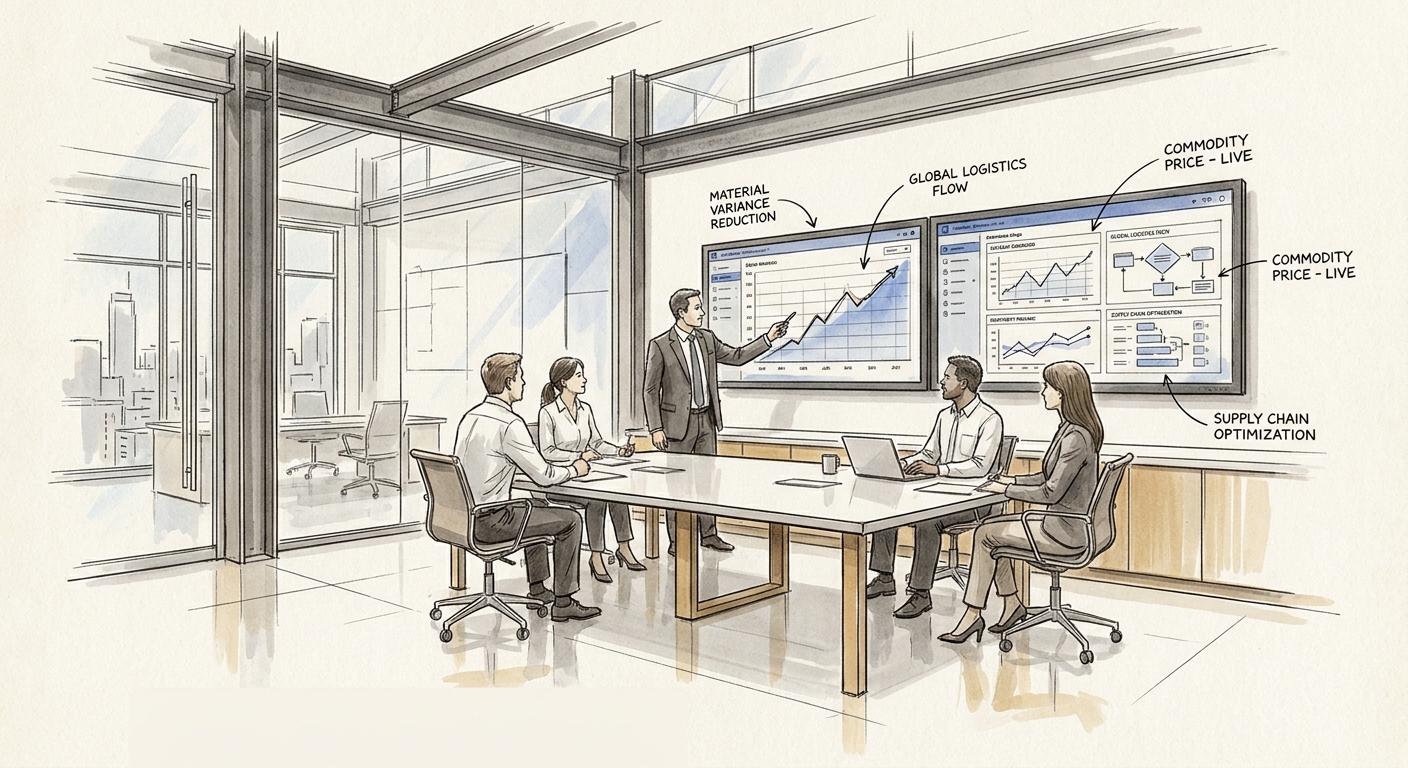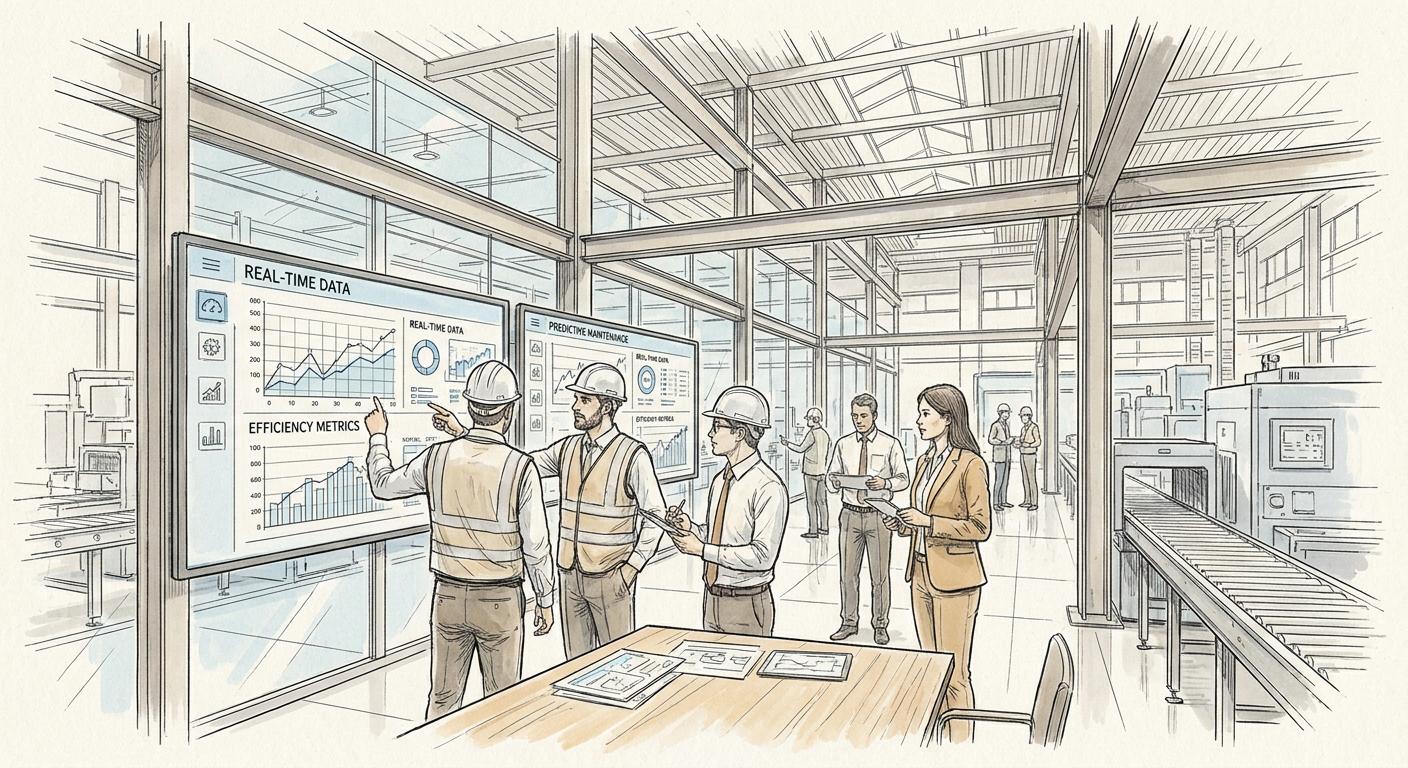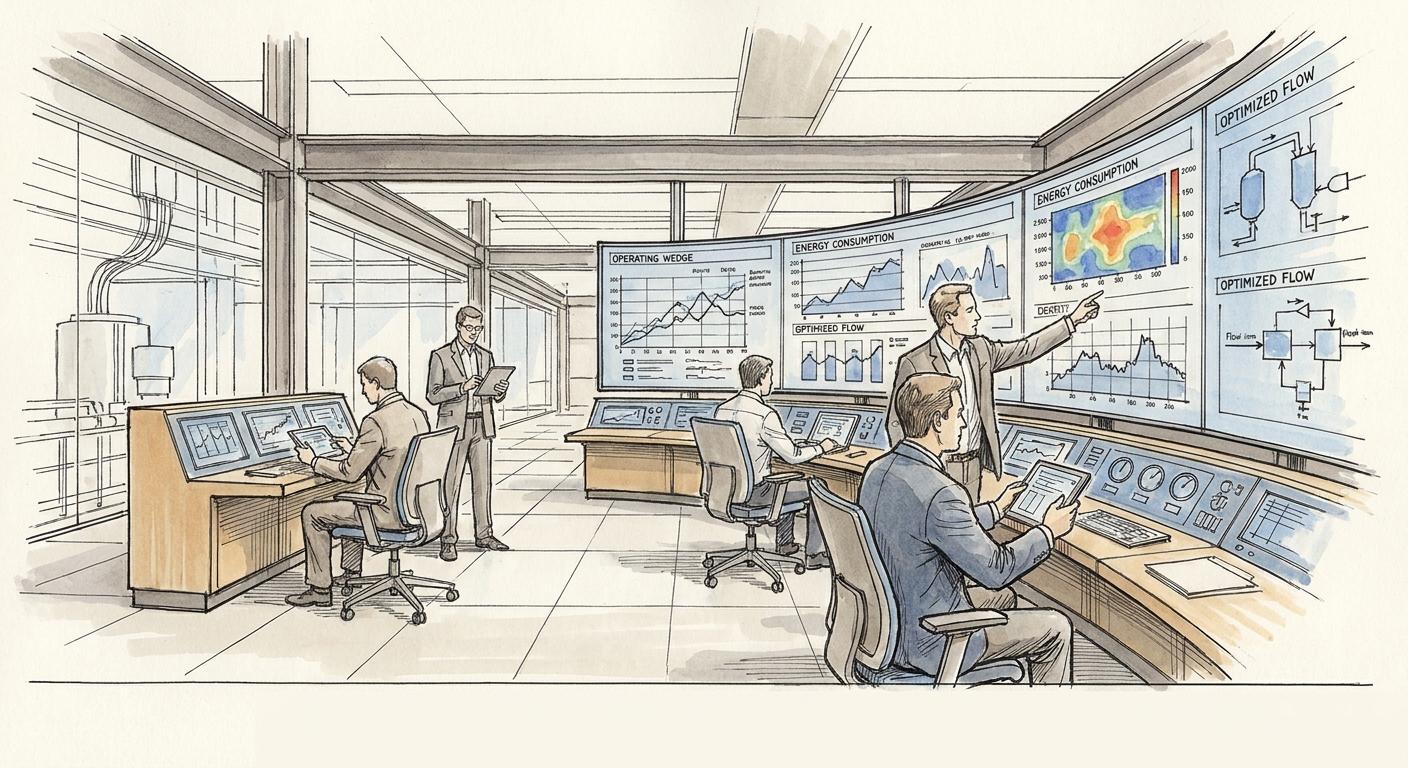
Operating partners face a recurring hurdle: a successful pilot at one mid-market manufacturer rarely translates to effortless adoption across the rest of the portfolio. Scaling standardizing AI deployment across diverse industrial assets is often stymied by fragmented ERP systems, inconsistent data hygiene, and local management resistance. This guide outlines how to move past the "pilot purgatory" stage and implement a repeatable execution framework that drives consistent margin improvement and institutionalizes AI as a core value creation lever.
AI Standardization for Private Equity is the process of implementing a repeatable technical and operational framework to deploy artificial intelligence across diverse portfolio companies. This approach ensures that data ingestion, model training, and performance monitoring remain consistent, driving predictable EBITDA growth and increasing exit multiples through institutionalized technology capabilities. The Scalability Trap: Why Most PE-Led AI Initiatives Stall at PoC Manufacturing portfolios are rarely a monolith. An Operating Partner might oversee a 200-employee plastic injection molding plant in Ohio and a specialized aerospace machining shop in Germany. When these entities have different job costing methods and legacy tech stacks, a "one-size-fits-all" software rollout fails. Most initiatives stall because they focus on the technology rather than the delayed execution truth - the reality that shop floor adoption hinges on local process integration, not just a cloud-based dashboard.
Fragmented data stacks create a massive "technical debt" tax. If one plant uses a modern ERP while another relies on localized spreadsheets, the AI cannot ingest the clean data required for estimate-vs-actual analysis. Without a standardized ingestion layer, the Operating Partner spends more on custom integration than the actual AI logic, killing the time-to-value necessary for a 24-month investment window. The 'Operating Wedge' Framework: Standardizing the First 8 Weeks To overcome the friction of diverse assets, iForAI utilizes an operating wedge - a condensed, 8-week execution model designed to secure a quick win before full-scale integration. This framework bypasses the need for a total infrastructure overhaul. Instead, it focuses on a single, high-impact operational pain point, such as OTIF (On-Time In-Full) misses or margin leakage due to inaccurate scrap reporting.
During weeks 1–4, the focus is on AI readiness - auditing the existing data flow and establishing a "data abstraction layer" that works regardless of the specific ERP in place. By weeks 5–8, the focus shifts to deployment and frontline feedback. This repeatable cadence allows the PE firm to build a "playbook" that can be dropped into any new acquisition, providing a predictable timeline for EBITDA improvement that lenders and future buyers can verify. Creating the Playbook: Defining Universal AI KPIs for Manufacturing Portfolios Standardization requires a universal language for success. While the products differ, the levers for value creation are consistent across industrial assets. Operating Partners should focus on a narrow set of AI-driven KPIs that directly impact the income statement. For instance, reducing unplanned downtime by a specific percentage across five different portfolio companies creates a massive aggregate swing in operating leverage.
Focusing on labor optimization and energy reduction provides a neutral baseline. If an AI tool identifies that a CNC shop is over-allocating high-cost labor to low-margin tasks, that insight is valuable whether they are making medical devices or automotive parts. By institutionalizing these metrics, the PE firm ensures that every CEO in the portfolio is being measured against the same efficiency benchmarks, stripping away the "our business is different" excuse. Infrastructure Parity: Overcoming Inconsistent Tech Maturity You cannot wait for a three-year ERP consolidation project to begin standardizing AI deployment. Tactically, this means deploying embedded AI solutions that sit on top of legacy systems rather than replacing them. For a mid-market manufacturer with limited CAPEX, the goal is to find the "minimum viable data" required to generate an ROI.
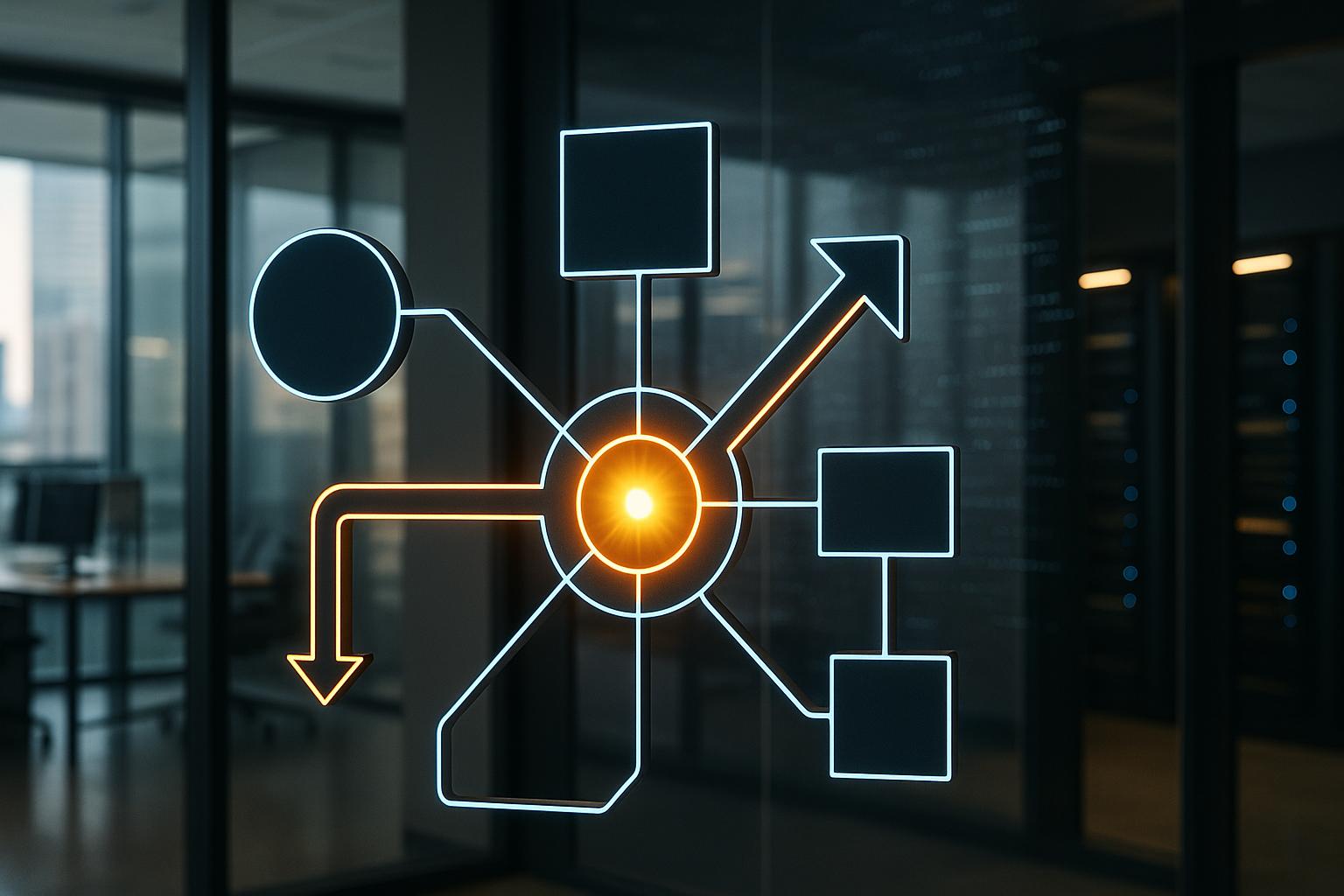
Infrastructure parity is achieved through edge gateways or API-first connectors that normalize data from disparate sources into a central "data lake." This allows the PE firm to run portfolio-wide analytics. When a shop floor in the Midwest sees a 15% improvement in throughput via AI-driven scheduling, that same logic can be pushed to the Southeast facility via the standardized layer, even if their underlying software is decades apart. The Multiplier Effect: Driving Exit Valuations via Institutionalized AI Capabilities At the end of the investment cycle, the goal is to sell more than just a well-oiled factory; the goal is to sell a "technology-enabled platform." When a buyer sees that a portfolio company has integrated AI into its daily rhythm - using it for real-time job costing and predictive maintenance - the risk profile of that company drops.
This standardization creates a powerful exit narrative. The PE firm can demonstrate that the EBITDA growth wasn't a one-time cost-cutting exercise but the result of an institutionalized "operating system." This increases the exit multiple because the buyer is inheriting a business with built-in scalability and a clear, data-driven window into future performance. FAQ How do you standardize AI across companies with different ERPs? Standardization is achieved through a data abstraction layer that pulls raw data from various ERPs and translates it into a universal format. By using the iForAI execution model, firms focus on normalizing the data output rather than replacing the underlying legacy software.
What is the typical timeline for a portfolio-wide AI rollout? The process typically follows a sequential "wedge" strategy. Initial value is proven in a 4-8 week pilot at a single site, followed by a phased 6-12 month rollout across the broader portfolio to ensure operational alignment.
Does AI standardization require significant CAPEX? No, the focus is on utilizing existing data streams and low-cost edge connectivity. By targeting specific operational inefficiencies like margin leakage, the project is often funded through the OpEx savings it generates within the first two quarters.
How does standardized AI impact the exit multiple? It shifts the company from a traditional manufacturer to a tech-enabled enterprise. Buyers pay a premium for "institutionalized intelligence" because it proves the turnaround is sustainable and the business can scale without linear head-count growth.
Standardizing AI deployment allows Private Equity firms to turn idiosyncratic manufacturing assets into a synchronized engine for EBITDA growth. By focusing on the 8-week operating wedge, firms can bypass technical debt and deliver measurable value within the narrowest investment windows.
Book a Manufacturing Diagnostic at ifor.ai/solutions/private-equity