From Assistants to Agents: Scaling Engineering ROI Beyond the Keystroke
Many technology leaders observe their teams using tools like GitHub Copilot and perceive an immediate benefit. Developers appear to be coding faster, boilerplate code is generated instantly, and the novelty factor is high. However, when evaluating actual release cycles, a critical question emerges: Are products shipping faster? For numerous organizations, the answer is often "not significantly."
This phenomenon can be described as the "Turbocharger in Traffic" problem. While the development engine has been boosted, the overall process remains constrained by bottlenecks such as handoffs, documentation gaps, and extensive alignment meetings. If developers write code 20% faster but that code then waits in a QA queue for several days, the return on investment (ROI) may not improve; instead, the bottleneck simply shifts.
The Essential Shift: Assistants vs. Agents
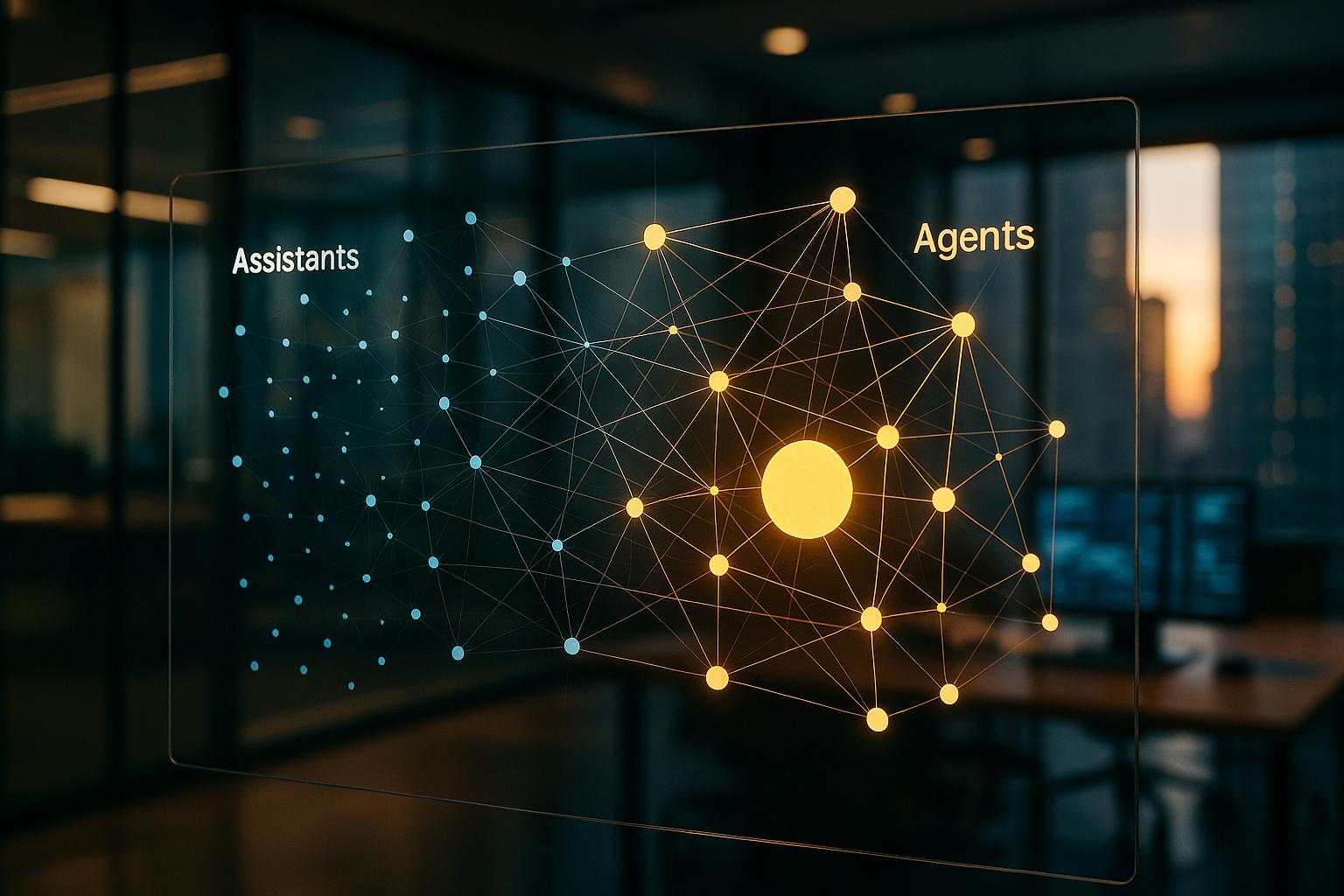
To unlock measurable business impact, organizations need to move beyond AI Assistants and begin implementing AI Agents. This distinction is not merely semantic; it represents a fundamental architectural difference in how AI is applied.
- AI Assistants are typically reactive. They function much like advanced code auto-completion tools, suggesting the next line of code based on human input. While they understand syntax, they generally lack comprehension of broader sprint goals or specific business logic.
- AI Agents are objective-driven. Instead of receiving simple prompts, an agent is given a mission. For example, one might instruct an agent to: "Analyze this pull request for security vulnerabilities, update the API documentation accordingly, and flag any architectural deviations to the lead engineer."
An assistant offers suggestions; an agent executes tasks and is designed to achieve a specified outcome.
Automating the "Connective Tissue"
In mid-market and enterprise technology environments, the primary friction often lies not in the act of coding itself, but in the "connective tissue" between different stages of the development lifecycle. This is precisely where agentic workflows can deliver systemic acceleration:
- Dynamic Documentation: Agents can analyze merged code in real-time to update technical specifications and README files. This approach helps ensure that documentation remains an accurate "source of truth" rather than becoming outdated quickly.
- Strategic Talent Allocation: By enabling agents to handle initial passes of routine code reviews and compliance checks, senior architects and developers can dedicate more time to high-level strategy, system design, and complex problem-solving.
- Product Requirements Document (PRD) Validation: A product-focused agent can scan new requirement documents to identify potential conflicts with existing infrastructure or technical debt. This proactive validation can prevent weeks of misdirected engineering effort.
From Shadow AI to Enterprise Integration
Currently, many companies experience "Shadow AI"—a fragmented landscape characterized by individual subscriptions to tools like ChatGPT and unmanaged, localized prompts. While this might enhance individual productivity, it often does not scale effectively across an organization. Such fragmented use can create data silos and introduce security risks rather than driving collective business momentum.
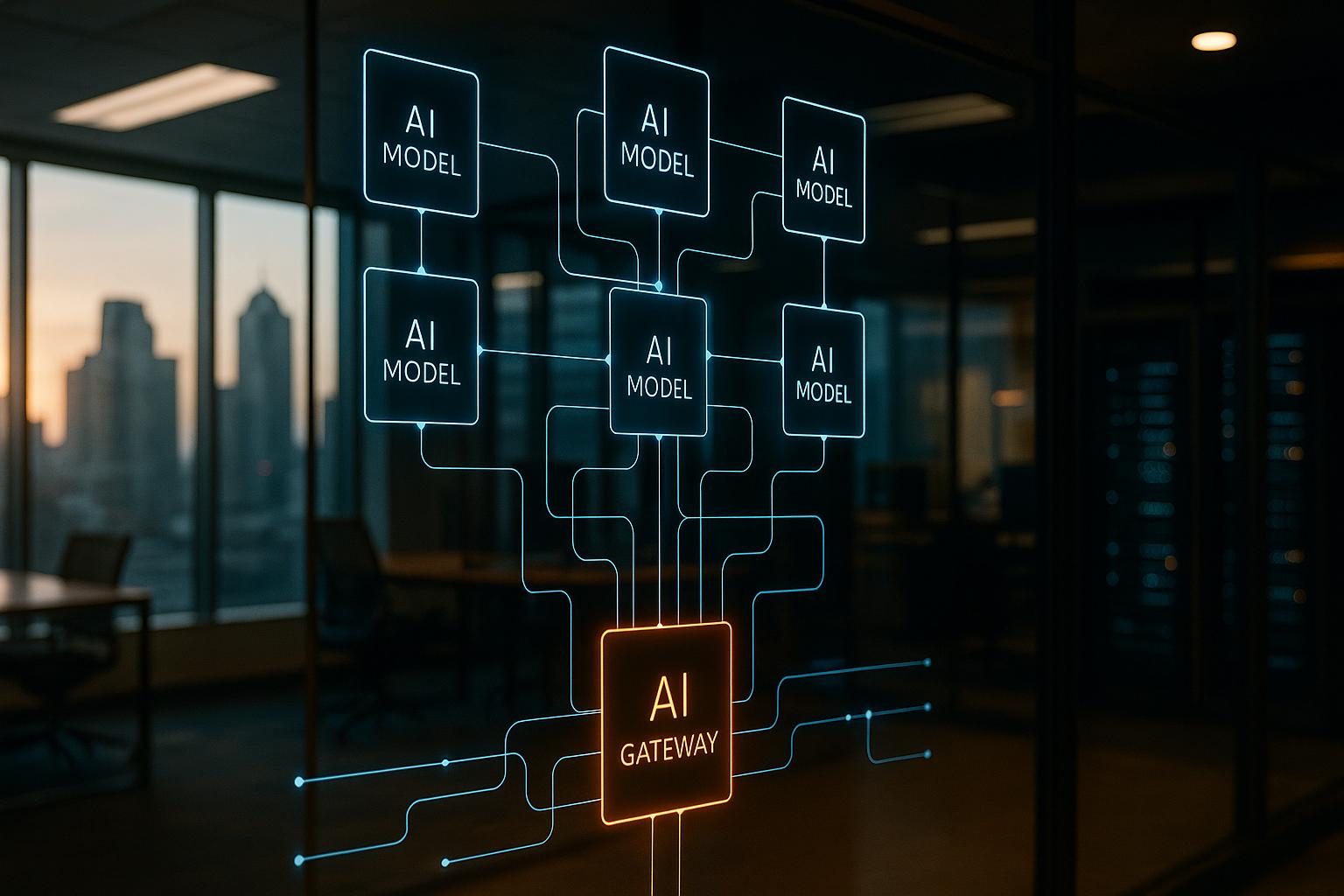
True enterprise maturity in AI is achieved when AI moves beyond individual browser tabs and integrates into the core corporate technology stack. This involves implementing secure, automated workflows that function seamlessly within existing Continuous Integration/Continuous Delivery (CI/CD) pipelines.
Ultimately, engineering ROI is not solely determined by the volume of code a team can generate per hour. It is more accurately measured by the speed and reliability with which a high-quality feature can progress from conception to a production environment.
Achieving significant impact from AI in engineering requires more than just providing access to tools; it demands a strategic approach that embeds AI into the operational fabric. At iForAI, we specialize in developing these agentic systems, transforming AI's potential into measurable performance. If you are looking to move beyond basic AI assistance and scale your engineering output, we invite you to explore how our solutions can support your goals.