

.svg)

Your Next AI Bet: Why 'Self-Healing' AI Outperforms Reactive Monitoring
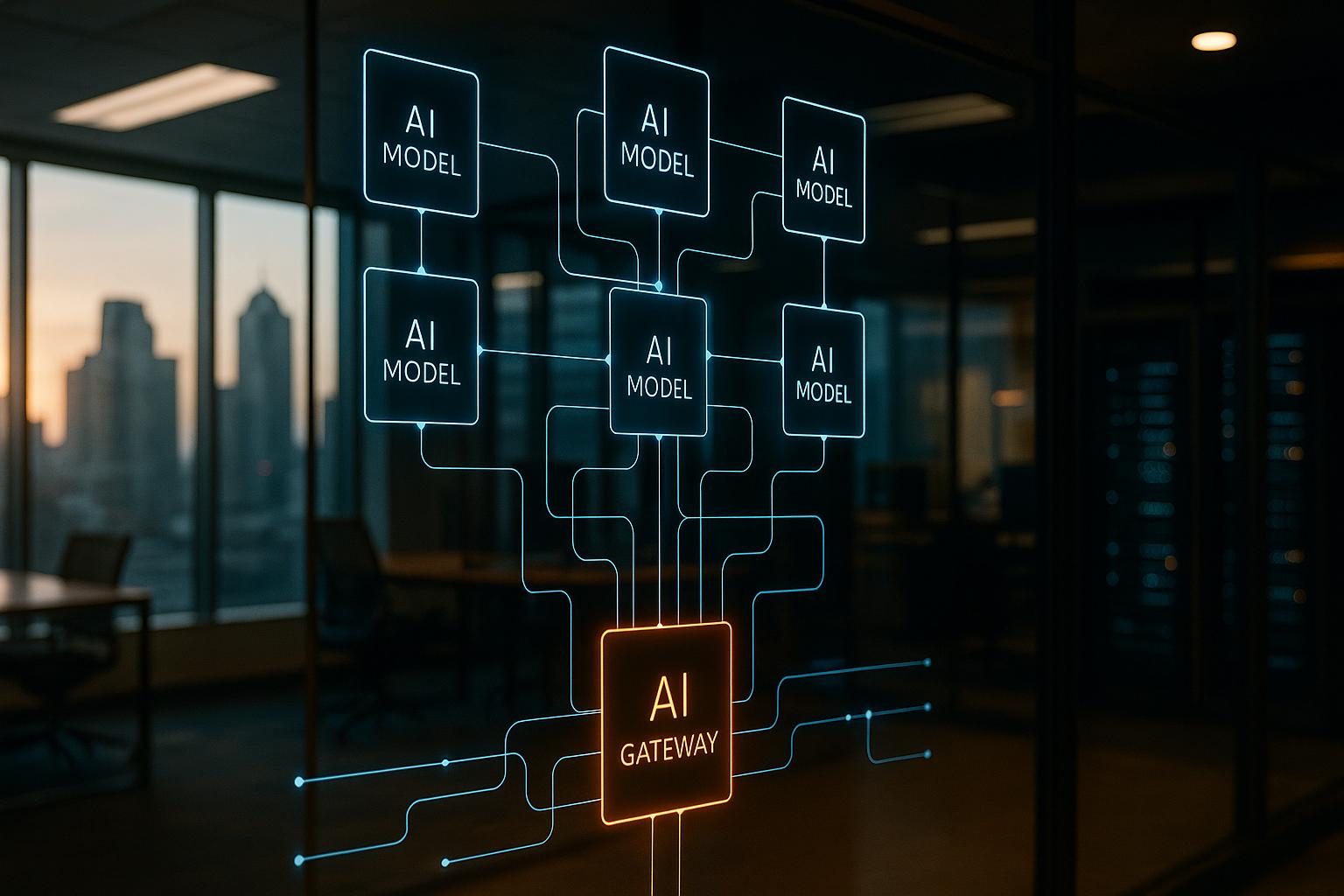
Many AI initiatives follow a similar pattern: an impressive initial demonstration excites stakeholders, but then challenges emerge, often between the fourth and eighth week. Outputs can become inconsistent, compute costs may spike, and engineers might find themselves troubleshooting issues, such as an AI model generating incorrect information. When this occurs, the AI model itself is often blamed. However, the root cause is frequently not the model's core intelligence but rather the supporting infrastructure—the "nervous system" of the AI system.
The Hidden Cost of the "Black Box"
In critical sectors like FinTech, HealthTech, or InsurTech, merely "good enough" AI can pose significant risks. If an AI agent provides a flawed projection or an inaccurate client response, it can lead to a breach of trust, potentially hindering adoption for extended periods.
Operating without robust data observability is akin to working with a black box. If the reasons behind an error cannot be explained, teams may lose confidence, abandon the AI tool, and revert to manual processes. Transitioning from a successful pilot to a production-grade asset requires replacing assumptions with verifiable, transparent proof of accuracy.
Moving Beyond Intuitive Engineering
Currently, some teams rely on what might be called "vibe-check" engineering. They might adjust a prompt, conduct a few manual tests, and perceive that the output has improved.
For an enterprise, relying on perception is not a scalable strategy. Real return on investment (ROI) is driven by objective optimization. This requires the infrastructure to confidently state, for example: "This update improved accuracy by 14% and reduced latency by 200ms." This shift transforms AI from a speculative experiment into a high-utility business asset that can scale with organizational growth.
Breaking the Cycle of Reactive Debugging
If technical teams only address AI issues when a user reports a problem, they are already at a disadvantage. This approach defines silent technical debt. By the time a human identifies a performance dip, the system may have been degrading—and providing suboptimal outputs—for weeks.
Proactive, self-healing infrastructure allows engineers to focus on innovation rather rather than constant troubleshooting. Organizations with resilient, observable systems that can course-correct in real-time are often better positioned for long-term success.
Is Your AI Strategy Built on Data or Optimism?
Prevent your AI transformation from stalling in the pilot phase. The distinction between a successful demonstration and a full deployment often lies in the strength of the supporting infrastructure.
To assess your current infrastructure, consider exploring an AI Maturity Framework. For a deeper discussion on transforming your AI vision into a measurable, high-impact reality, consider a strategy briefing with experts in AI infrastructure.