

.svg)

The Hidden Cost of Unorchestrated AI: A C-Suite Warning on Multi-Model Sprawl
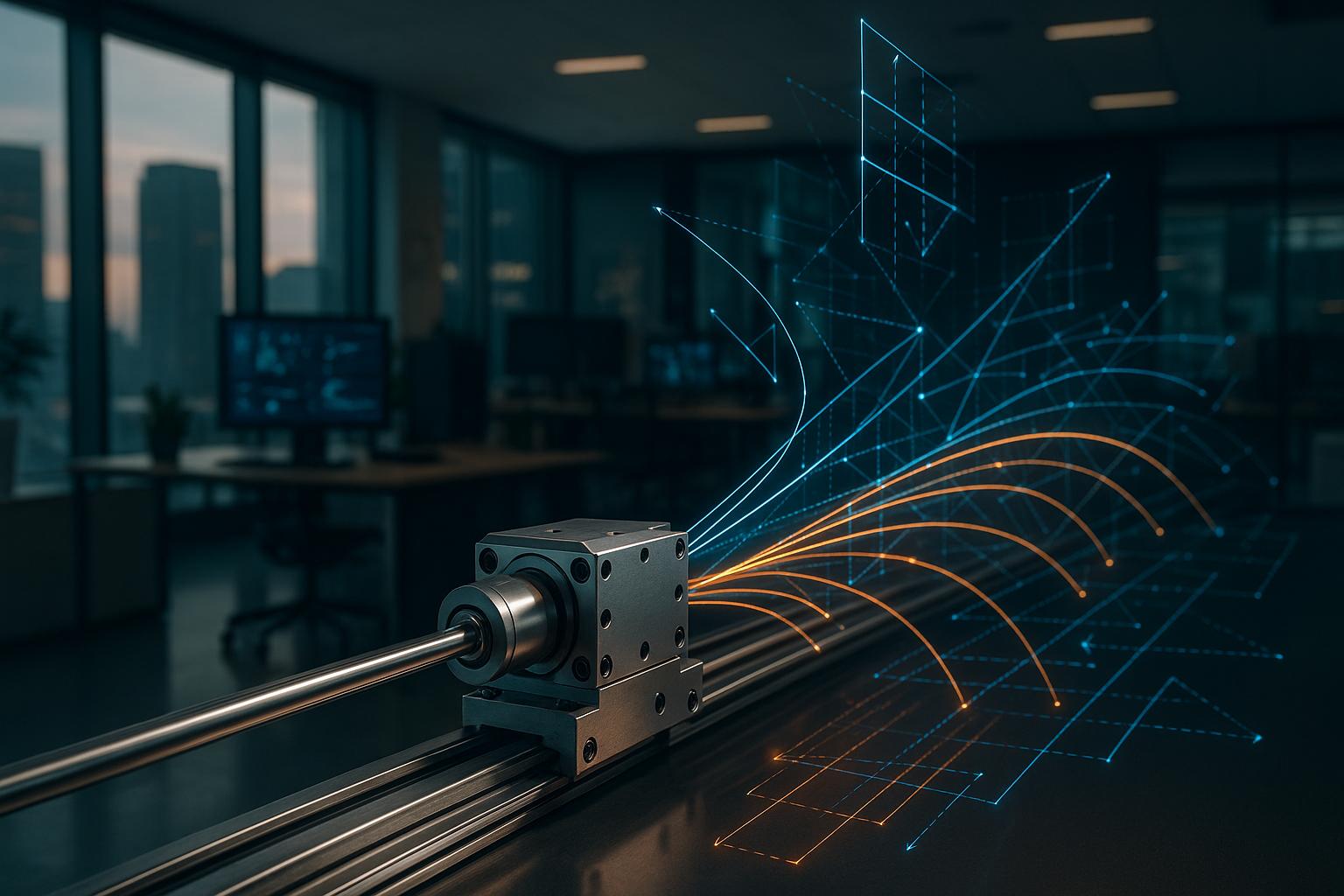
Many technology leaders today face a common challenge: engineering teams are leveraging AI to accelerate code generation, yet product release schedules often remain unchanged. This phenomenon can be described as a "turbocharger in traffic." The speed of individual components matters less if the surrounding infrastructure is congested with manual processes and disconnected tools.
To achieve a meaningful return on investment (ROI) from AI, organizations must look beyond individual productivity gains and address the systemic bottlenecks that impede enterprise progress.
Beyond the Chatbox: From Assistants to Agents
To unlock the full potential of generative AI, mid-market and enterprise organizations need to evolve from using reactive assistants—tools that primarily autocomplete code—to deploying proactive agents.
Consider an assistant as a powerful tool, while an agent functions more like a fractional team member. An assistant typically waits for a prompt, whereas a proactive agent operates autonomously within a workflow. For example, an agent could scan pull requests for security vulnerabilities or validate new features against Product Requirement Documents (PRDs) before a human developer even reviews the code. This represents a shift from "waiting for input" to "driving outcomes."
Automating the 'Connective Tissue'
In many organizations, the actual coding phase is rarely the primary source of delay. The real friction often lies in the "connective tissue"—the transitions between design, development, and quality assurance (QA). To accelerate go-to-market cycles, these inter-stage gaps must be automated. This includes:
- Dynamic Documentation: Ensuring that API specifications and technical documentation are updated in real-time as the codebase evolves.
- Upstream Validation: Identifying potential logic flaws and architectural conflicts early, before production code is written.
- Automated Impact Analysis: Predicting how a minor change in one microservice might affect the broader ecosystem, thereby preventing downstream failures.
Automating these handoffs can significantly reduce idle time and improve project timelines.
Bridging the Governance Gap: Addressing Shadow AI
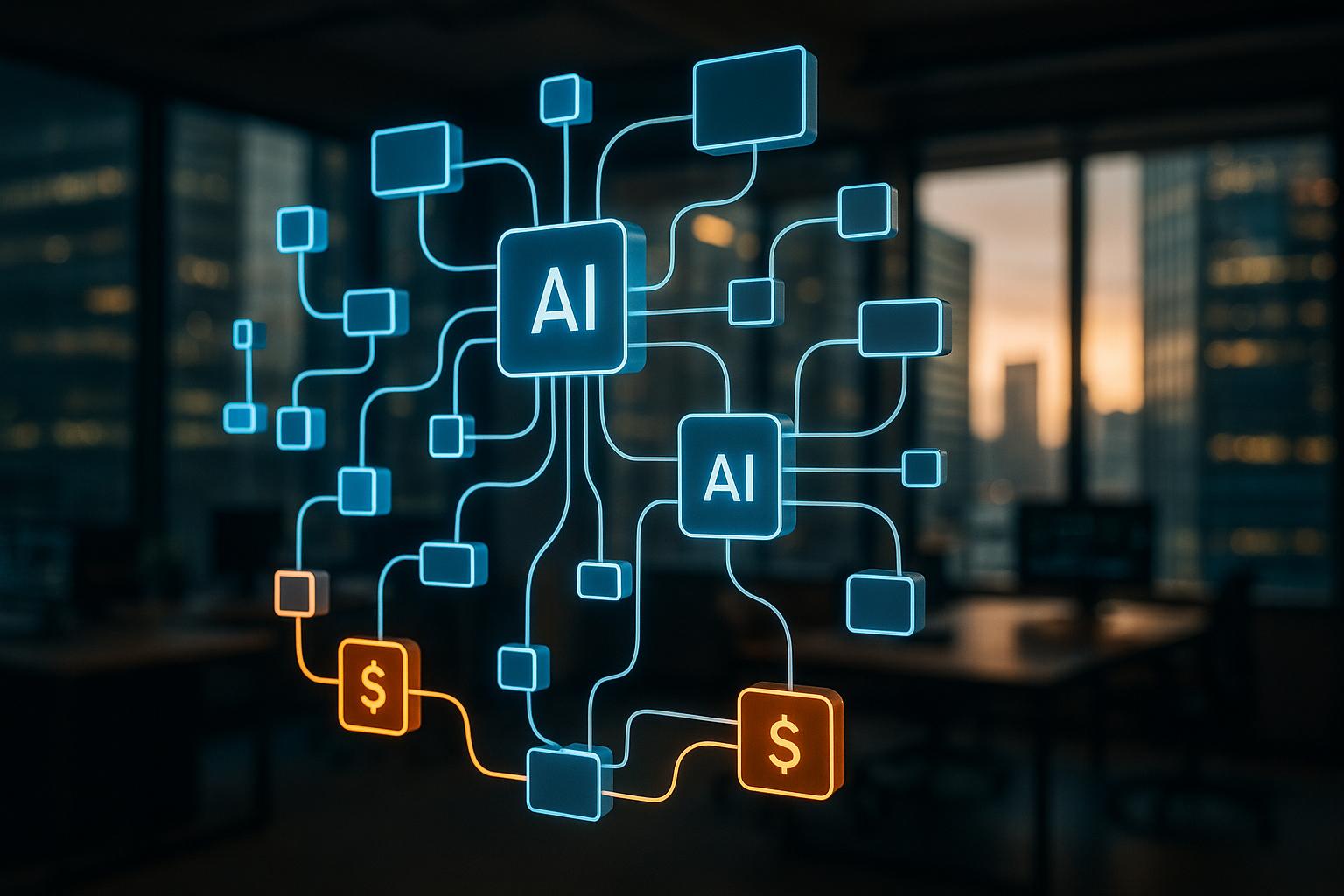
When developers resort to copying proprietary code into public, browser-based Large Language Models (LLMs) to complete tasks, organizations encounter the rise of "Shadow AI." This practice can lead to fragmented, insecure environments, risking data privacy and introducing inconsistencies in business logic.
True transformation occurs when AI is integrated directly into existing CI/CD pipelines and cloud infrastructure. Embedding AI within central workflows ensures that automation is governed, secure, and aligned with specific business requirements. This approach not only enhances security but also helps guarantee that AI outputs meet the company's quality standards.
The Bottom Line: Moving Toward Measurable ROI
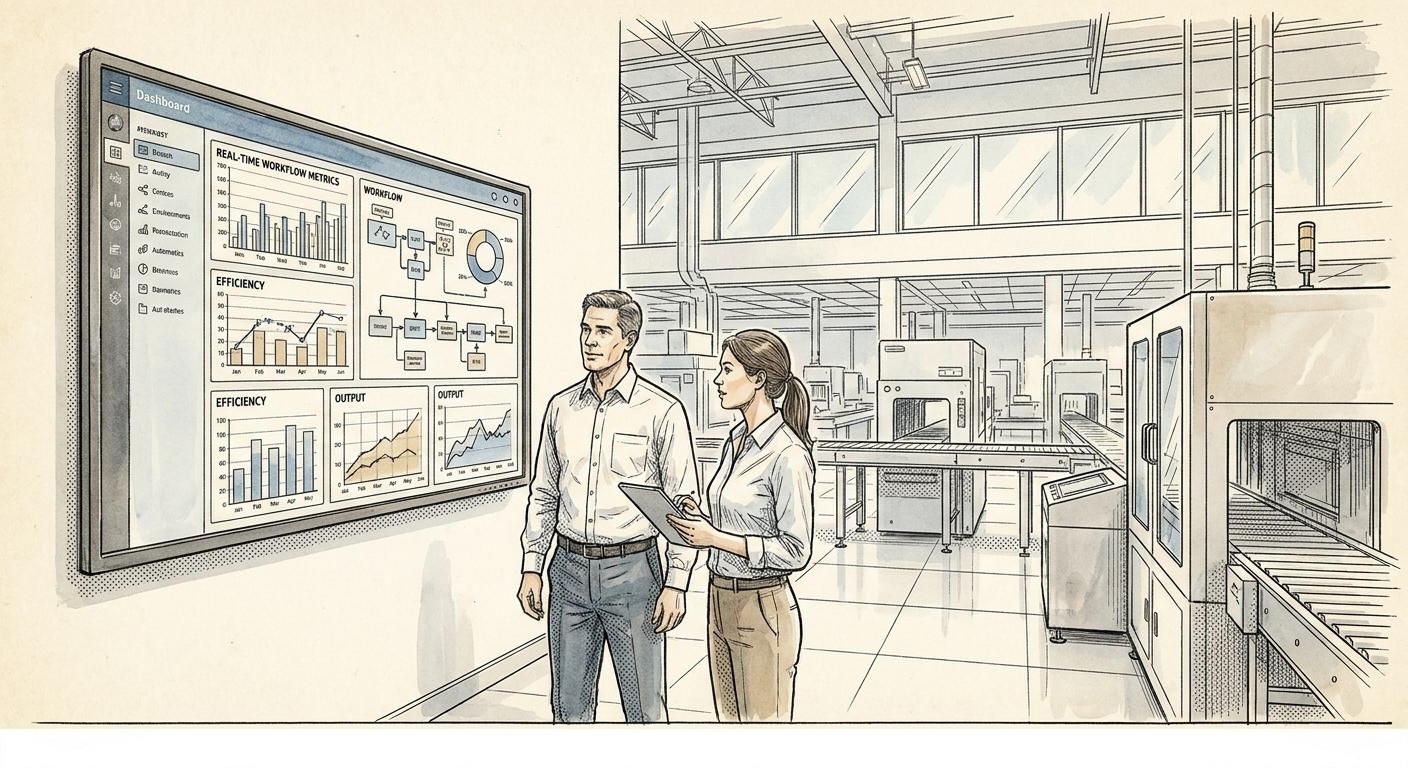
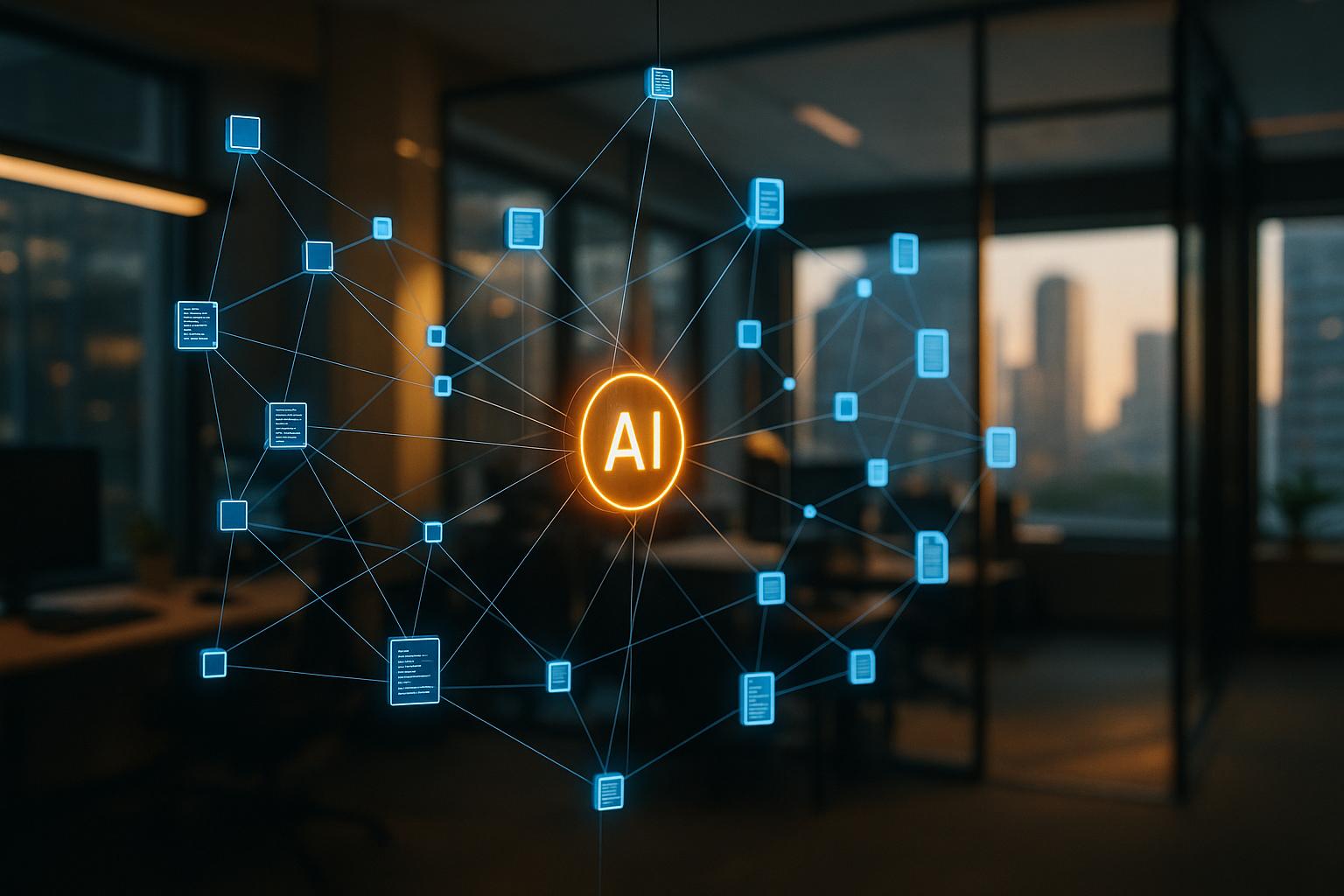
If AI initiatives are not demonstrably shortening release cycles or improving software reliability, the challenge may not be the technology itself, but rather its orchestration. AI should not be treated as an isolated experiment; instead, it should function as the operational glue that connects and optimizes the entire software delivery lifecycle.
Ready to bridge the gap between AI strategy and execution? Explore how integrated AI solutions can transform your operations from theory to measurable business impact.