
.svg)


5
min read

June 24, 2026
Beyond the Keystroke: Why Your AI Strategy Needs Smarter Tools, Not Just Faster Ones
Visit almost any engineering department today, and you'll likely see tools like GitHub Copilot or ChatGPT in use. Leaders often observe code being generated more quickly and boilerplate tasks diminishing, leading to an assumption that productivity is significantly increasing. However, a look at quarterly release calendars frequently reveals a different story: shipping dates often remain unchanged.
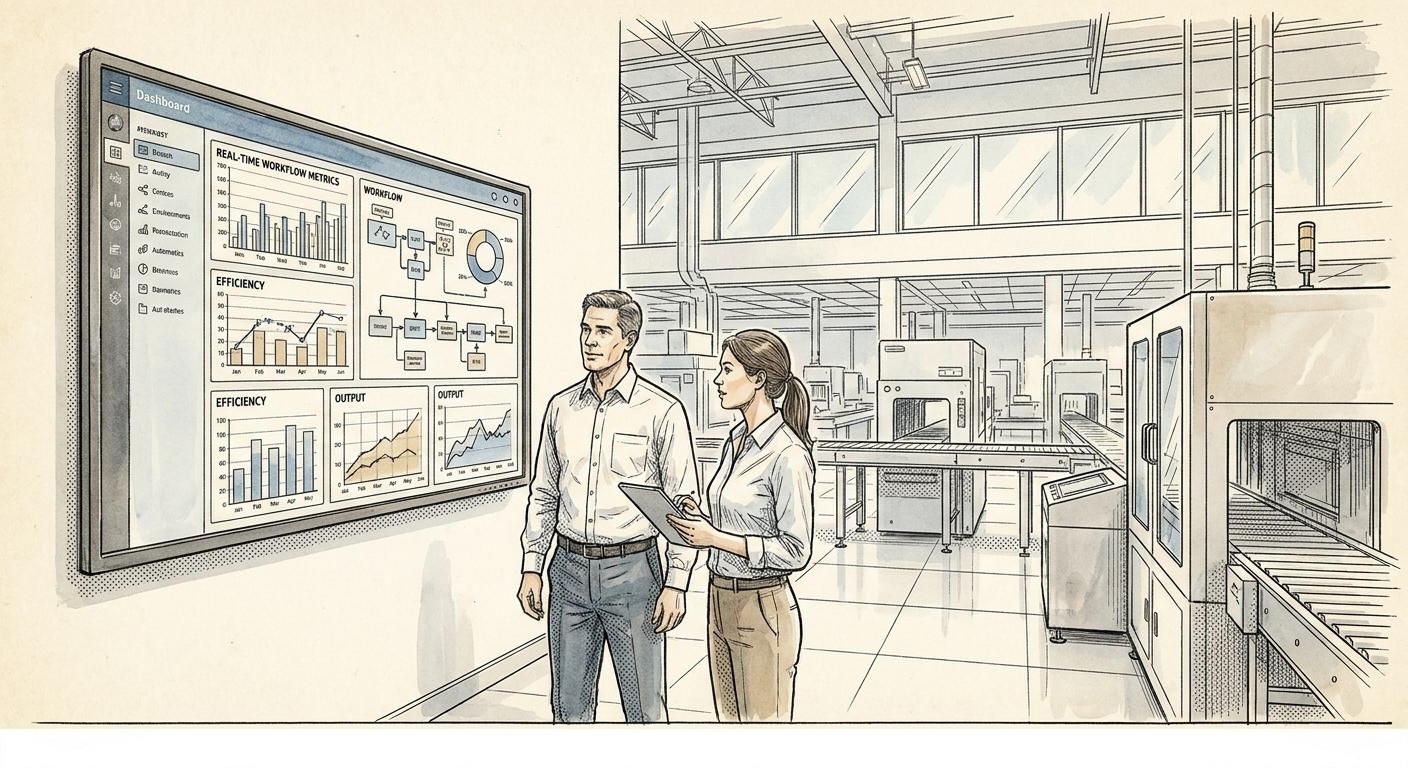
At iForAI, we identify this as the "Turbocharger in Traffic" phenomenon. It's akin to boosting an engine—the developer—while the vehicle remains stuck in a gridlock of manual handoffs, outdated documentation, and numerous alignment meetings. When the rest of a delivery pipeline relies on manual processes, individual efficiency gains may not translate into significant organizational return on investment (ROI).
From Reactive Assistants to Objective-Driven Agents
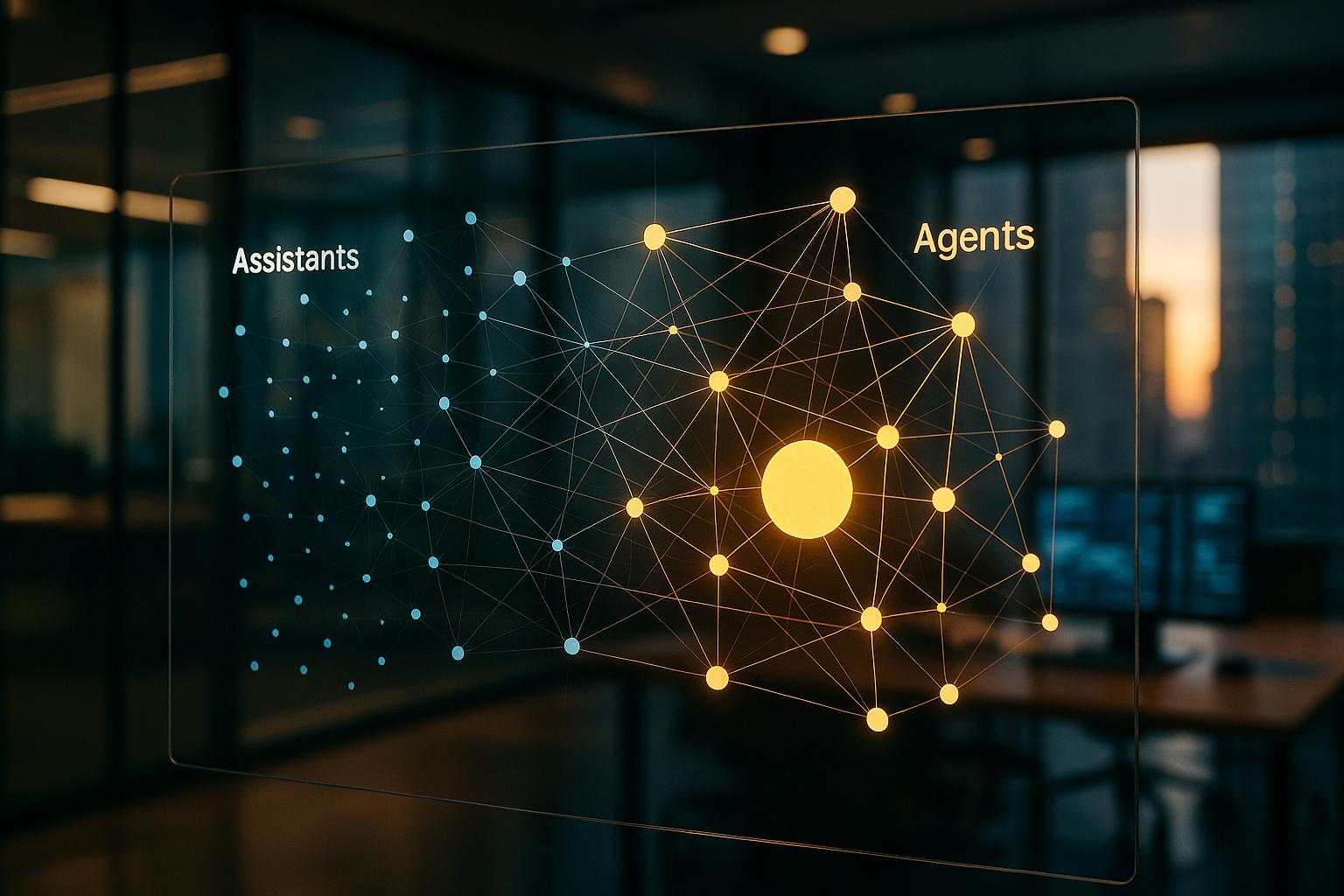
To overcome these bottlenecks, enterprise AI strategy needs to evolve from focusing on AI Assistants to implementing AI Agents. This distinction is more than semantic; it represents a fundamental shift in how work is accomplished.
- AI Assistants are reactive. They typically wait for a prompt, assisting with tasks like completing sentences or suggesting code. They function as tools for individual users.
- AI Agents are mission-driven. Instead of receiving prompts, they are given objectives. An agent doesn't just help write code; it can proactively analyze a pull request for security vulnerabilities, update corresponding API documentation, and flag potential architectural risks to a lead engineer before they become technical debt.
Automating the "Connective Tissue"
The most substantial gains in AI transformation often come not from writing code marginally faster, but from automating the friction between workflow steps—what we refer to as the "connective tissue" of engineering processes.
We collaborate with mid-market and enterprise teams to deploy agents that manage the intensive tasks that frequently slow down high-value talent:
- Dynamic Documentation: Agents can ensure that READMEs and technical specifications are automatically updated in sync with code changes, helping to prevent "documentation rot."
- Product Requirements Document (PRD) Validation: By scanning requirements early in the development cycle, agents can identify logic gaps or infrastructure conflicts before any code is written.
- Automated Code Reviews: This goes beyond basic linting to include contextual analysis of how a proposed change might impact the broader system.
The Strategic Shift: From Shadow AI to Integrated Infrastructure
Many organizations currently experience "Shadow AI"—a fragmented collection of individual tools often used in separate browser tabs. While these tools might help a developer complete a task more quickly, they may not accelerate overall product delivery. Instead, they can inadvertently create new silos.
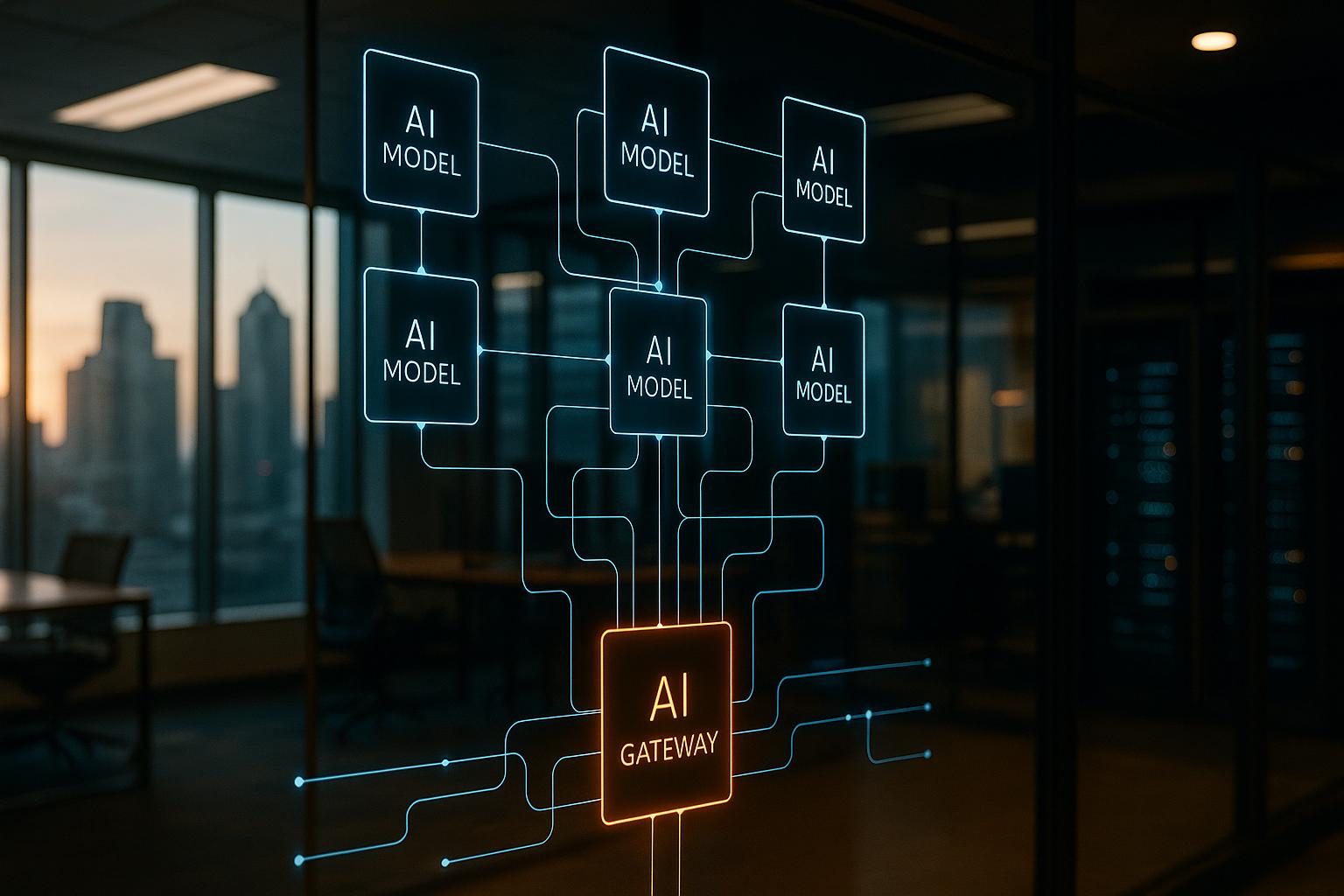
True AI maturity is achieved when AI transitions from being a personal shortcut to a core component of your Continuous Integration/Continuous Delivery (CI/CD) pipeline. By integrating intelligent agents directly into your existing technology stack—securely and at scale—AI can become a measurable delivery engine rather than a series of disconnected experiments.
The key takeaway? Shift your focus from measuring AI success by the volume of code produced to measuring it by the speed and efficiency of delivery.
Ready to move beyond individual keystroke improvements? Let's transform your AI experimentation into a high-impact delivery system.