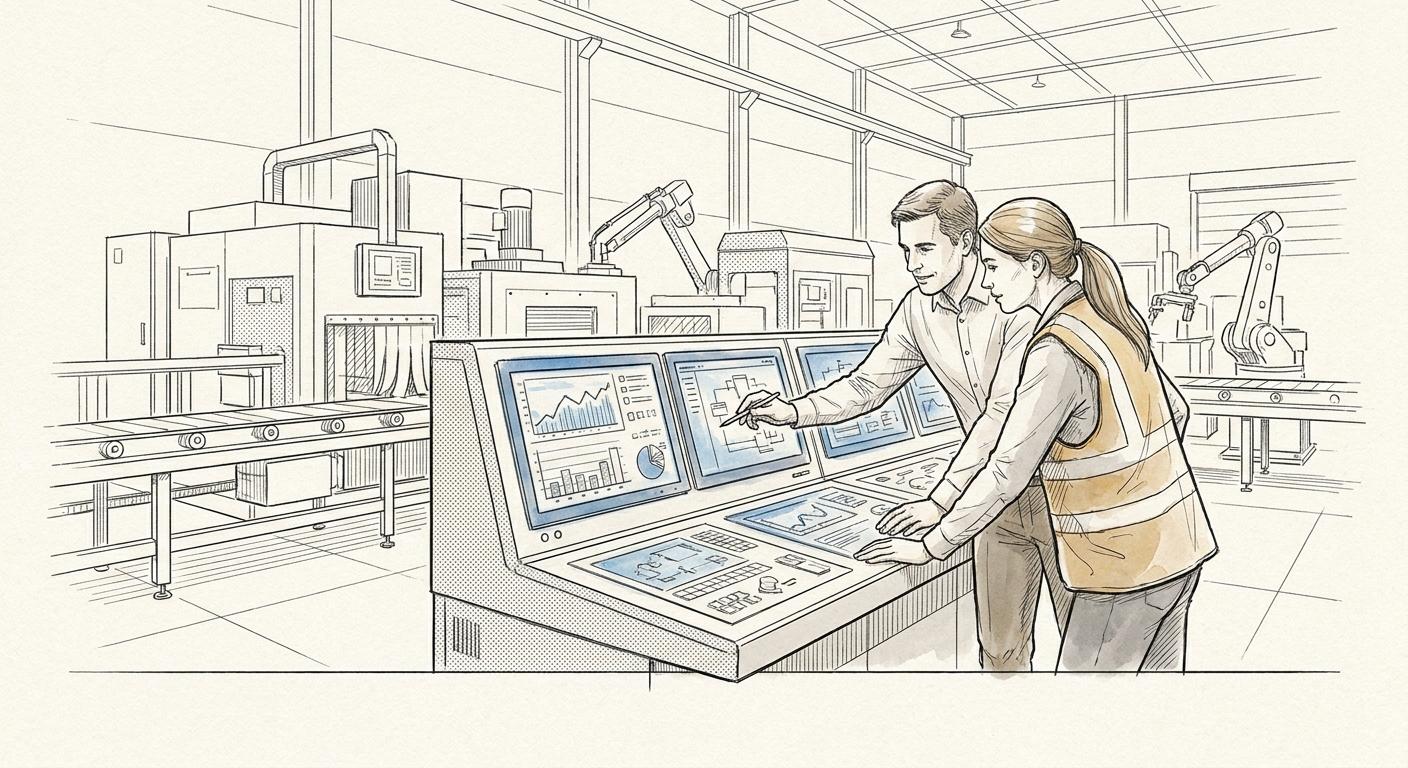
Many leaders in innovation and technology share a common challenge: the immense pressure to master every AI update, evaluate every new tool, and architect every automated workflow. This often leads to a phenomenon we call the "Solo Innovator" myth—a belief that one person can single-handedly drive an organization's AI transformation. However, this approach can lead to professional burnout and stalled return on investment (ROI).
The Weight of the AI Frontier
Leading an organization's AI transition involves more than just upgrading technology; it often means re-engineering how people work. This complexity introduces several significant burdens:
This isolation not only impacts the leader's well-being but can also result in "pilot purgatory," where promising ideas fail to scale because the individual driving them lacks the bandwidth to see them through to full integration.
Shifting from Solitary to Systematic
Sustainable AI transformation, which significantly impacts an organization's bottom line, requires a fundamental shift in perspective. Instead of relying on a single expert, organizations benefit from a resilient system of support.
An "integrated partnership" model, where external operators work directly within an organization's cloud and data stacks, can offload the tactical burden of building and testing AI solutions. This approach allows internal leaders to focus on their primary mandate: identifying high-value business opportunities and driving enterprise-wide adoption.
Building for the Long Haul
To transition from individual vulnerability to organizational success, consider these three pillars for a resilient AI strategy:
The Bottom Line
AI transformation is a long-term endeavor. If the journey feels overwhelming, it may indicate a need for a robust support system rather than increased individual effort. Real impact in AI is achieved when expert execution aligns with a clear business vision.