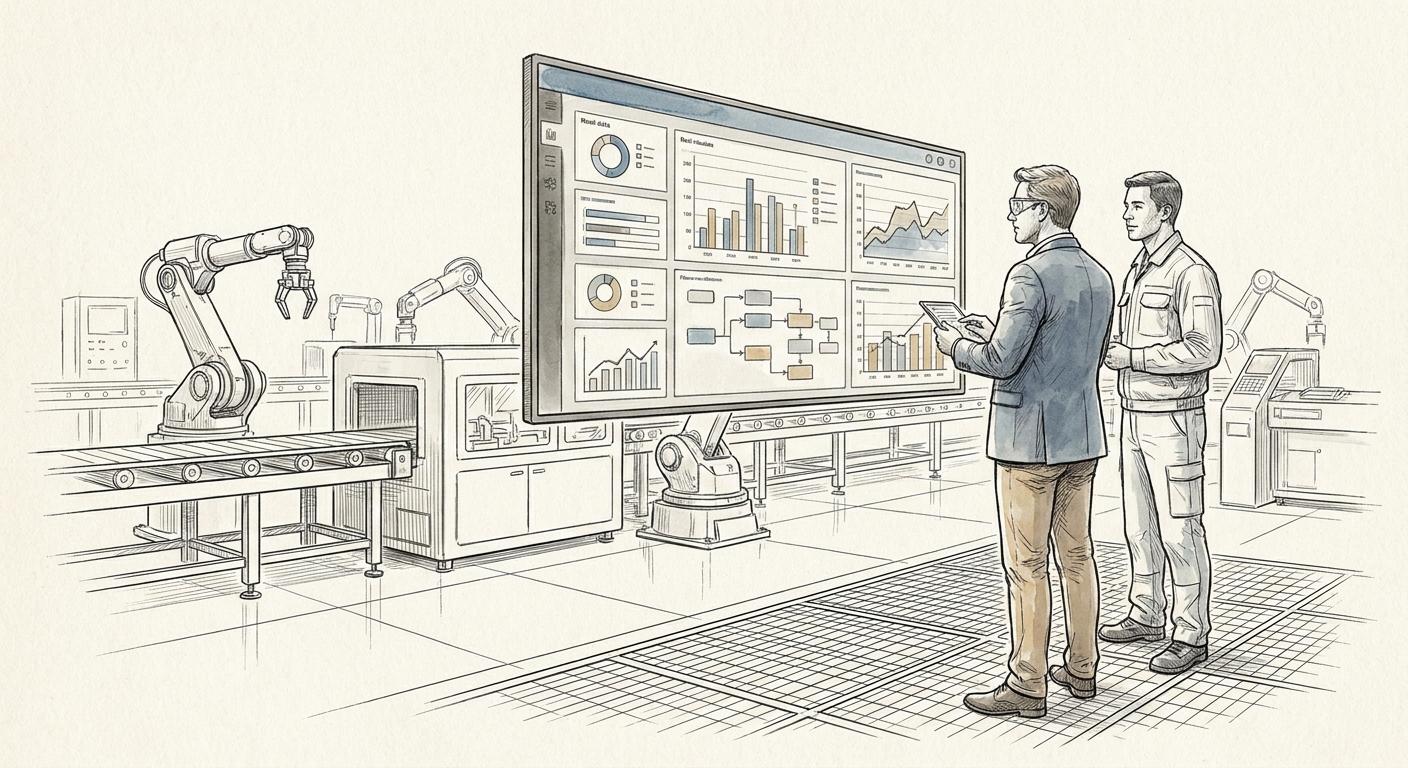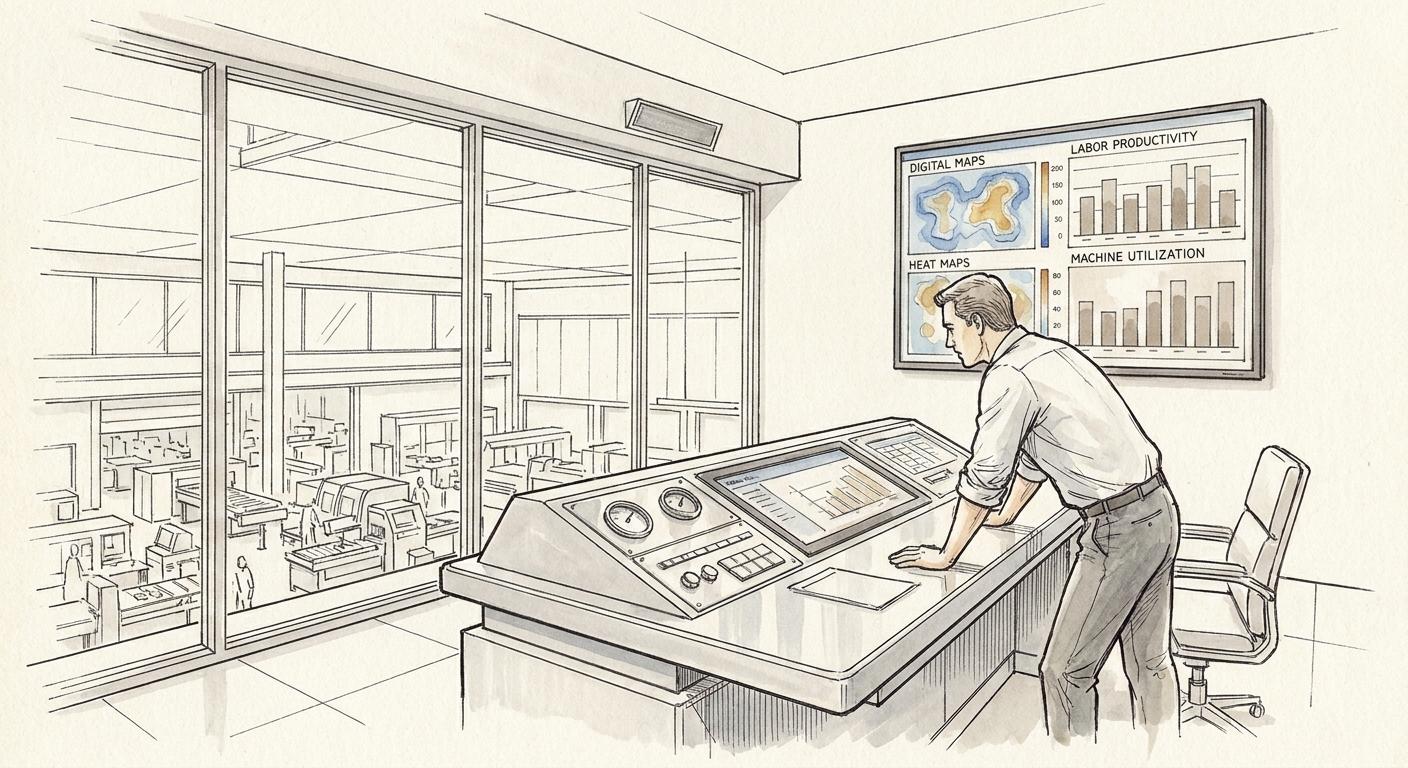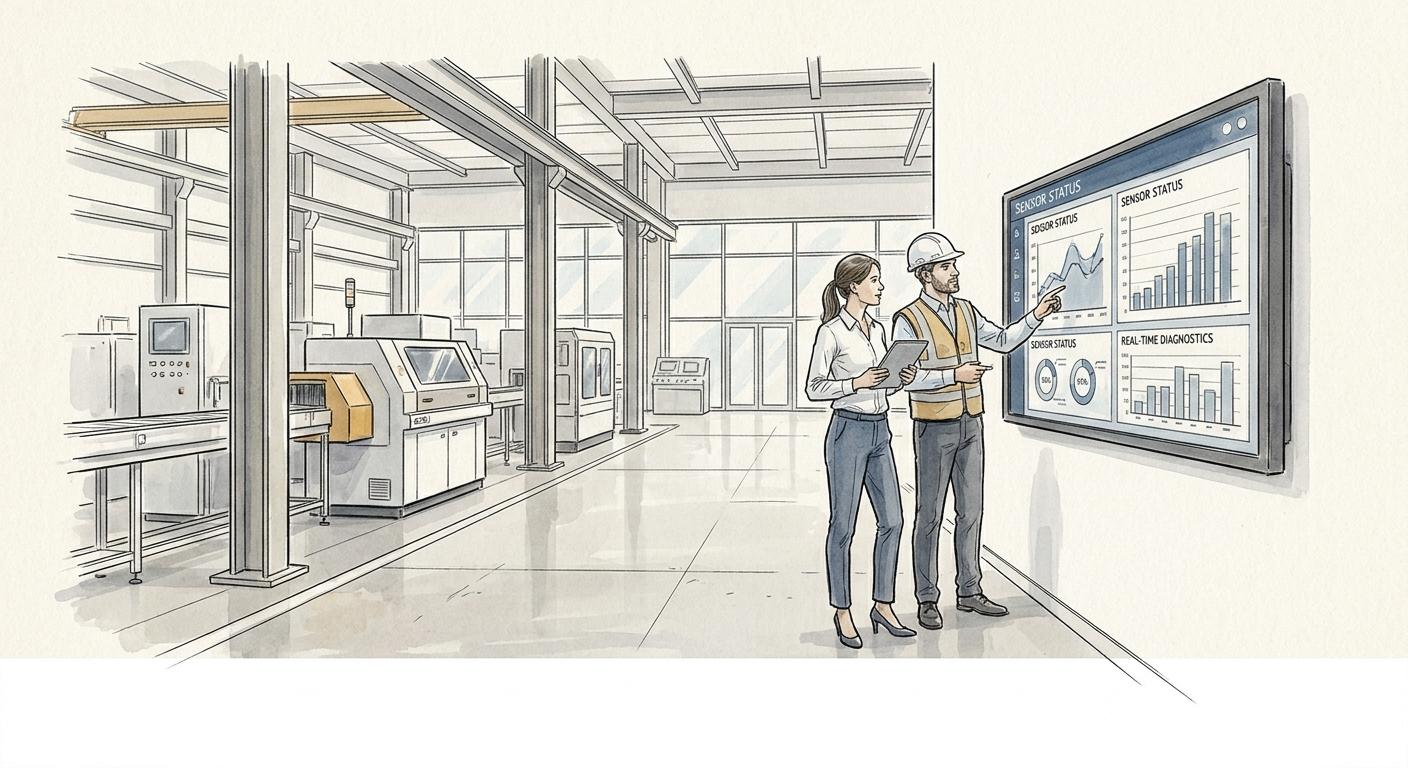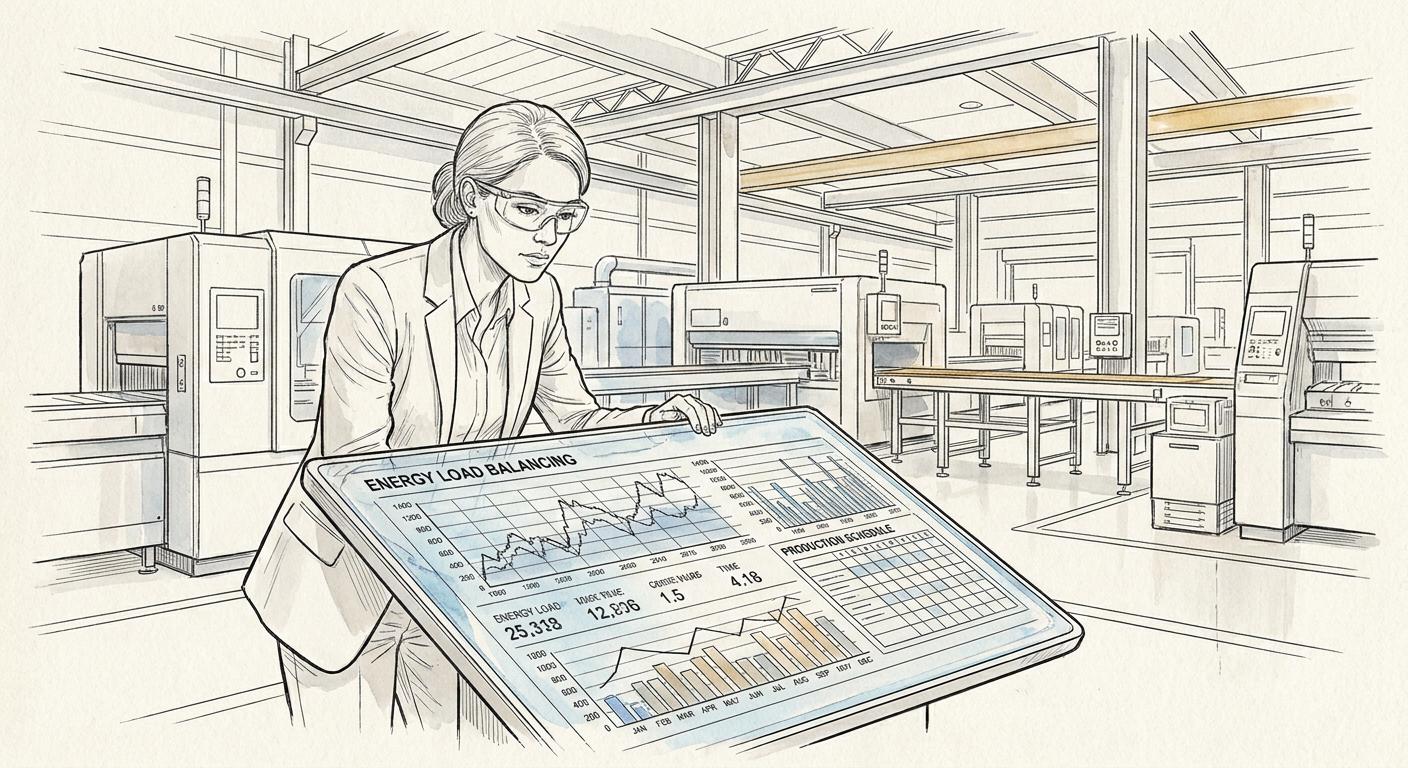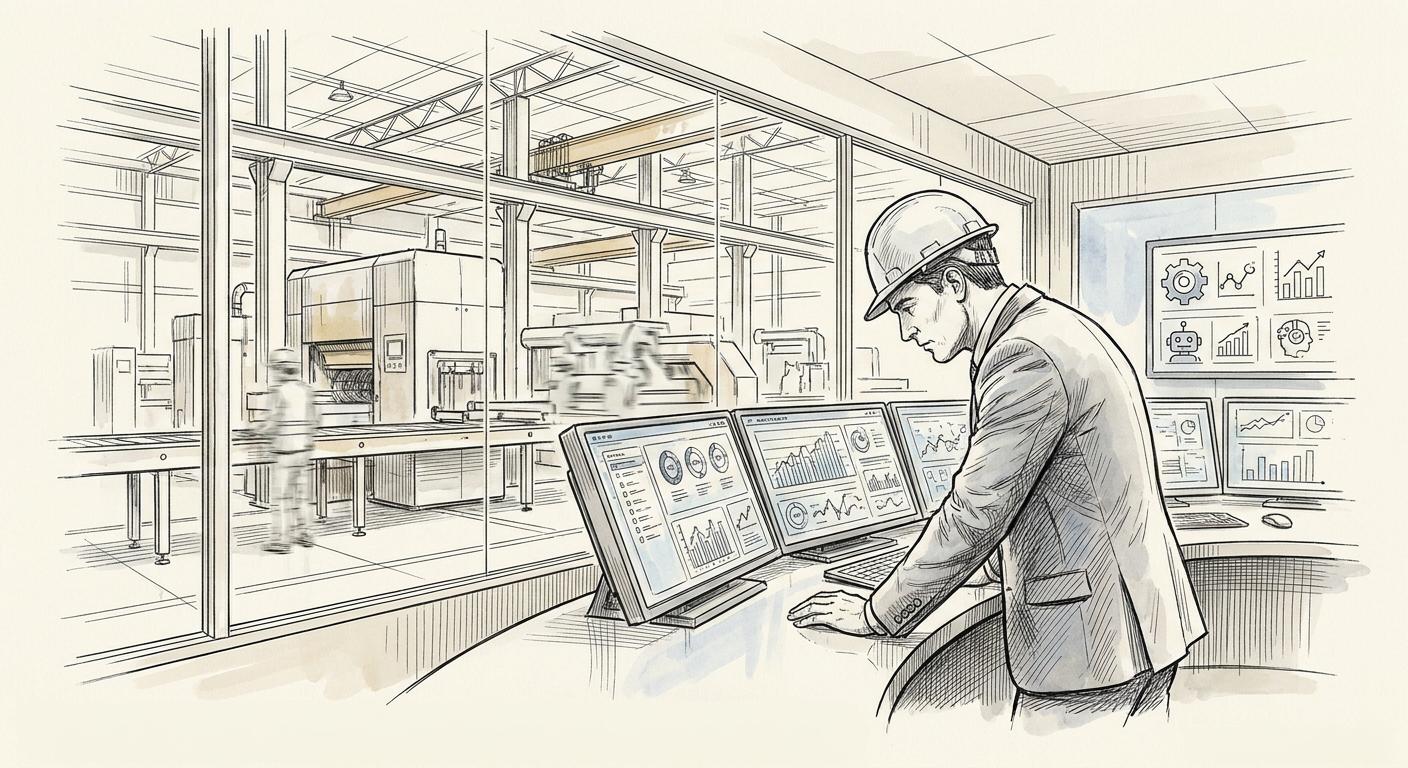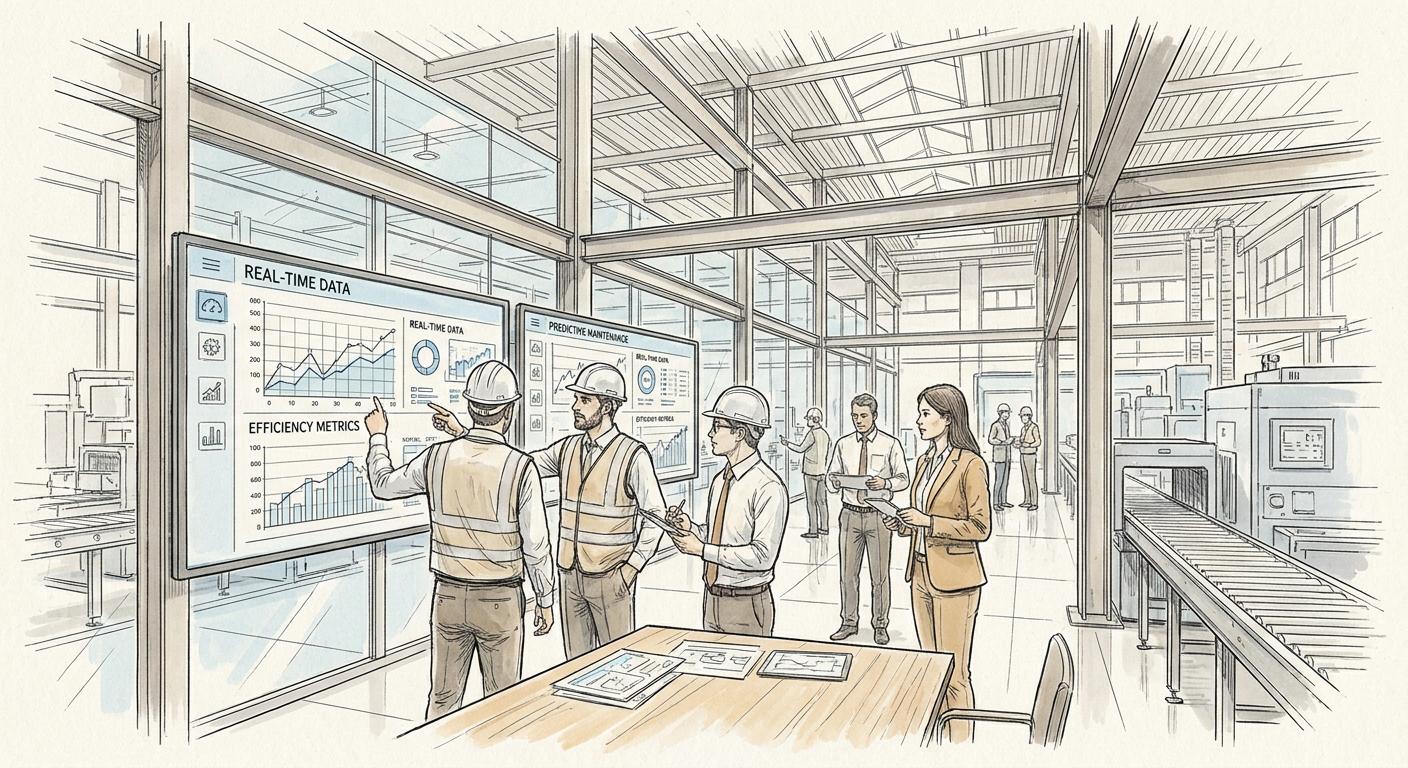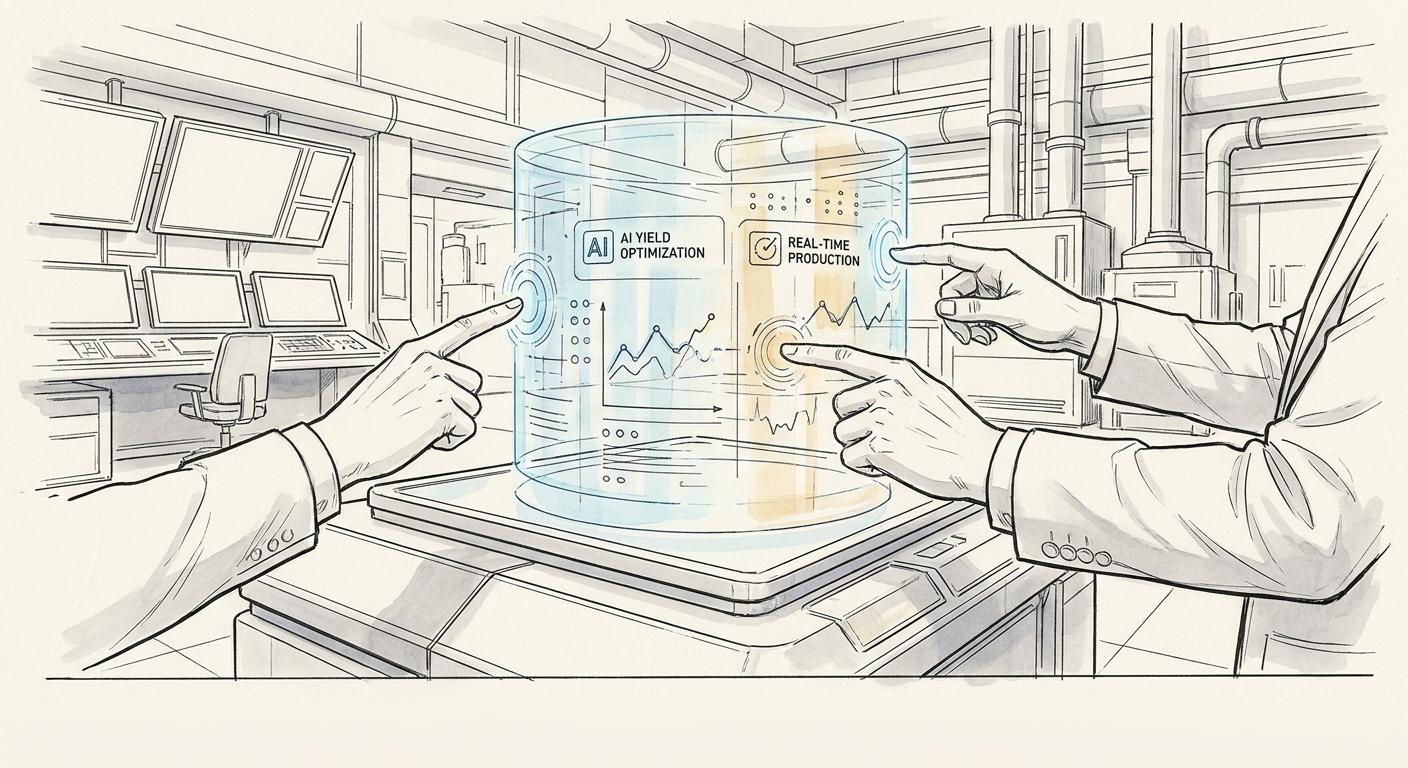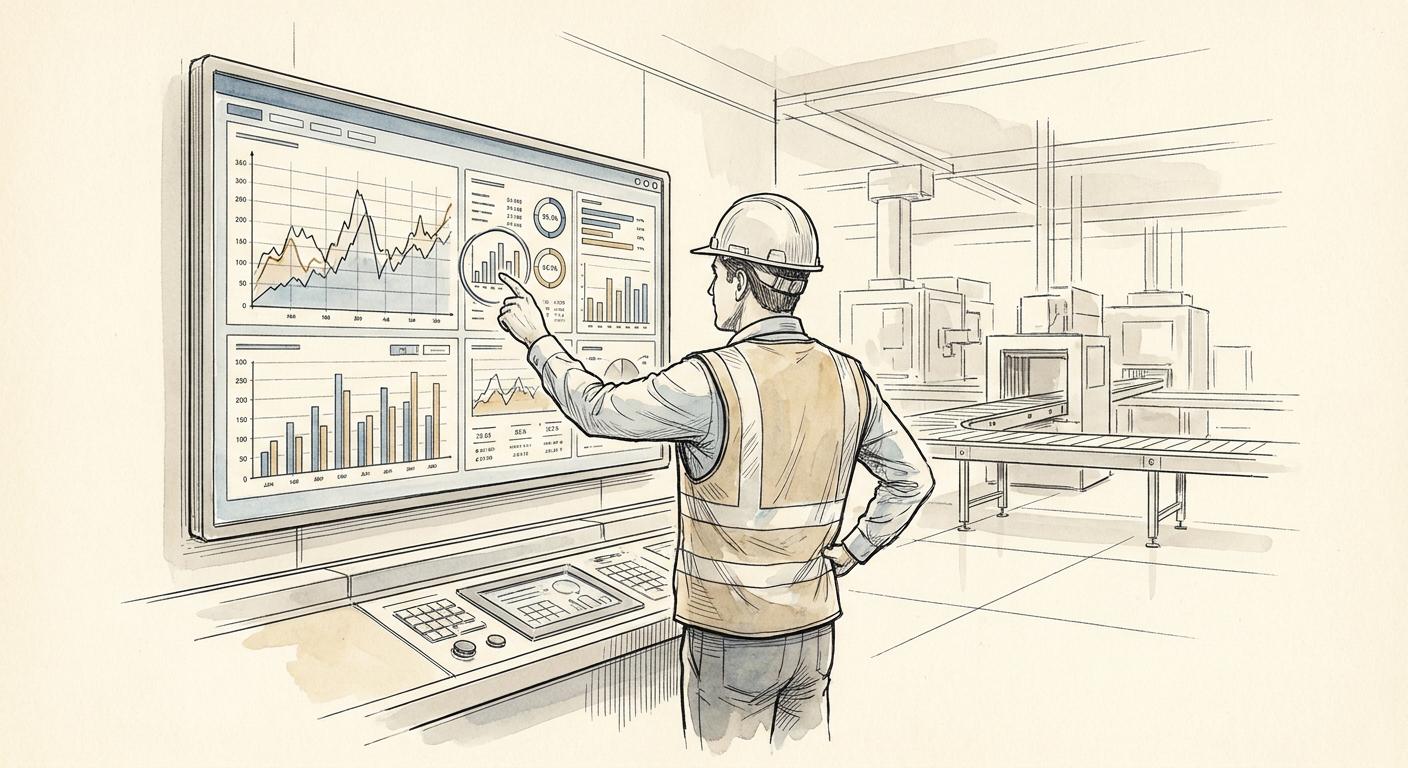
Manufacturing COOs often find themselves data rich but insight poor. You likely have millions of data points flowing through your systems, yet margin erosion from OTIF misses and estimate-vs-actual gaps persists because your operational data remains siloed or inconsistent. Successful AI integration for MES SCADA depends on your ability to transform raw sensor noise into a clean, contextualized stream. This guide outlines the specific technical and operational requirements to move from messy legacy datasets to a production-ready AI roadmap that delivers measurable results in under 90 days. The Gap Between Raw Data and Actionable AI Most manufacturing leaders have been told their data is "too messy" for advanced analytics. The reality is that many legacy Manufacturing Execution System AI initiatives fail not because of the algorithms, but because the underlying data lacks the necessary structure for machine learning. When your MES and SCADA systems operate in isolation, you lose the "thread" of a production run, making it impossible for AI to identify the root cause of yield loss or downtime.
AI-ready manufacturing data is industrial data that is high-fidelity, contextualized with metadata, and accessible via a Unified Namespace (UNS) for real-time processing by machine learning models. Without this foundation, any AI pilot will struggle with model drift or inaccurate predictions, leading to low adoption among plant floor operators. Step 1: The Connectivity Audit (Sensors to Edge) The first step in preparing factory data for artificial intelligence is auditing your physical connectivity. We often see firms with high-end sensors that only poll data every 15 minutes, which is insufficient for predictive maintenance or real-time quality control. You need to evaluate your data frequency and protocol standardization across the plant floor.
Moving toward MQTT or Sparkplug B protocols allows for report-by-exception communication, which reduces network load while ensuring high-resolution data reaches your AI models. At iForAI, we focus on establishing these high-fidelity pipelines early; for example, we reduced validation time for a massive payments processor from 3 minutes to 20 seconds by optimizing how data was ingested and processed. The same logic applies to your SCADA tags - if the latency is too high, the AI is looking at history, not the present. Step 2: Data Contextualization and Semantic Tagging Raw timestamps from a PLC are functionally useless to an AI model if they aren't linked to business logic. To drive EBITDA improvement, the AI needs to know that "Pressure Sensor 04" is linked to "Batch ID 998," "Asset X," and "Operator Shift B." This is known as semantic tagging.
Effective Industrial Data Ops requires layering MES metadata over SCADA telemetry. By creating a unified view, you enable the AI to spot patterns such as a specific shift consistently hitting higher OTIF rates or a particular raw material supplier causing higher-than-average machine wear. This contextualization turns "data" into "institutional knowledge" that can be used to improve exit readiness and operating leverage. Step 3: Calculating Data "Health" Scores Before shipping a use case, you must quantify your MES data quality for machine learning. AI models are sensitive to "noise" - outliers, missing values, and sensor drift that can lead to AI hallucinations. We recommend calculating a health score for every critical data stream involved in your initial use case.
Completeness: Are there gaps in the historian records? Accuracy: When was the last time the physical sensor was calibrated? Consistency: Does the MES record the same "finished good" count as the manual end-of-line tally?
Identifying these gaps during the first 30 days of an engagement prevents the "garbage in, garbage out" cycle that plagues most failed AI pilots. Our methodology focuses on a 56% average increase in AI readiness across clients by systematically fixing these data integrity issues before deployment. Step 4: Infrastructure Readiness for 60-90 Day Execution Traditional consultants often recommend a 2-year ERP/MES overhaul before starting with AI. This is a mistake that destroys time-to-value. Instead, focus on building a OT data pipeline that sits alongside your current systems, often utilizing a Unified Namespace (UNS).
This architectural approach allows you to pipe data from legacy historians into a scalable data lake without disrupting ongoing production. This setup supports a quick win mentality, where you can move a specific use case - like predictive quality for a high-margin product line - into production within 12 weeks. This speed is critical for PE-backed manufacturers looking to demonstrate value creation long before the exit window closes. The iForAI Advantage: From Data Mess to Shipped Use Case The technical gap between IT and OT is where most AI projects die. Our team of 35+ specialists acts as the operating wedge, handling the complex engineering required to extract data from legacy SCADA systems and feed it into production-ready models.
We don't just provide a roadmap; we ship a live use case in 8-12 weeks through our AI Starter Package. Whether it's reducing manual customer service effort by 60% or tightening the gap between estimate and actual costs on the floor, we focus on the metrics that impact the P&L. By combining strategy, execution, and deep upskilling for your existing staff, we ensure that the AI tools we build are actually adopted by the people on the plant floor. FAQs Can we implement AI if our MES is several versions out of date? Yes. You do not need a full MES overhaul to start. By utilizing edge gateways and middleware, we can extract and contextualize data from legacy systems, allowing you to build a sophisticated AI layer without the cost and risk of a complete system replacement.
How do we ensure AI insights are delivered in real-time to plant managers? We prioritize low-latency data pipelines and mobile-first dashboards. This ensures that plant managers receive actionable alerts regarding yield or downtime risk directly on their devices, rather than having to pull reports from an office terminal.
What is the SCADA AI implementation roadmap for a typical factory? The roadmap typically begins with an 8-week data audit and connectivity setup, followed by 4 weeks of model training on contextualized data. By week 12, a specific, measured use case is live in production, providing a repeatable playbook for the rest of the facility.
How does AI integration help with OTIF misses and margin leakage? AI identifies the leading indicators of production delays - such as micro-stoppages or subtle temperature fluctuations - that human operators often miss. By correcting these in real-time, you reduce scrap and ensure orders stay on schedule, directly protecting your margins.
Effective AI integration turns your MES/SCADA data into a strategic asset that drives EBITDA and operational excellence.
Book a Manufacturing Diagnostic at ifor.ai/solutions/manufacturing