
.svg)


4
min read

June 24, 2026
Beyond Copilots: Building Agentic Workflows for the SDLC
Many CTOs and engineering leaders observe their GitHub Copilot adoption rates and might assume their "AI transformation" is complete. However, a quiet frustration is emerging in the mid-market: despite significant investment in AI tools, release cycles are not consistently shortening. This situation is comparable to installing a high-performance engine in a vehicle stuck in traffic; the potential is there, but the desired progress remains elusive.
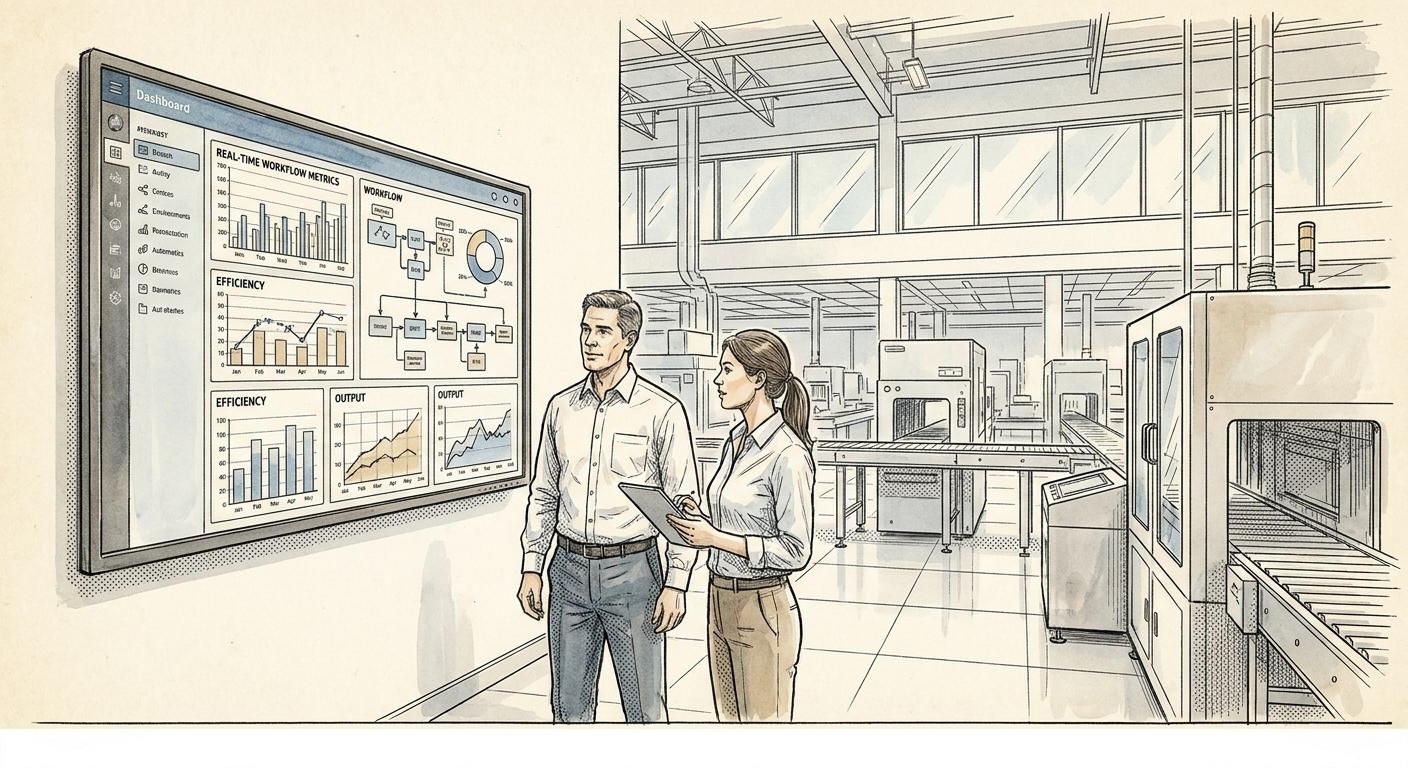
The primary bottleneck in modern software delivery often isn't the act of writing code itself. Instead, it's the connective tissue surrounding it: security audits, documentation delays, architectural reviews, and numerous handoffs that consume valuable time. To achieve genuine return on investment (ROI), organizations need to shift from reactive AI Assistants to proactive AI Agents.
AI Assistants vs. AI Agents: Understanding the Distinction
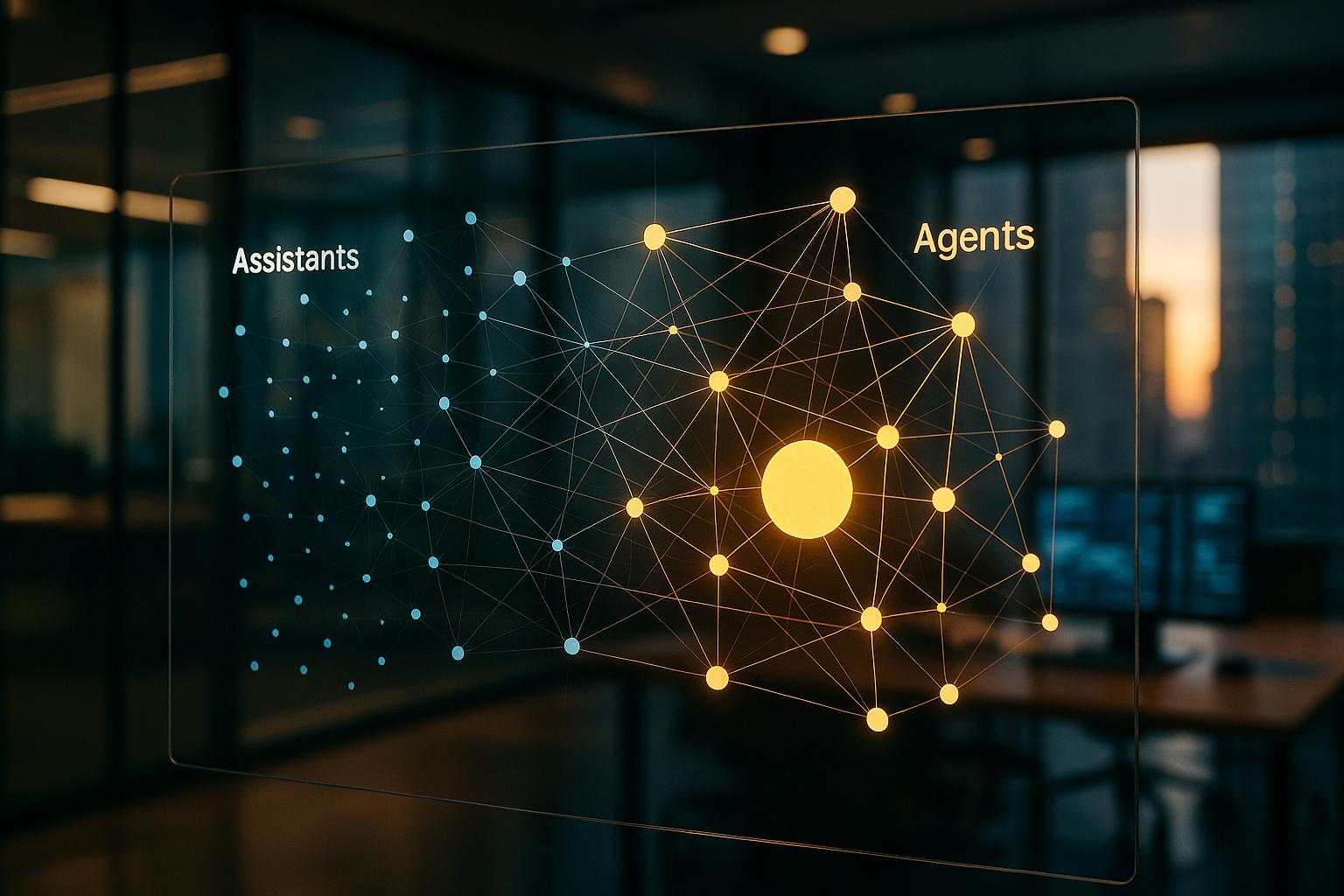
It's crucial to differentiate between these two AI paradigms. An AI Assistant is typically reactive, offering suggestions or fixes in response to a developer's input, much like an advanced spell-checker for code logic.
An AI Agent, conversely, is objective-driven. Instead of merely requesting a line of code, you assign it a mission. Consider it a digital team member focused on managing outcomes. For example, an agentic workflow might involve an agent reviewing a pull request for security vulnerabilities, updating technical documentation to reflect changes, and alerting an architect if a modification breaches compliance standards like SOC2.
Automating Friction in Your Development Pipeline
For mid-market companies operating with lean teams, AI agents can act as a strategic force multiplier. They can manage high-stakes, routine tasks that often lead to senior developer burnout or project delays. By integrating agents into existing systems—from communication platforms like Slack to CI/CD pipelines—organizations can automate common points of friction:
- Living Documentation: Agents can update schemas, API specifications, and README files in real-time as code is merged, helping to ensure documentation remains current.
- Continuous Compliance & Security: Rather than waiting for manual audits, agents can perform deep-logic security scans when a pull request is opened, potentially identifying flaws before they reach production.
- Architectural Alignment: Agents can cross-reference new features against existing cloud infrastructure and roadmaps, helping to identify potential technical debt or conflicts early in the development cycle.
From Individual Productivity to Systemic Momentum
While individual productivity gains are beneficial, they don't automatically translate to organizational agility if surrounding processes remain manual and fragmented. True AI transformation is not solely about increasing code volume; it's about fostering systemic momentum—the speed at which an idea progresses to a deployed, secure, and documented reality.
By adopting agentic workflows, organizations can integrate AI into their existing processes, transforming it from a disconnected tool into a coherent working system. This approach enables mid-market leaders to move beyond initial AI pilots toward achieving measurable business outcomes.
Ready to explore how AI agents can transform your development lifecycle? Discover how to bridge the gap between AI strategy and execution.