

.svg)

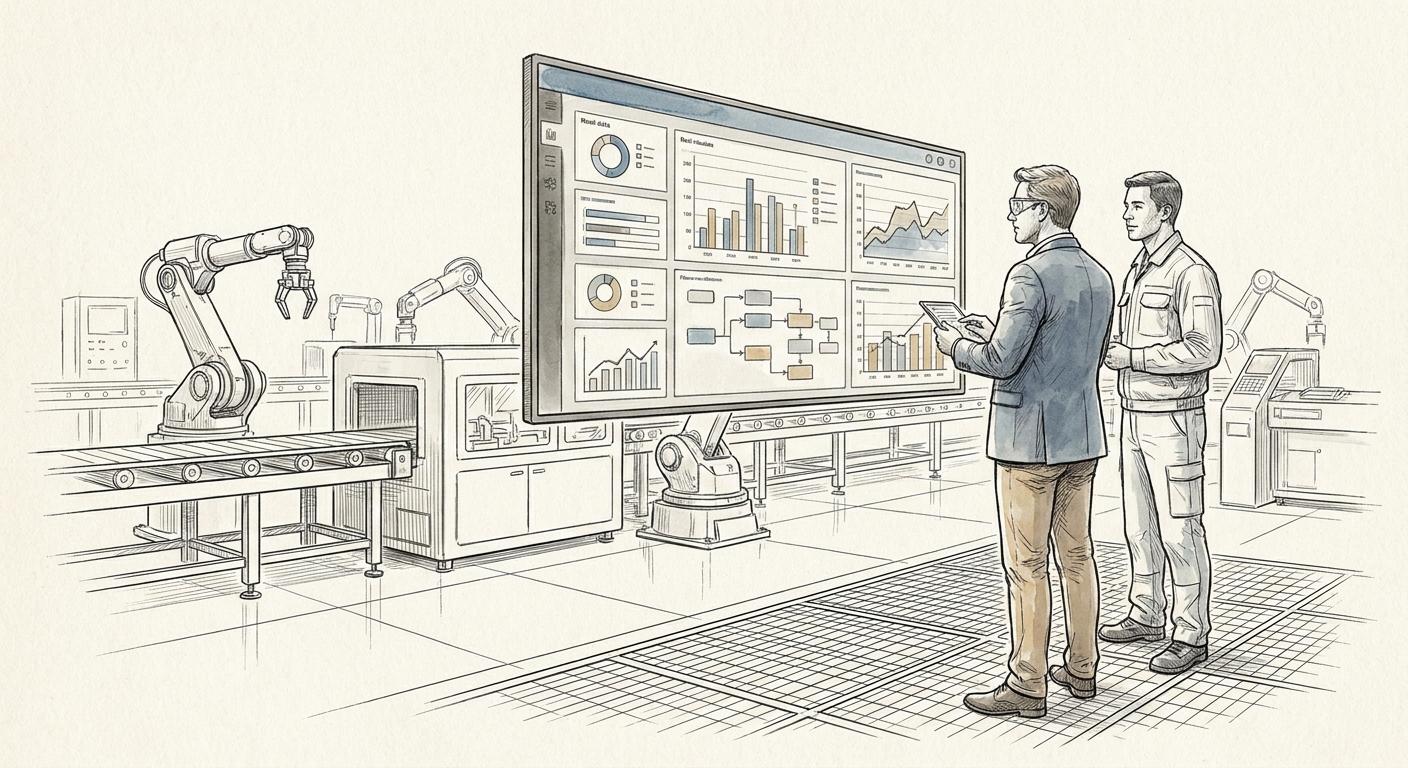
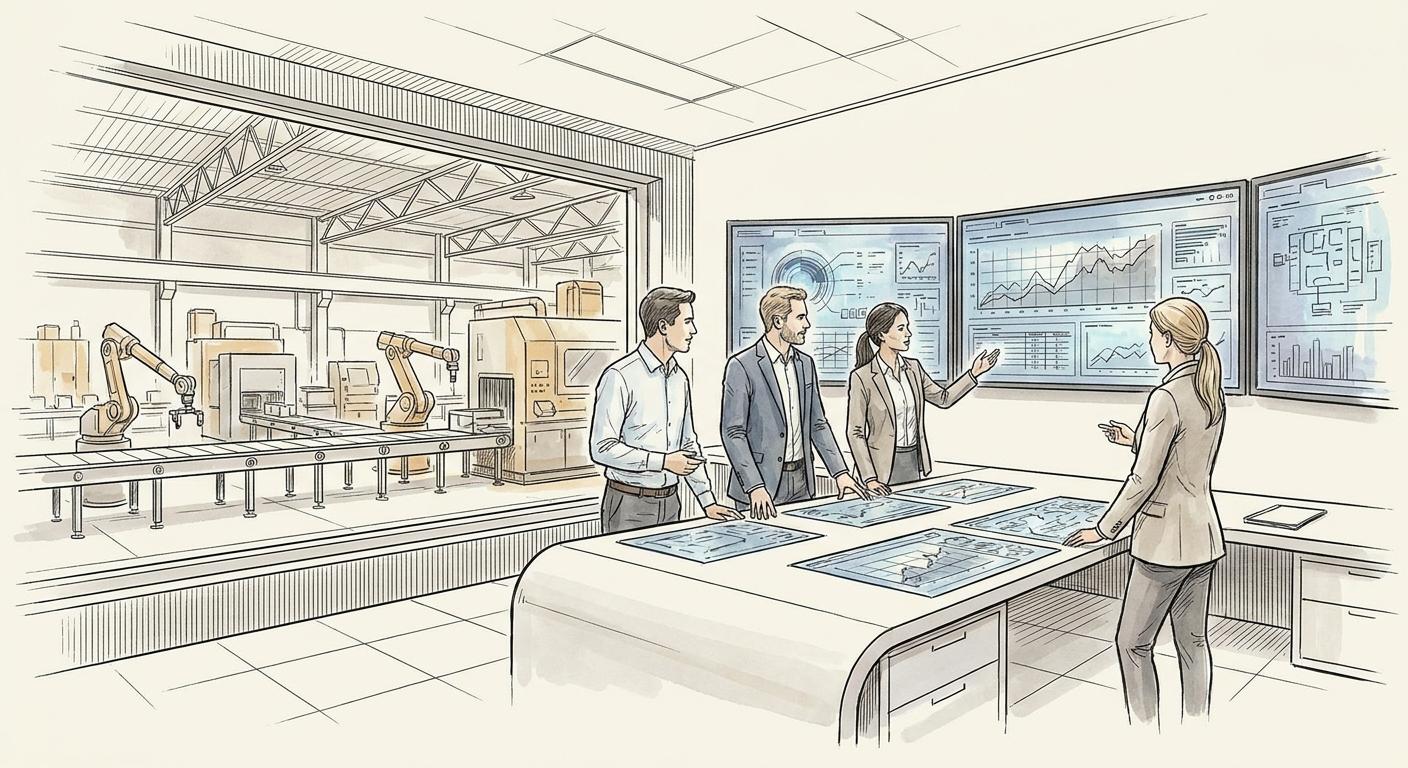
For mid-market manufacturing CEOs, the most frustrating floor walk is the one where machines are humming, yet OTIF targets are slipping and margins are thinning. You see the activity, but the estimate-vs-actual gap persists, and standard ERP dashboards fail to explain why. Deploying AI analytics for manufacturing revenue growth is no longer about experimental science; it is about surfacing the hidden production capacity trapped in your existing assets to expand your operating wedge.
What is the Hidden Factory?
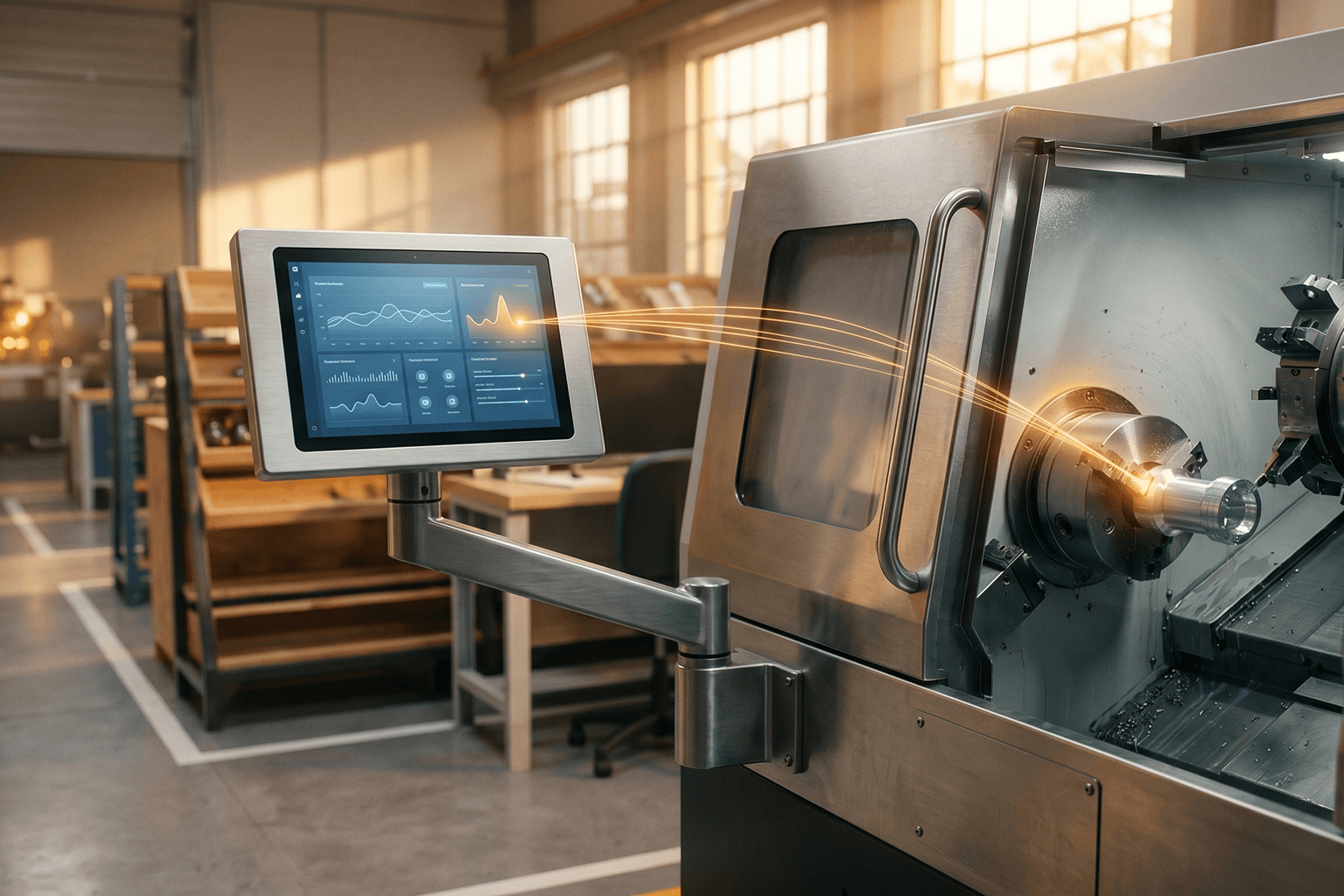
The Hidden Factory refers to the untapped production capacity within existing manufacturing assets that is lost to unmeasured process inefficiencies, micro-stoppages, and multivariate variances. AI identifies and recovers this capacity through pattern recognition across disparate data sets that traditional logic misses.
The Portfolio CEO’s Dilemma: When Traditional Lean Isn't Moving the Needle
Standard Lean Six Sigma and Kaizen events are foundational, but they often hit a plateau in complex, high-mix environments. When a 200-employee job shop in the Midwest reaches 75% utilization, the remaining 25% often feels like a "black box" of inevitable friction. Traditional dashboards tell you what happened yesterday, but they don't solve the delayed execution truth - the reality that your shop floor is operating on outdated assumptions.
The limitation of traditional Lean is its reliance on human observation. A supervisor cannot manually track 50 variables across 10 machines simultaneously. This leads to margin leakage as production planners add "buffer time" to jobs, which effectively hides throughput potential. Private Equity operating partners often find that standard operational improvements fail to move the EBITDA needle within the critical 18–36 month investment window because they address symptoms rather than the underlying process noise.
Identifying the 'Hidden Factory': Where Capacity is Leaking
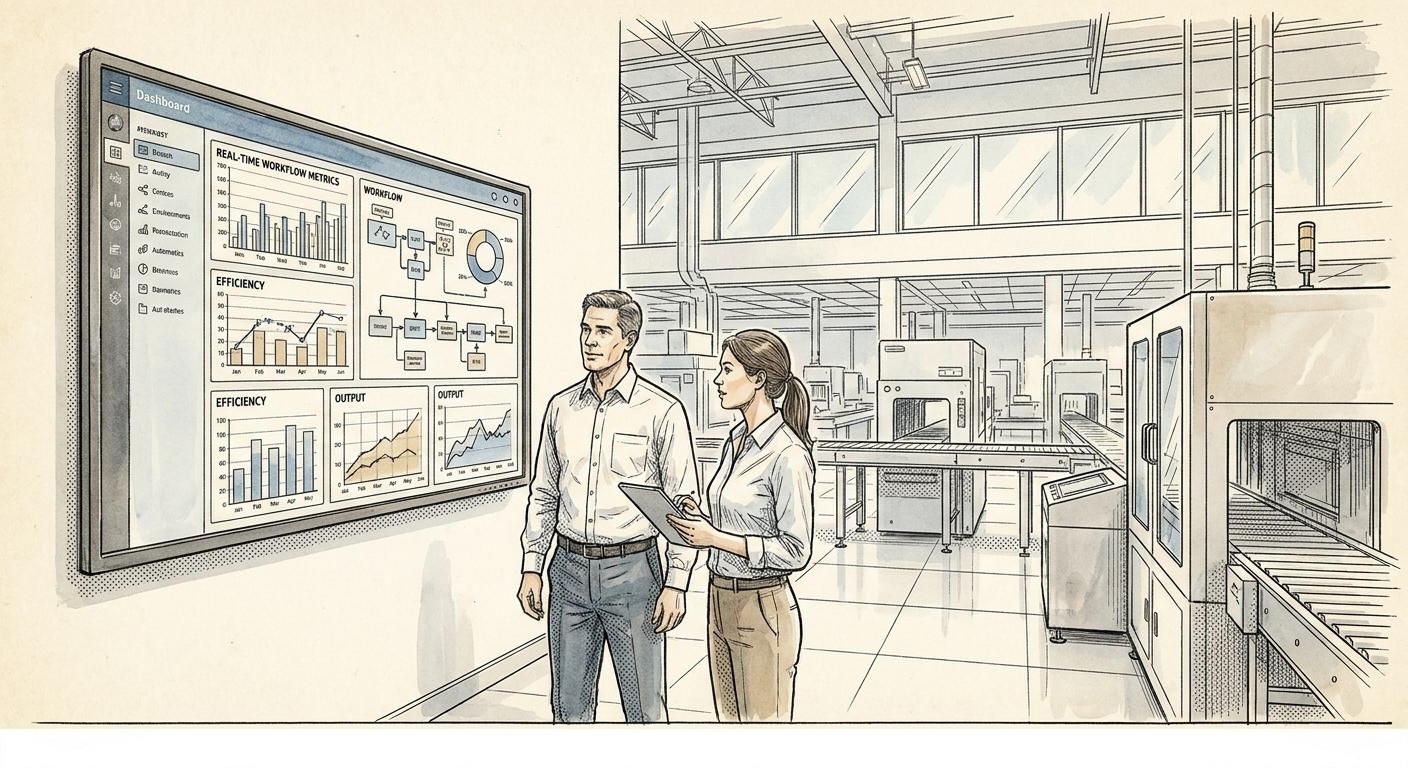
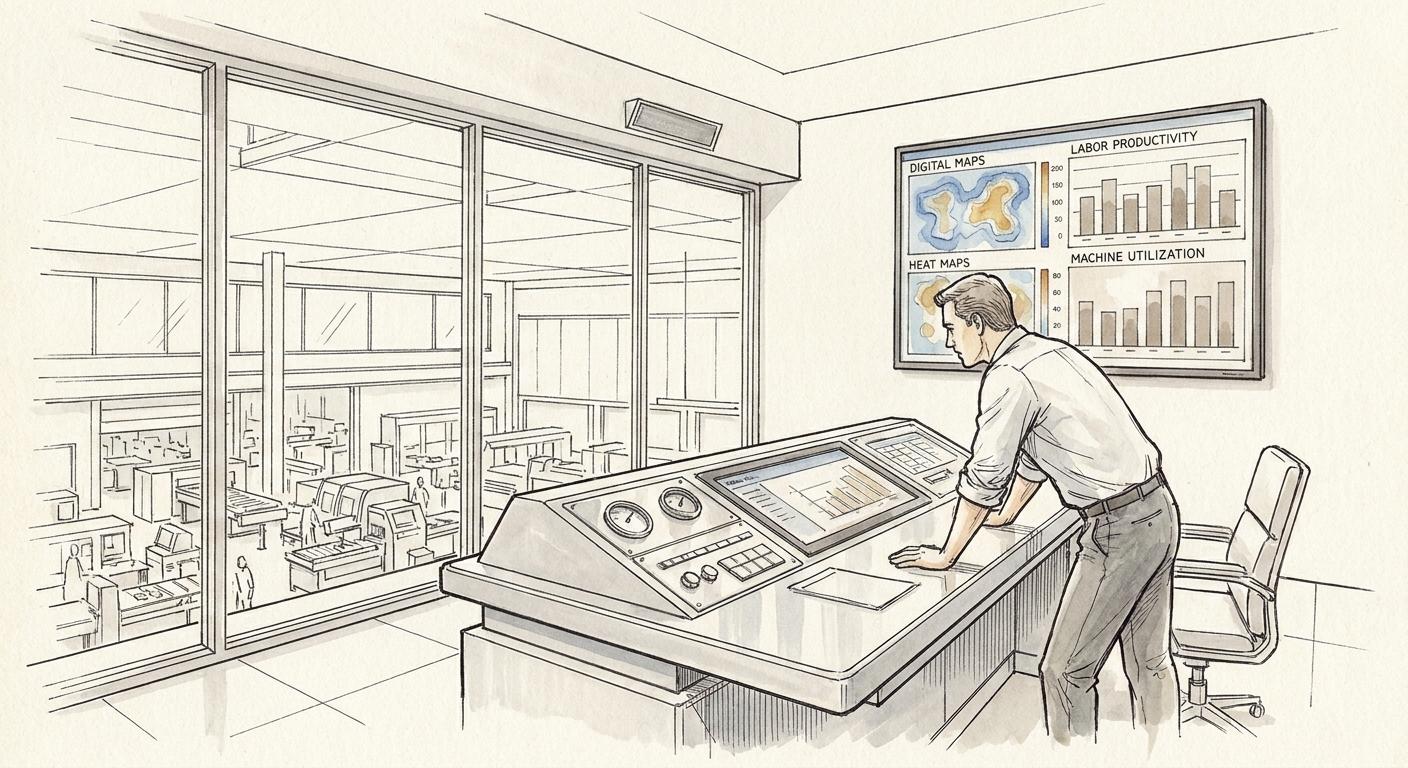
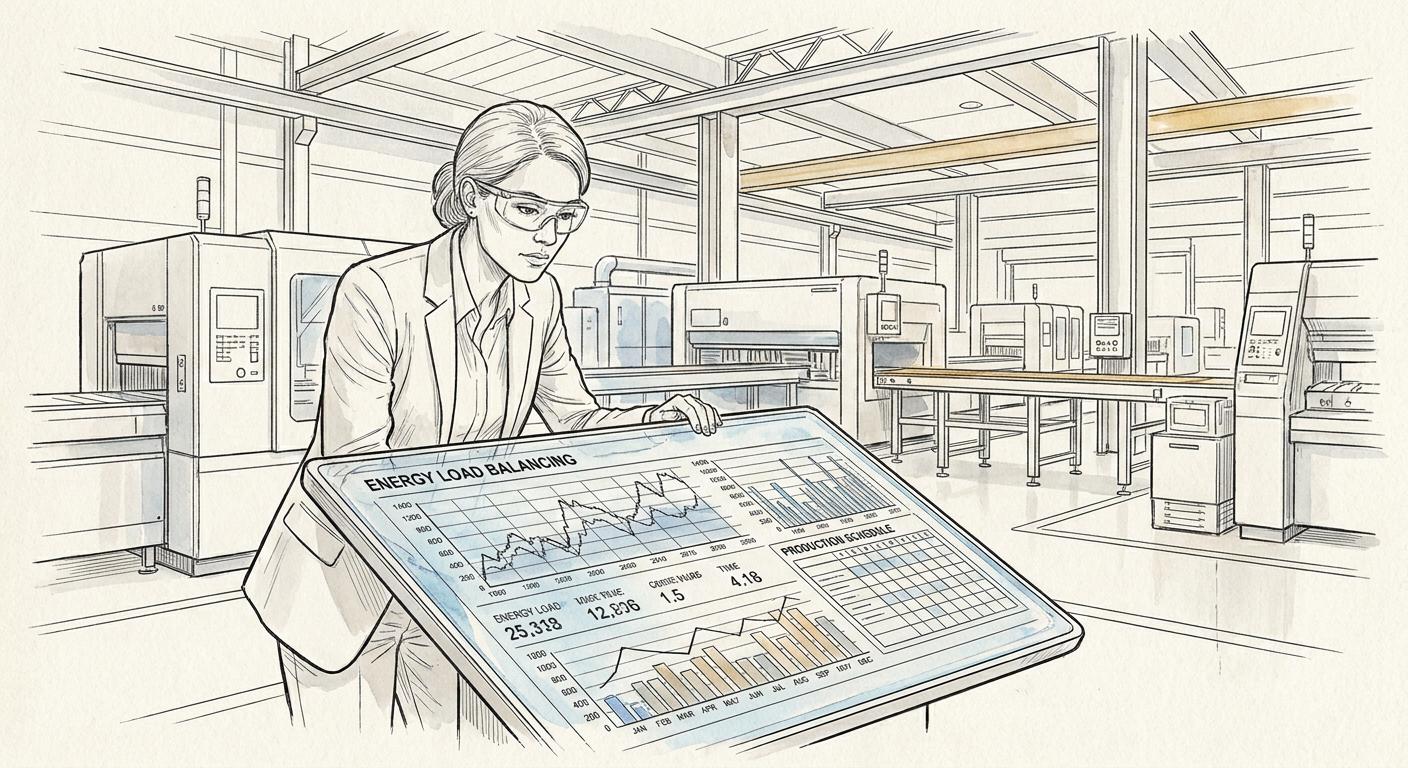
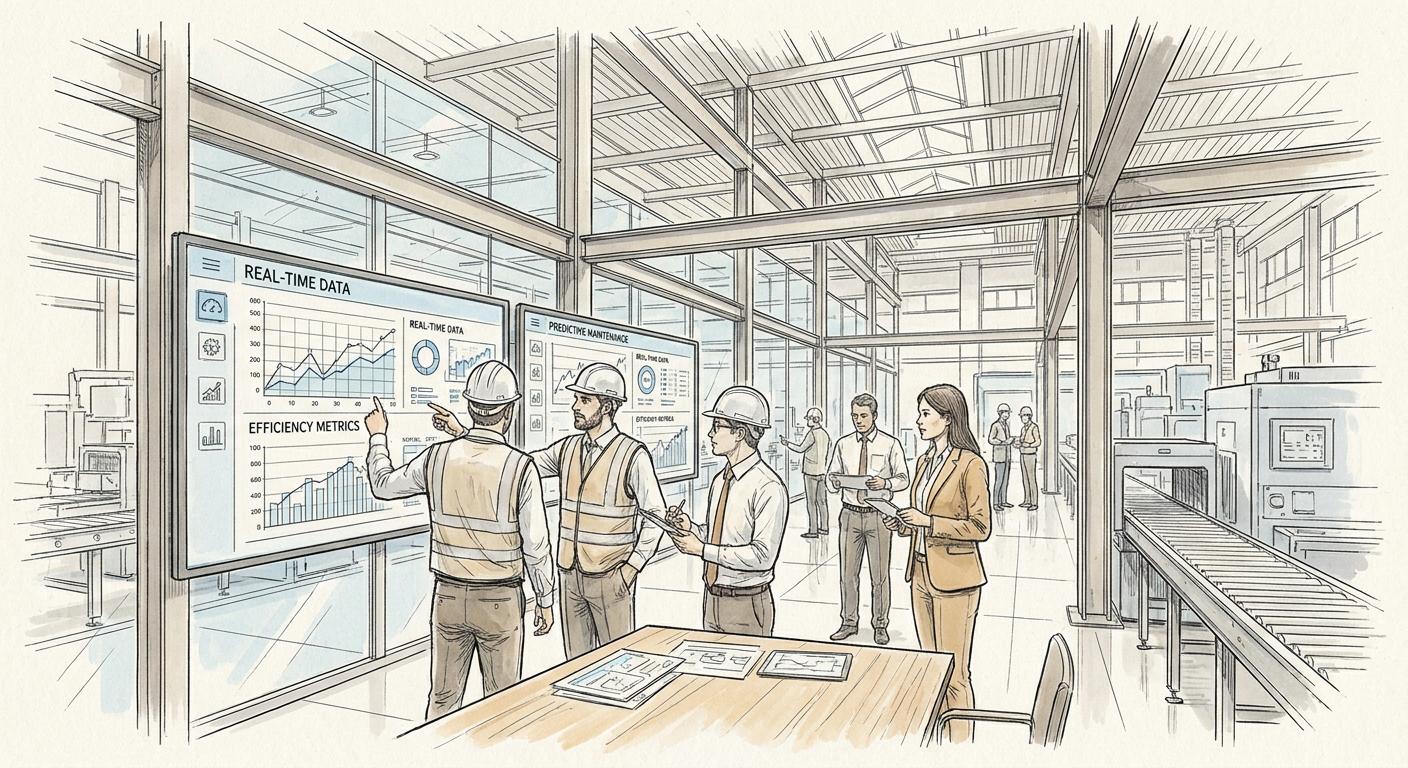
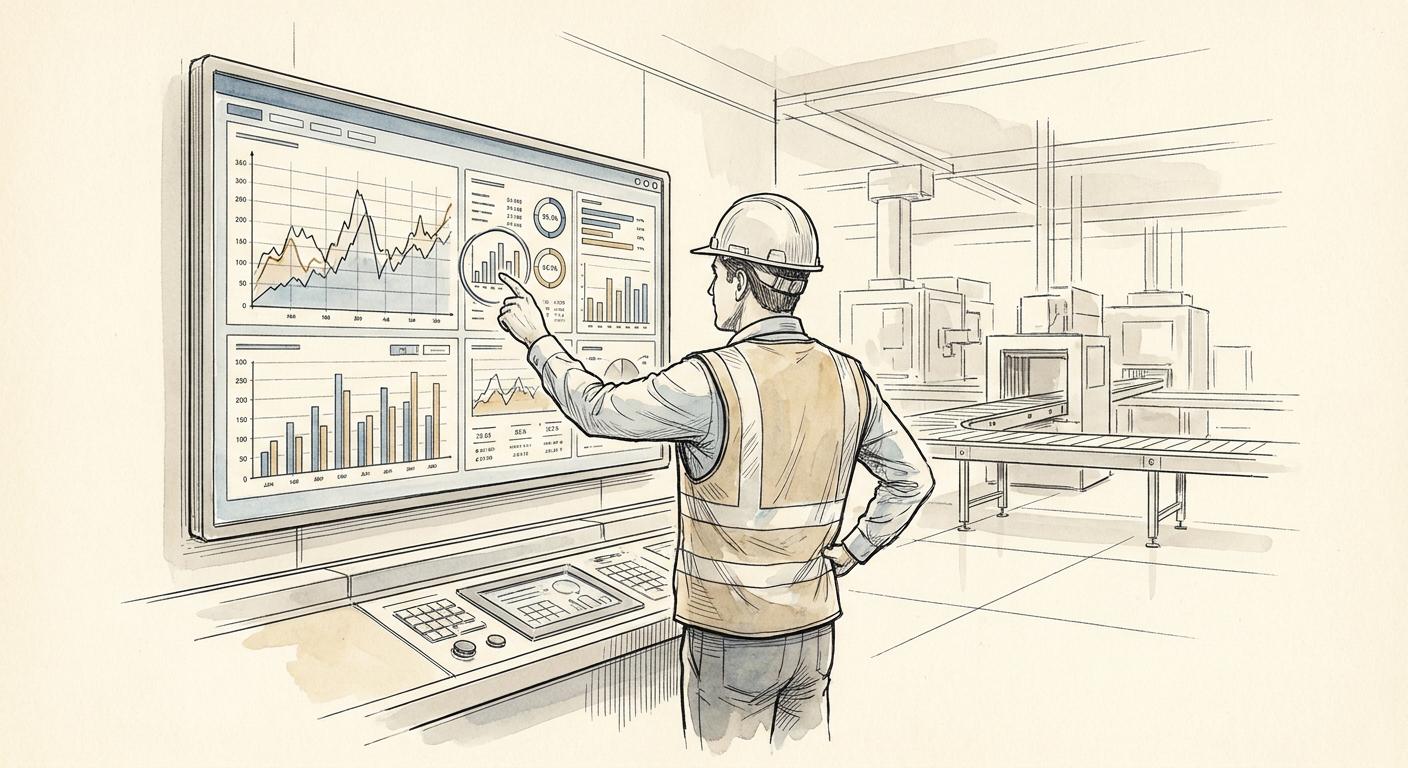
Finding non-obvious bottlenecks requires looking past the "Green/Yellow/Red" lights on a dashboard. Industrial AI deployment focuses on the "micro-stoppages" - those 2-minute pauses that happen fifty times a shift. While they don't trigger an alarm, they aggregate into hours of lost throughput every week.
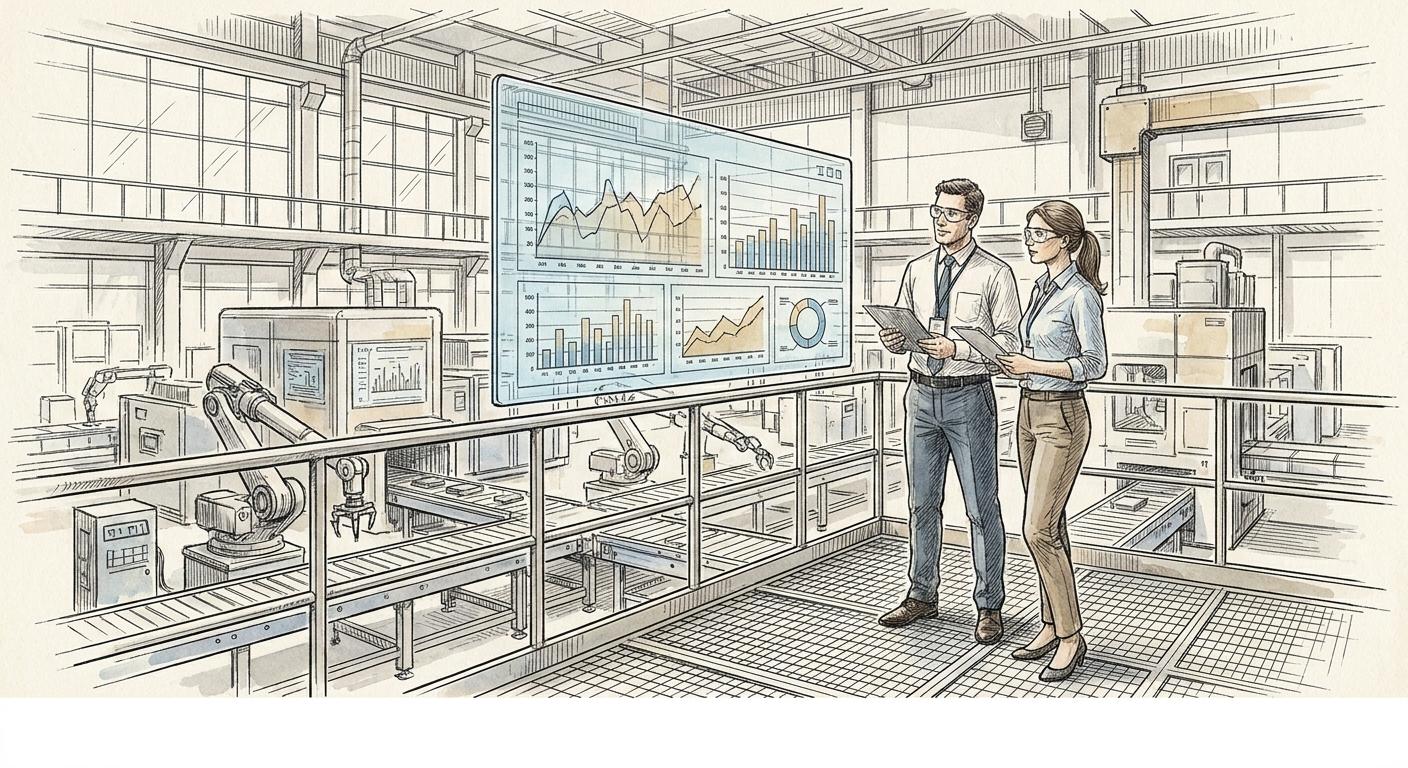
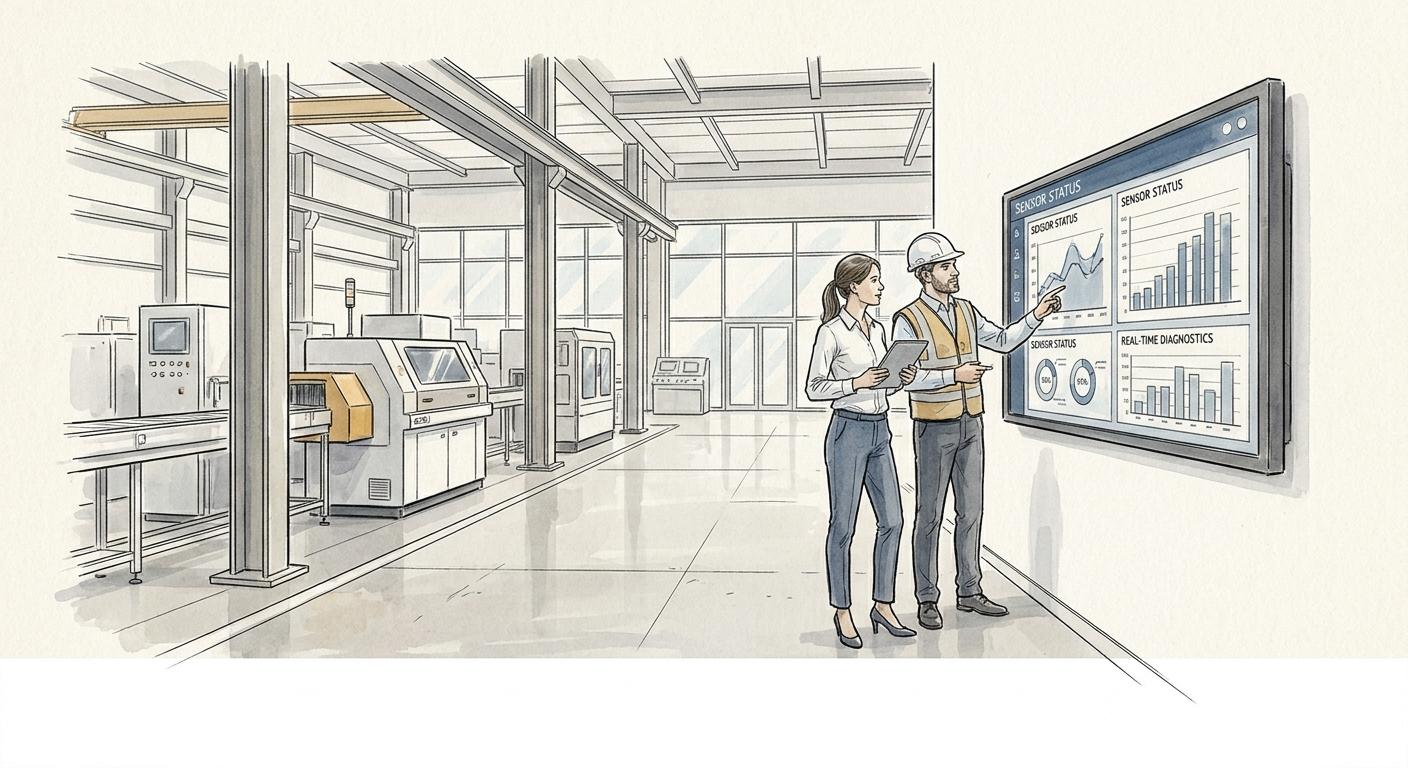
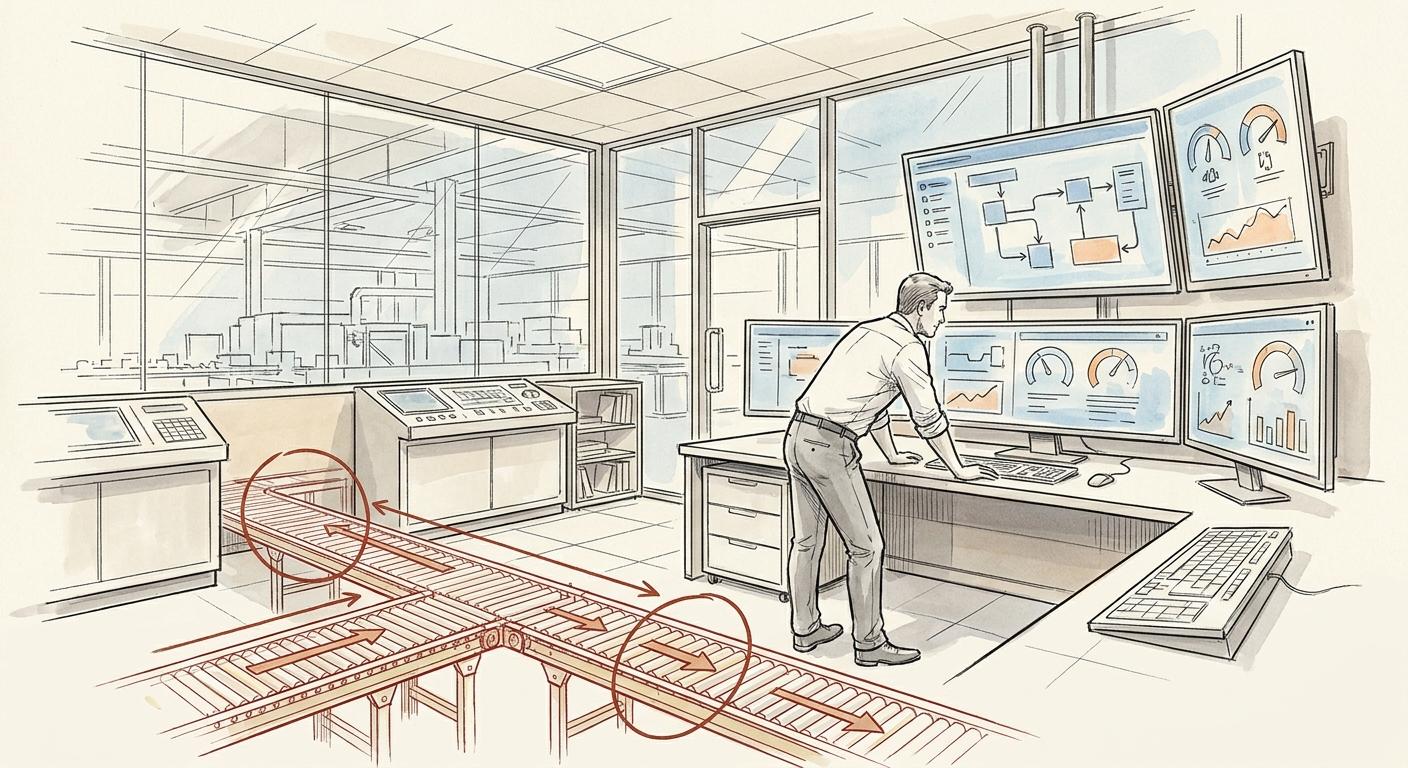
In a recent assessment of an industrial components manufacturer, the facility appeared to be at peak capacity. However, embedded AI surfaced a pattern: subtle variations in raw material heat-treating times were causing a downstream bottleneck every Tuesday afternoon. Human operators saw this as "normal variance," but the data revealed it was a recoverable 4% loss in weekly output. By syncing machine telemetry with labor logs, AI identifies where job costing is failing, allowing management to reclaim capacity without spending a dollar on new CNC machines or additional headcount.
From Visualization to Action: The 8-Week Operating Wedge
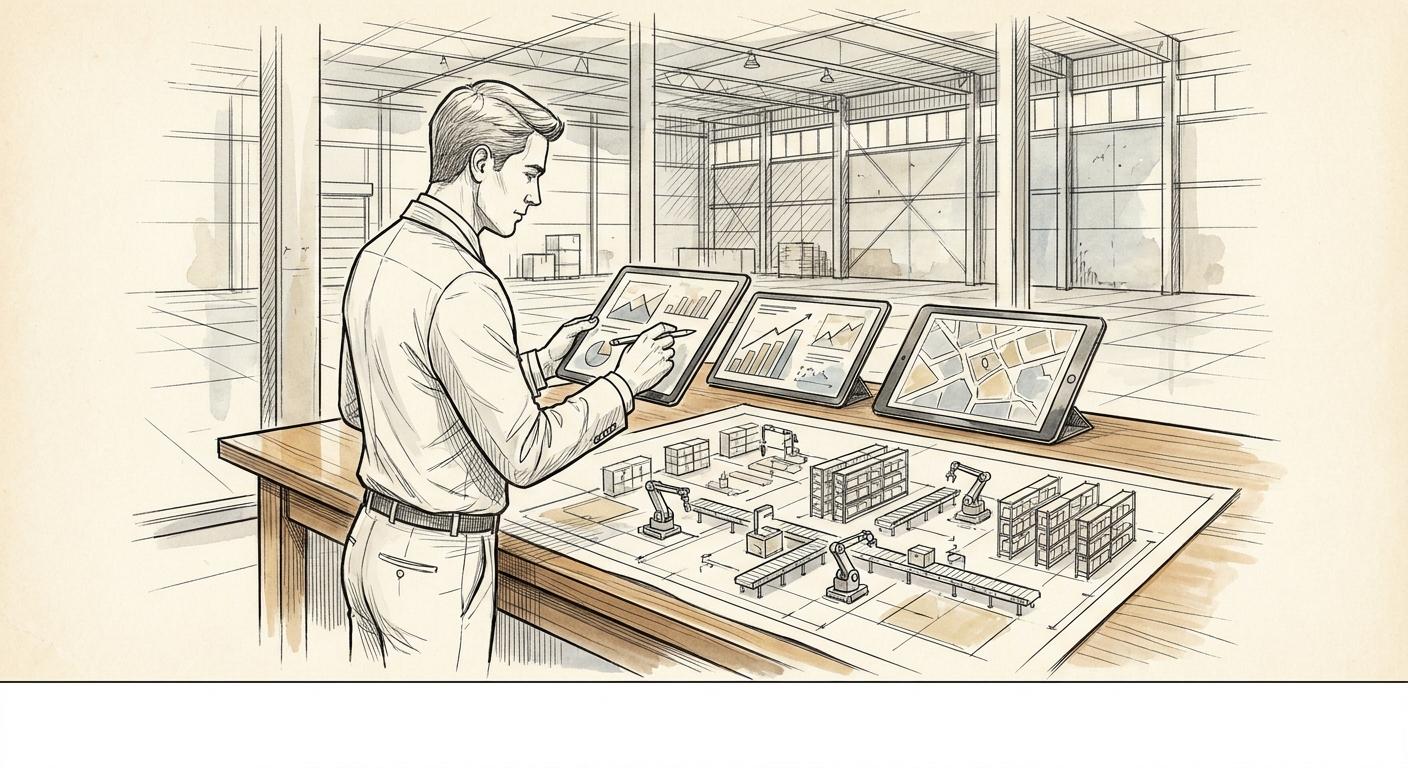
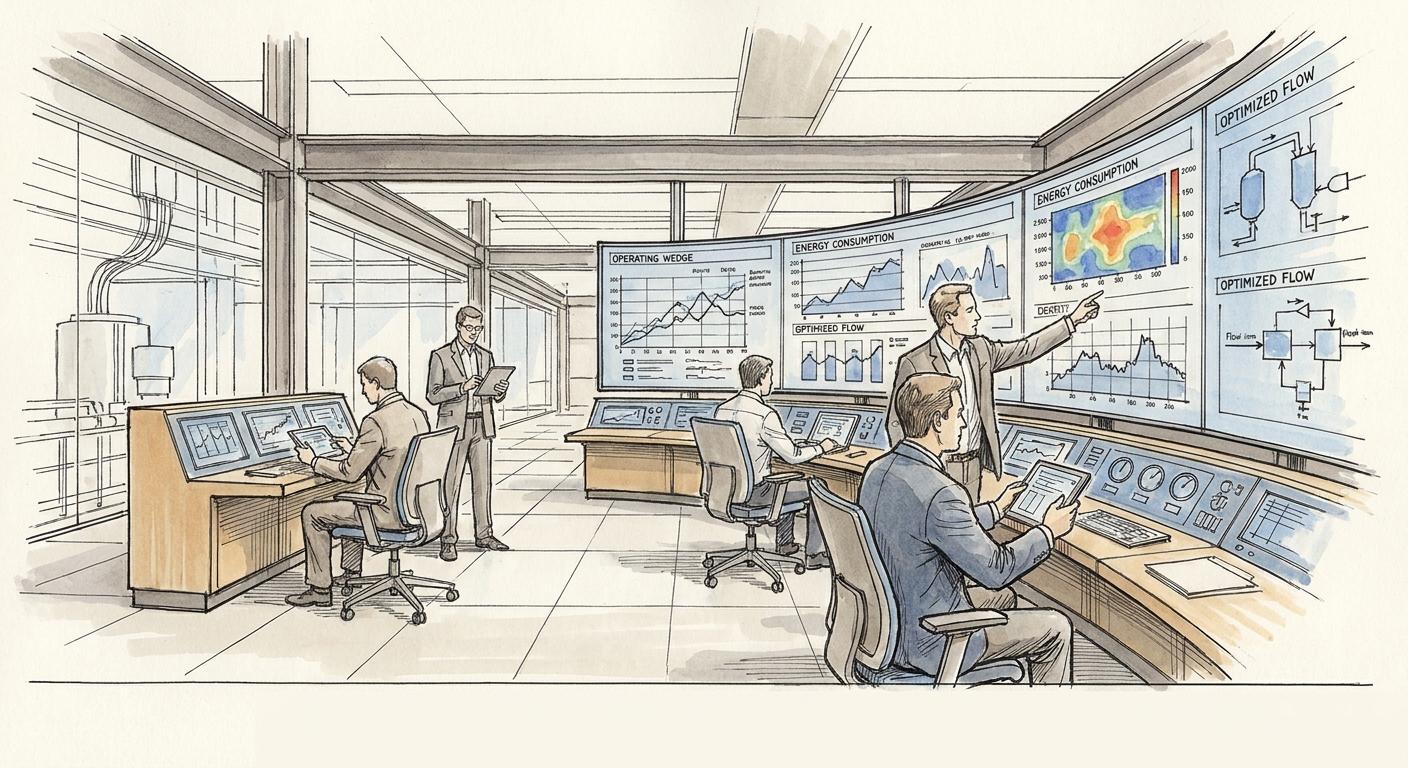
The primary hurdle for PE portfolio value creation is the timeline. Traditional software implementations take 12 months to show results. An operating wedge strategy flips this by focusing on one high-impact production line or specific bottleneck. This approach prioritizes time-to-value by utilizing existing data to generate a quick win.
Within the first four weeks, the focus stays on AI readiness - cleaning the data that actually matters for throughput. By week eight, the objective shifts to execution. For example, by adjusting feed rates based on real-time tool wear patterns, a plant can often realize a 3–5% increase in throughput immediately. This isn't a speculative "digital transformation" project; it is a tactical intervention designed to expand EBITDA before the next quarterly board meeting.
The Math of 5%: Compounding Revenue via AI-Driven Throughput
The financial impact of a 5% throughput increase is disproportionately high due to operating leverage. In a manufacturing environment with high fixed costs, every additional unit produced after the break-even point contributes almost entirely to the bottom line.
Consider a $100M portfolio company with 15% EBITDA margins. Unlocking 5% in hidden production capacity doesn't just increase revenue by $5M; it captures that revenue at a much higher marginal profit. Because the labor, rent, and depreciation are already paid for, that 5% volume increase can lead to a 10–12% jump in EBITDA. For a Private Equity firm looking at an exit multiple, that "small" operational gain significantly increases the total enterprise value at the time of sale.
De-risking AI Deployment for Mid-Market Manufacturing
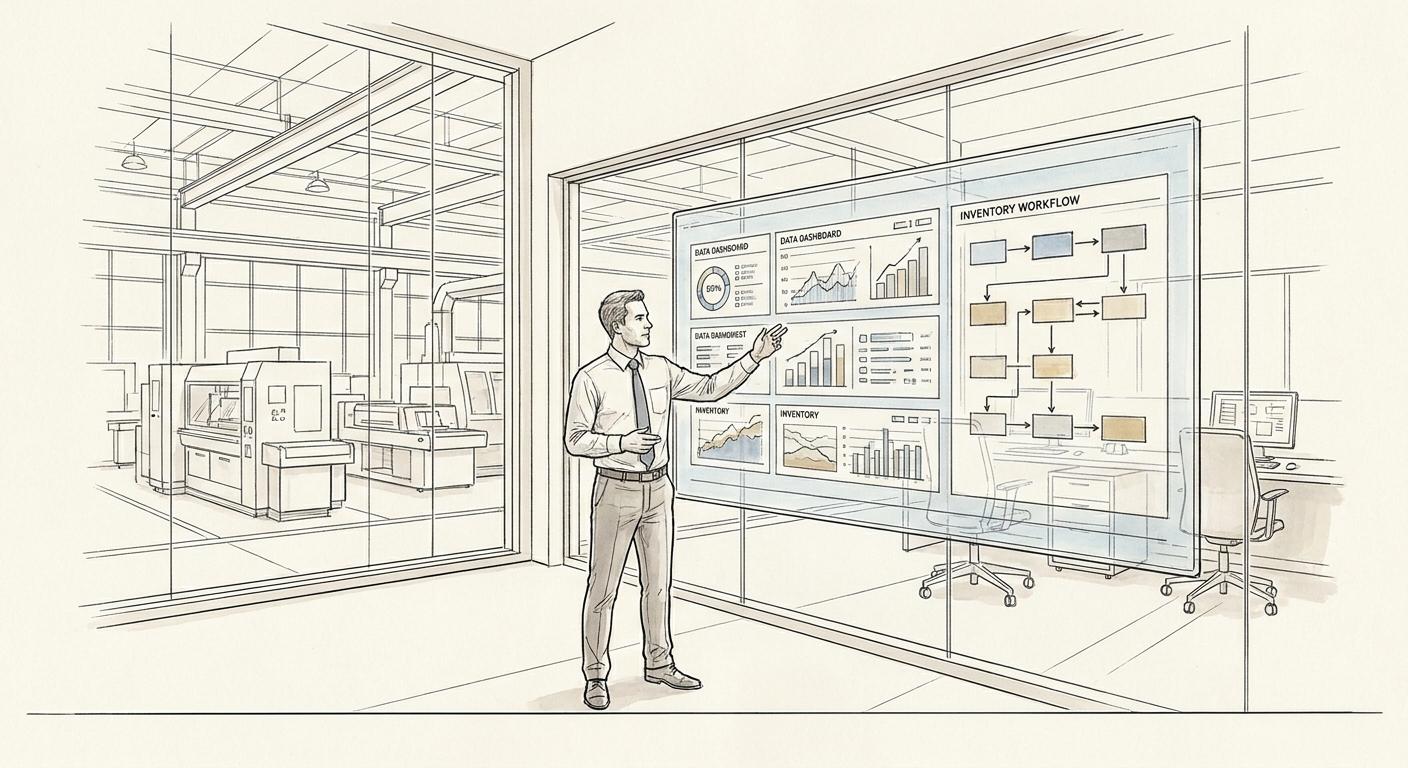
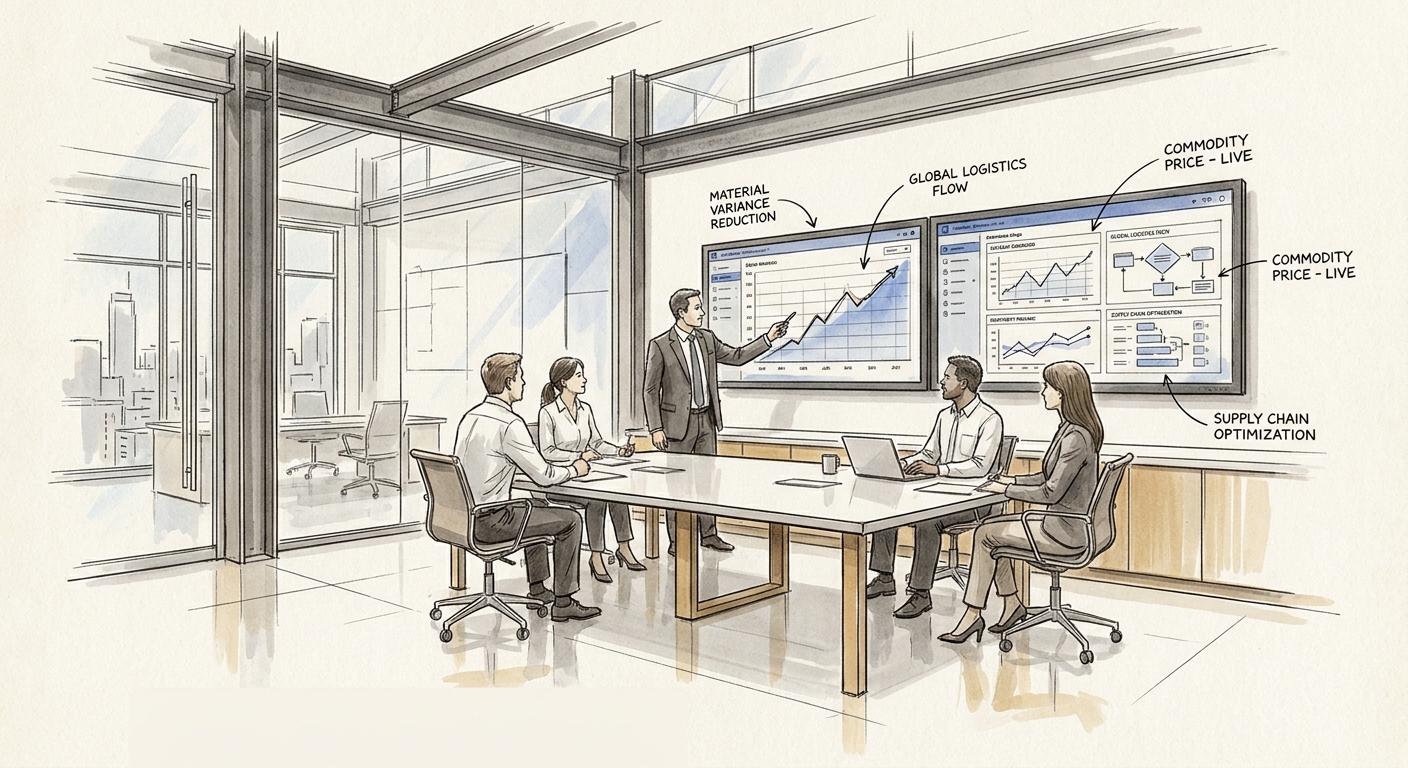
The fear of "garbage in, garbage out" often paralyzes mid-market firms with legacy systems. However, manufacturing asset optimization through AI doesn't require a pristine data lake. Modern tools can ingest data from disparate sources - PLCs, manual logs, and ERP exports - to find the signal in the noise.
De-risking the project involves an embedded partnership model. Instead of buying a software license and hoping your team uses it, an embedded model focuses on the delayed execution truth. It aligns the AI outputs with the incentives of the shop floor managers. When the floor lead sees that the AI recommendation actually makes their OTIF targets easier to hit, adoption moves from a "corporate mandate" to an essential tool for daily operations.
FAQ: AI Analytics for Manufacturing Revenue Growth
How does AI find capacity that OEE dashboards miss? Standard OEE is a lagging indicator that reports on general categories like "Availability." AI provides predictive surfacing by analyzing multivariate correlations - such as how ambient humidity affects curing times - identifying process variances that appear as "normal" to legacy monitoring systems.
Do we need a full data lake to see these results? No. The operating wedge strategy focuses on localized, high-impact data sets from specific work centers. We can drive a measurable win in 4–8 weeks using existing machine logs and ERP exports before scaling to the entire enterprise.
How does throughput improvement impact our EBITDA multiple? Increased throughput improves operating leverage by spreading fixed costs over more units. For PE firms, this non-Capex revenue growth demonstrates a "scalable playbook," which can lead to a higher multiple during the exit process.
What is the "Operating Wedge" in a manufacturing context? The operating wedge is the growing gap between revenue and operating expenses achieved by increasing throughput without adding headcount or equipment. AI facilitates this by identifying and eliminating hidden inefficiencies in real-time.
Unlocking hidden capacity is the fastest way to drive top-line growth without the risk of heavy capital expenditure. By focusing on the math of the shop floor, PE partners can ensure their portfolio companies reach their full valuation potential.
To see how we identify the hidden factory in your portfolio, book a Manufacturing Diagnostic at ifor.ai/solutions/private-equity.