

When the board deck arrives for a newly acquired manufacturing asset, a creeping line item often demands immediate scrutiny. Bloated warranty reserves quietly eat away at gross margins and trap cash that should be funding growth. For Private Equity Operating Partners, this scenario signals an urgent need for operational intervention. Traditional quality control methods catch defects after they leave the dock, leaving finance teams to over-compensate by setting aside heavy cash reserves for future failures.
Implementing predictive claims analytics warranty reserves offers a systematic way to stop this margin leakage. By moving from reactive firefighting to predictive modeling, operating teams can identify root causes early and release trapped capital back into the business. This article explores how to deploy predictive analytics to reduce warranty provisions, protect EBITDA, and build a repeatable playbook across your industrial portfolio.
The Hidden Drag on Portfolio EBITDA: Bloated Warranty Reserves
Warranty reserves represent a direct claim on working capital. When component failures, assembly line errors, or faulty supplier materials slip past quality gates, the financial impact extends far beyond the immediate replacement cost. Finance teams must inflate balance sheet reserves to cover anticipated future claims, which directly depresses reported earnings.
For an asset operating on thin industrial margins, an unexpected spike in warranty claims can derail quarterly forecasts and alarm lenders. Operating Partners frequently inherit plants where warranty provisions are treated as a fixed cost of doing business rather than an operational failure to be engineered away. This mindset prevents portfolio companies from capturing hidden EBITDA improvement opportunities. Releasing these reserves requires more than tighter inspection protocols on the shop floor. It demands a data-driven approach to identifying patterns that human analysts miss across disconnected enterprise systems.
Why Traditional Quality and Claims Management Falls Short
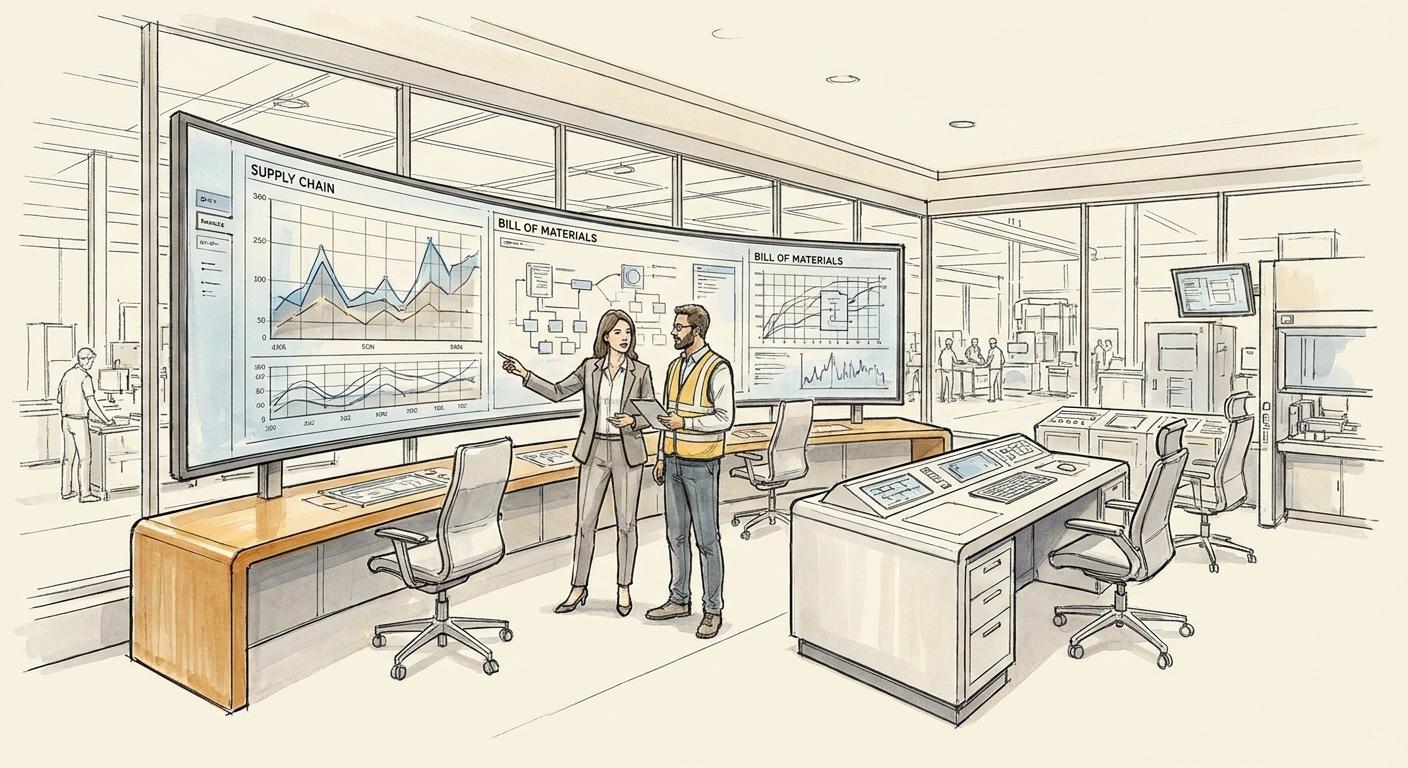
Most mid-market manufacturers rely on lagging indicators to manage quality. Enterprise Resource Planning (ERP) systems record when a part is returned, and Customer Relationship Management (CRM) tools log the customer complaint. However, these systems usually operate in silos. Plant managers review scrap rates on Tuesday, while customer service teams process RMA requests on Thursday, and the finance department adjusts reserve calculations at month-end based on historical averages.
This fragmented workflow creates a delayed execution truth. By the time leadership connects a surge in pump failures to a specific batch of sub-assemblies received six months prior, thousands of units have already shipped to customers. Spreadsheets and manual root-cause analysis cannot keep pace with complex supply chains. Relying on historical averages also guarantees that reserve calculations remain reactive, locking up cash that could otherwise improve the enterprise value of the asset before the exit window arrives.
How Predictive Claims Analytics Works in Industrial Settings
Predictive claims analytics uses machine learning algorithms and historical operational data to forecast manufacturing defects, warranty claim frequencies, and financial reserve requirements before they negatively impact the balance sheet.
Implementing this capability does not require rebuilding your data infrastructure from scratch. Modern predictive models ingest data from existing sources:
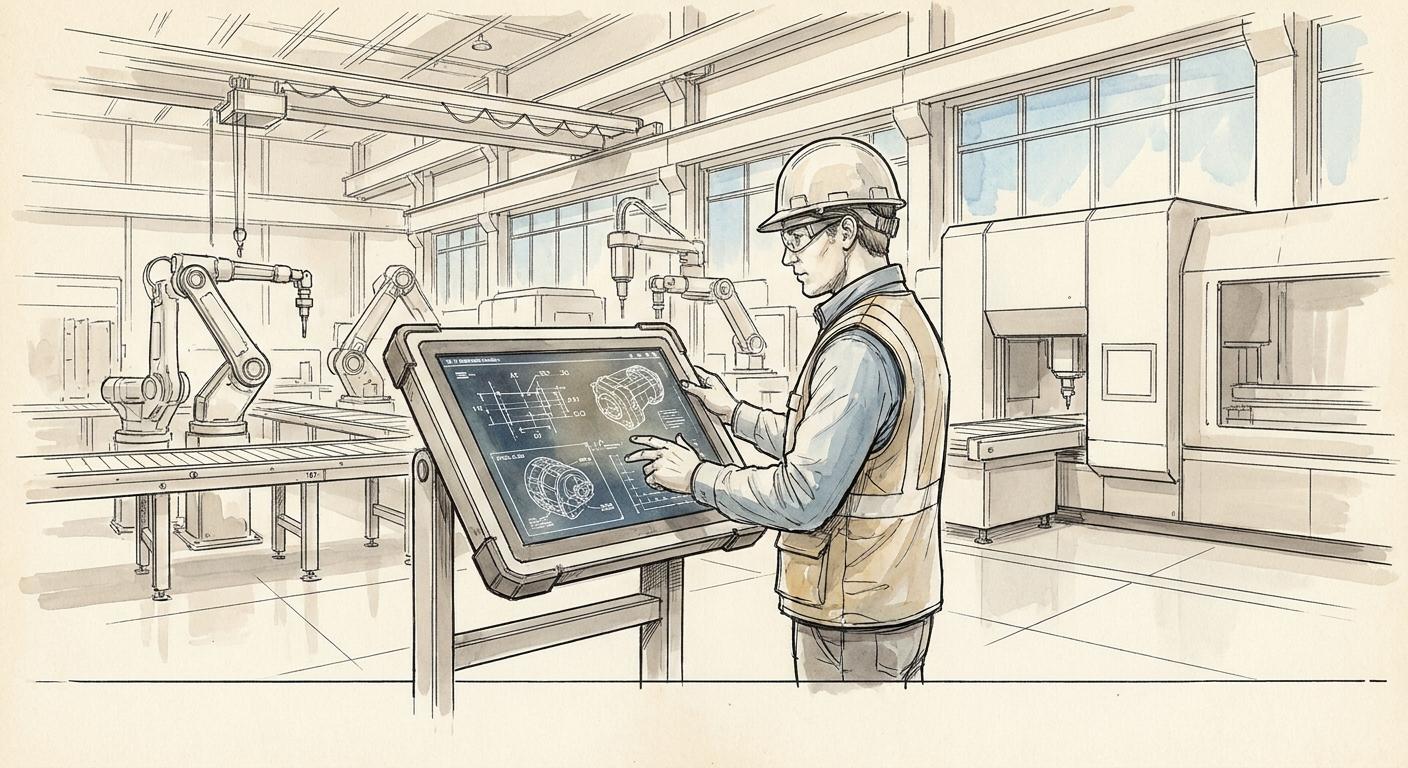
- Shop-floor MES logs and torque readings
- Supplier quality scorecards and incoming inspection data
- Field service records, technician notes, and warranty claim descriptions
- Environmental and operational stress data from connected products
Machine learning pipelines analyze this combined dataset to spot correlations that human operators miss. For instance, a model might reveal that a specific combination of ambient humidity during assembly and a three-second variance in bolt-tightening torque results in a 42% failure rate in the field eighteen months later. Armed with this insight, the plant can adjust the specific workstation parameter immediately, preventing thousands of future warranty claims and allowing finance to adjust reserve requirements downward with confidence.
The 90-Day Playbook: Deploying Predictive Analytics Across an Asset
Speed is critical in a private equity investment lifecycle. Operating Partners cannot afford a twelve-month software implementation cycle that delays value creation. A disciplined, phased execution model delivers initial visibility and measurable reserve adjustments within the first quarter.
Days 1 to 30: Data Audit and Target Selection
The initial phase focuses on scoping a single high-impact product line or plant. Instead of boiling the ocean, the execution team extracts historical warranty claims, ERP master data, and shop-floor logs. This diagnostic establishes the baseline cost of poor quality and identifies the primary failure modes driving the largest reserve allocations.
Days 31 to 60: Model Training and Integration
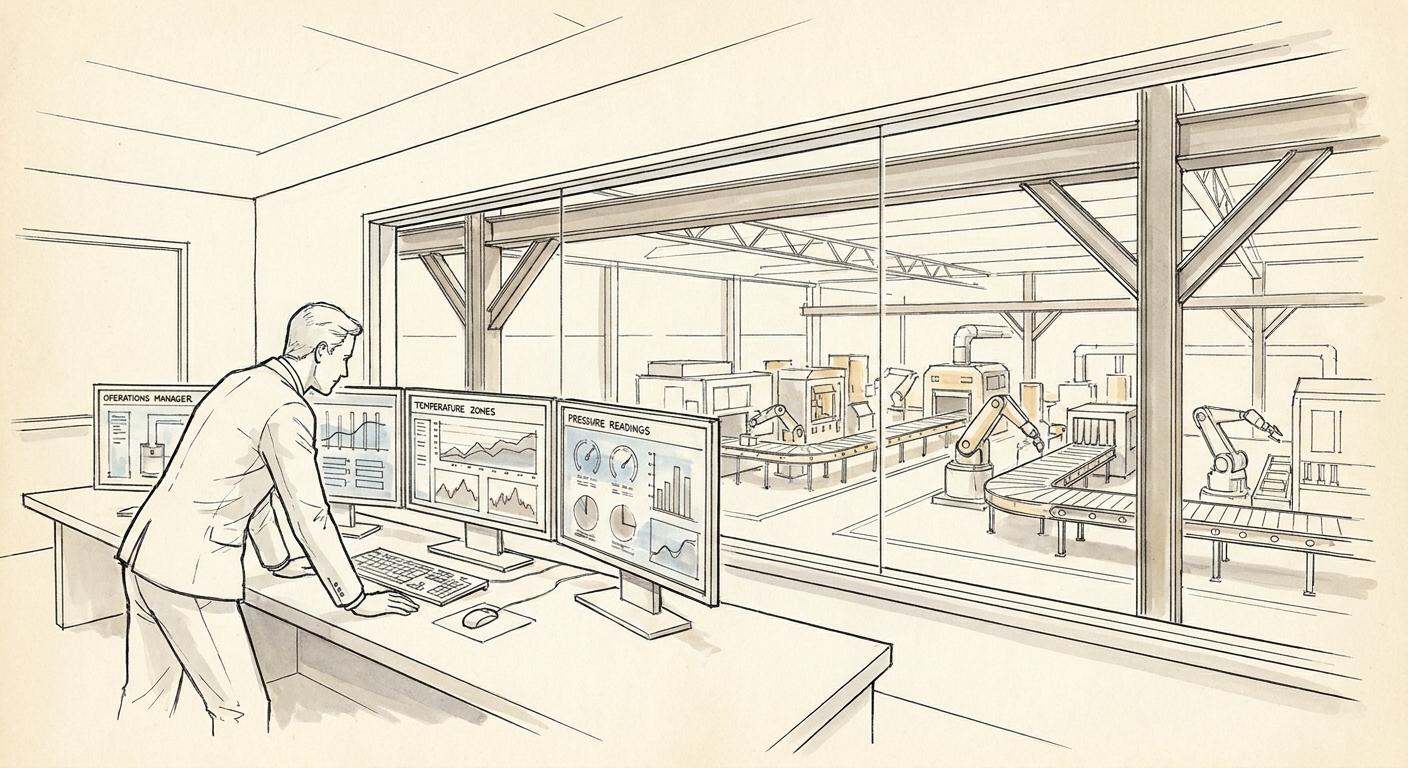
Data scientists and industrial engineers clean the historical data and train predictive classification models. These models map field failure signatures back to specific manufacturing parameters, supplier lots, or design tolerances. The output is integrated into a lightweight dashboard for plant managers and quality leads, turning raw data into daily operational actions.
Days 61 to 90: Production Deployment and Reserve Optimization
The model runs continuously in production, scoring active work orders and flagging anomalous production runs before products ship. With defect predictability established, the CFO works with audit partners to safely release a portion of the excess warranty reserves back into operating income, demonstrating immediate value creation for the board.
Portfolio-Wide Scaling: Moving From One-Off Fixes to a Repeatable Playbook
Solving a warranty reserve issue at a single portfolio company is a localized win. The true leverage for an operating partner lies in scaling that success across multiple manufacturing assets without inflating overhead or hiring expensive internal data science teams.
Building a repeatable AI playbook allows private equity firms to deploy pre-configured warranty analytics modules across newly acquired assets during the first 100 days. Rather than treating every portfolio company as a bespoke software project, operating teams can partner with specialized execution firms that bring pre-built industrial connectors, proven machine learning pipelines, and change management frameworks.
This portfolio-wide approach accelerates time-to-value, standardizes quality metrics for LP reporting, and strengthens the operational profile of every asset ahead of a sale. By turning warranty data from a lagging financial liability into a leading operational indicator, PE firms protect their downside and maximize their exit multiple.
Frequently Asked Questions
What is the typical ROI timeline for predictive warranty analytics in manufacturing?
Initial risk identification and targeted reserve adjustments are typically visible within 60 to 90 days of deployment. By focusing on a single high-leakage product line during the initial phase, operating teams can quickly surface root causes and justify broader rollout across the facility.
How do we handle fragmented data across newly acquired manufacturing plants?
An embedded AI execution partner focuses on extracting high-value signals from existing ERP, CRM, and MES systems without requiring a multi-year data lake overhaul. The priority is connecting existing data sources to predictive models rather than forcing an expensive infrastructure replacement.
How does reducing warranty reserves impact EBITDA and exit valuation?
Lowering warranty adjustments frees up trapped working capital, directly improves gross margins, and results in a cleaner balance sheet. Strategic buyers and future PE sponsors view reduced warranty volatility as a sign of superior operational maturity, which supports a higher exit multiple.
Talk to an AI expert or see how iForAI works with manufacturers

Inna Dzhulai
Social Media Manager at iForAI