

From individual task prompts to multi-step autonomous orchestration
For the past eighteen months, enterprise engineering teams have focused primarily on task-level AI: in-IDE code autocompletion, one-off test generation, and ad-hoc chat interfaces. These tools speed up individual keystrokes, but they rarely alter delivery schedules or operational margins in a meaningful way. Autocompleting boilerplate code 20% faster delivers linear productivity gains, yet the overall cycle time remains tied to manual handoffs between scoping, implementation, regression testing, and deployment.
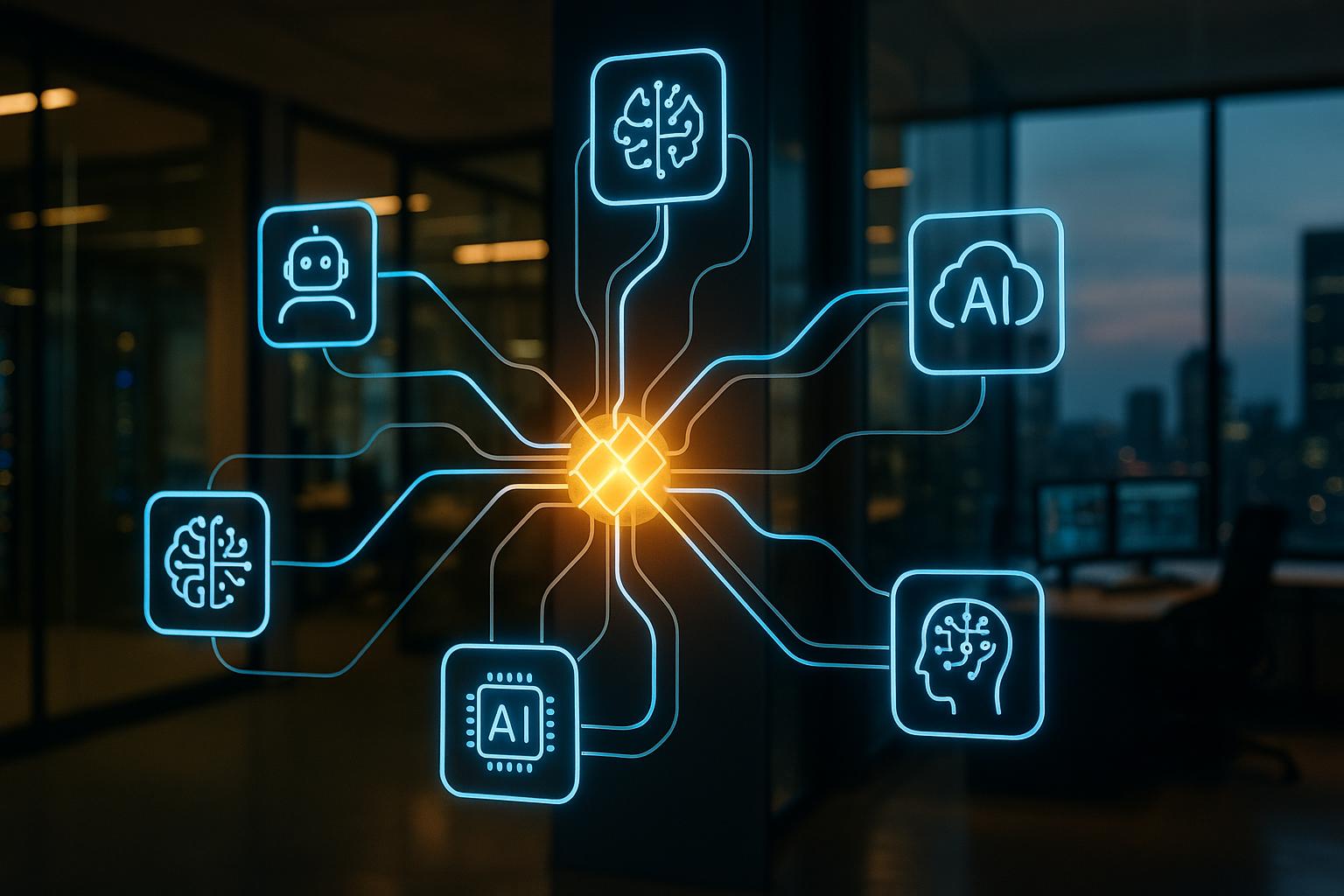
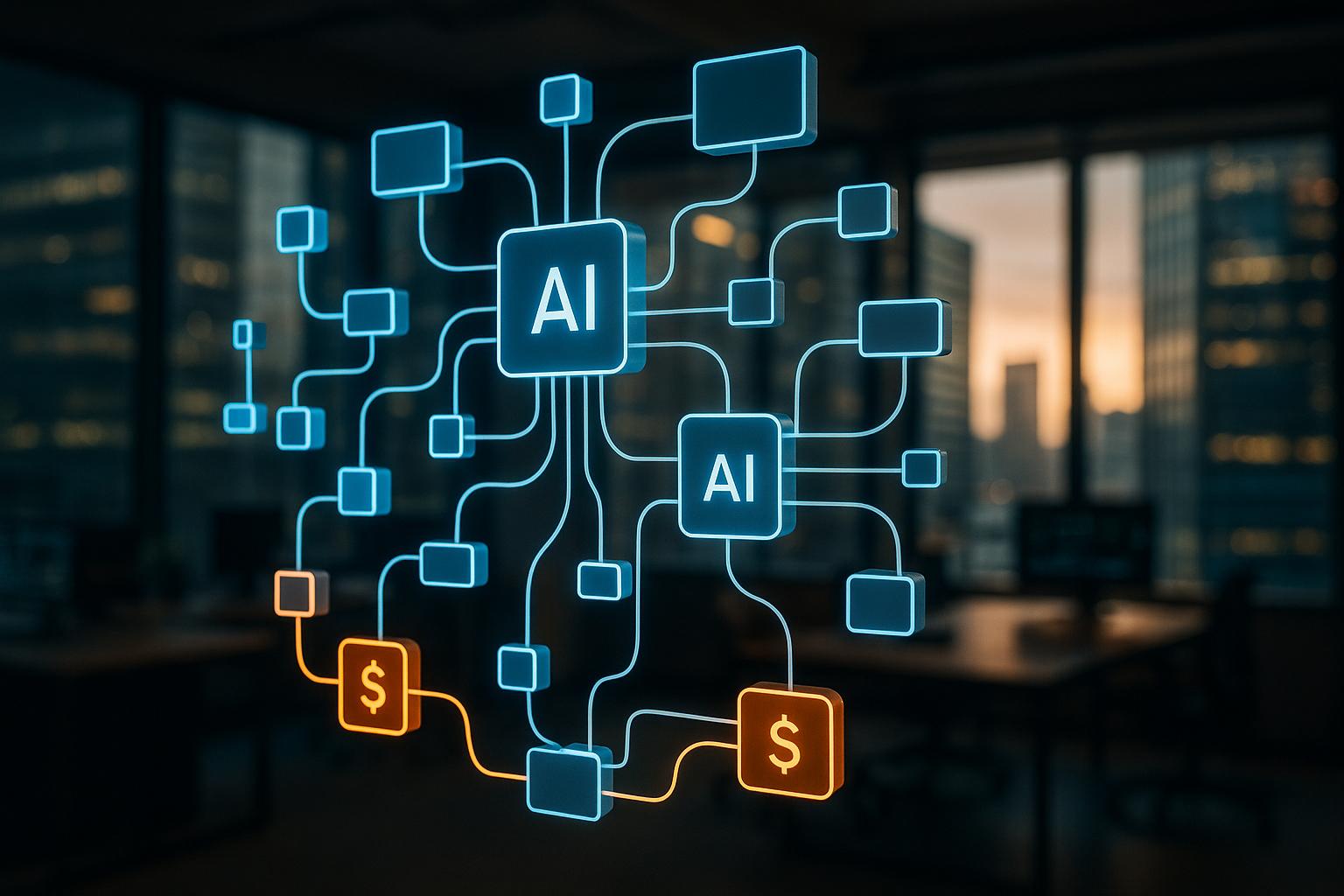
Recent telemetry from frontier research labs, including observed model interactions and computer-use behaviors, points to a structural turning point in software development. Engineering workloads are moving away from isolated, human-initiated prompts toward persistent, multi-step autonomous orchestration. In this setup, models are no longer passive assistants waiting for the next line of code. They operate across tool chains, managing chained dependencies across git repositories, ticketing environments, CI/CD runners, and staging infrastructure.
What model telemetry reveals about the shift in technical work
When examining the usage patterns of multi-agent and tool-augmented models in production, the data shows an unambiguous operational shift:
- Longer execution horizons: Instead of single-turn request-response cycles averaging 30 seconds, modern agentic sessions execute across multiple minutes or hours, running iterative loops to inspect errors, modify files, and run local test suites before presenting results to an engineer.
- Shift in token allocation: Consumption has moved from raw syntax generation to tool execution, state tracking, and environment verification. The model spends significant compute observing system feedback rather than simply writing code.
- Changing failure modes: Failures are rarely driven by syntax errors. Instead, they stem from context degradation, improper permission scoping, or brittle interface handoffs between disparate API tools.
This telemetry confirms observations across many enterprise client engagements: code generation is no longer the primary constraint in software delivery. The bottleneck has migrated downstream to systems verification, architectural integrity, and state management.
Restructuring technical talent: from code writers to systems supervisors
When machines handle the routine mechanics of drafting pull requests and diagnosing failing pipelines, the functional role of the software engineer changes. Treating senior developers as typists who review syntactical nuances wastes expensive institutional knowledge.
To capture operational leverage, engineering organizations must transition technical talent into systems supervisors:
- Architectural governance over syntax checking: Developers must evaluate how agent-generated modifications impact service boundaries, distributed transactions, and long-term maintainability, rather than manually checking logic syntax.
- Designing deterministic guardrails: High-performing teams spend their time constructing the evaluation harness—comprehensive unit tests, security linters, schema validators, and integration suites—that autonomous agents use to self-correct.
- Preserving context and intent: The engineer's responsibility becomes defining business logic and acceptance criteria with sufficient clarity that an autonomous agent can orchestrate the execution path without drifting off target.
This transition keeps senior judgment focused on decisions that carry business risk, while delegating mechanical implementation to orchestrated models.
A pragmatic framework for adopting autonomous workflows safely
Deploying autonomous agents without guardrails introduces compounded technical debt. Conversely, restricting teams to basic chat interfaces leaves substantial efficiency on the table. Moving safely into workflow orchestration requires a deliberate, step-by-step framework:
1. Scope bounded, high-context operational pipelines
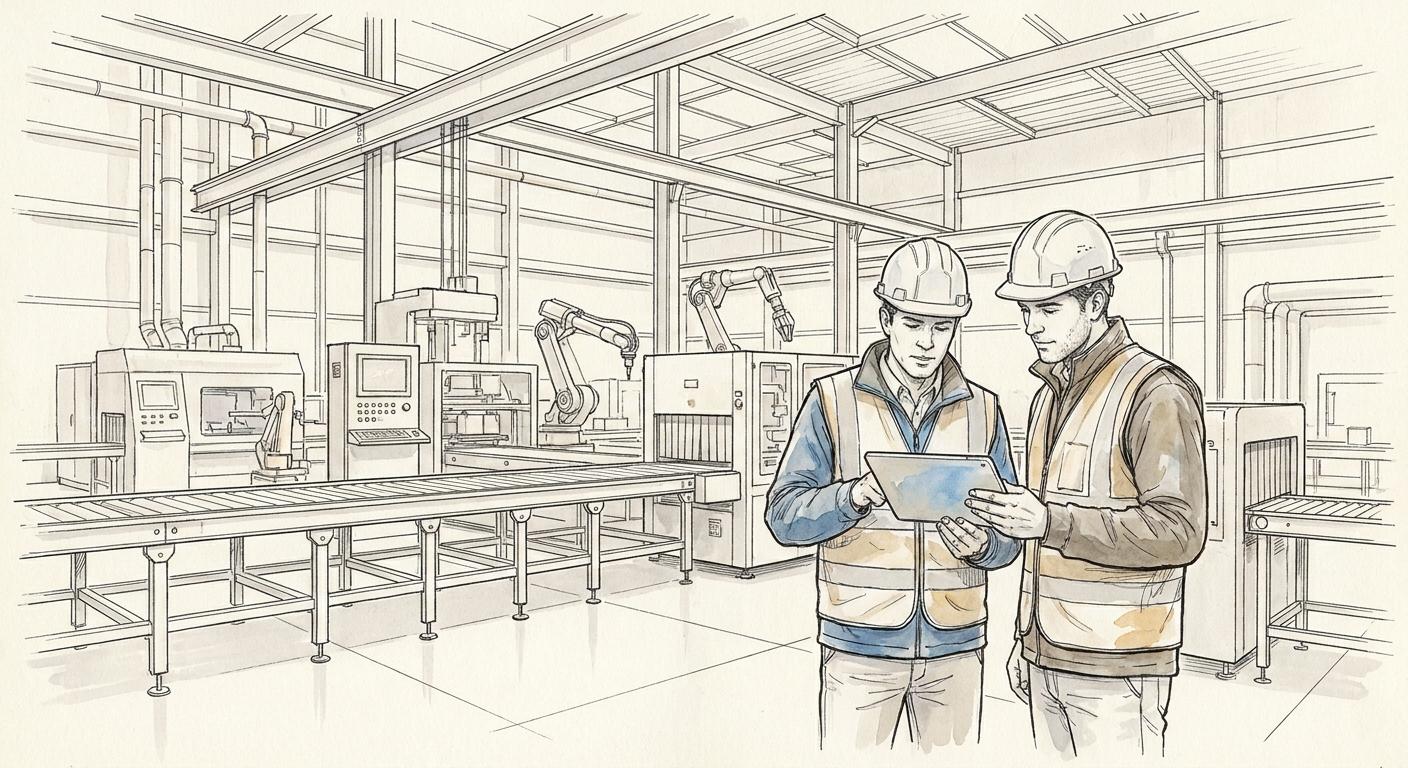
Start with workflows that possess deterministic feedback loops. Good candidates include automated vulnerability remediation, dependency updates, internal bug triaging, and test fixture generation. These tasks allow an agent to run local test suites, observe failure logs, and iterate independently within an isolated sandbox.
2. Implement non-negotiable human-in-the-loop checkpoints
Autonomous execution must never mean unsupervised deployment. Build clear verification gates where human review is mandatory before any state change hits a shared or production environment:
- Approving schema migrations
- Merging pull requests into mainline branches
- Modifying production access policies or infrastructure-as-code definitions
3. Build internal telemetry and auditability
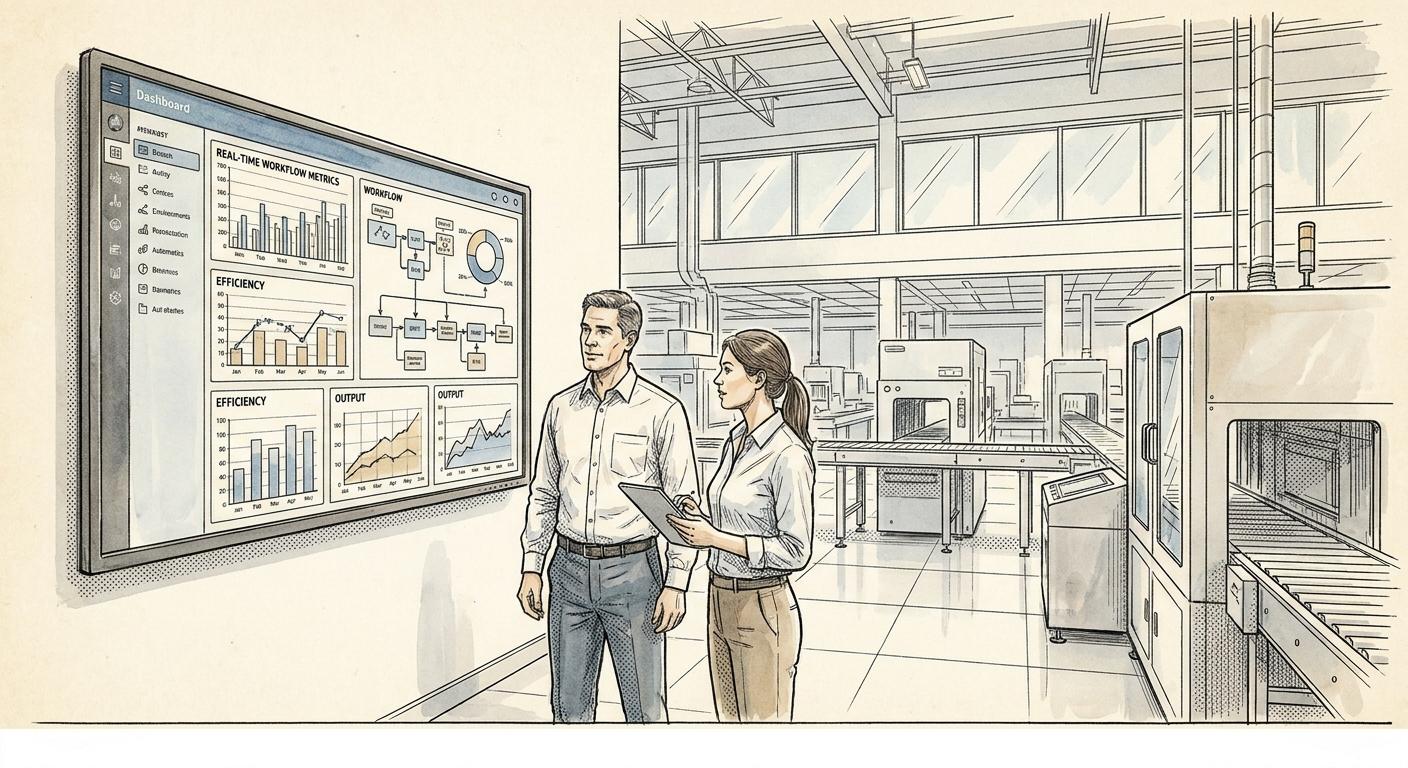
Track the operational metrics that reflect true leverage: time-to-merge, agent self-correction rates, human intervention frequency, and post-merge defect densities. If your developers spend more time fixing agent-generated hallucinations than they would have spent writing the code manually, your environment lacks adequate verification scaffolding.
4. Focus on capability transfer
Avoid third-party proprietary systems that obscure agent logic or leave your team dependent on external operators. Autonomous orchestration infrastructure should run within your security perimeter, integrated with your CI/CD pipelines, and fully understood by your internal engineering team.
Task automation saves minutes at the margins. Workflow orchestration permanently resets your delivery velocity and cost structure. Capturing that leverage requires building the operational guardrails, governance frameworks, and internal team capabilities necessary to supervise intelligent systems with confidence. To learn more about structuring your AI roadmap and enterprise engineering workflows for autonomous orchestration, reach out to our team of experts today.

Inna Dzhulai
Social Media Manager at iForAI